Three agency owners flew to a jungle in Central America with nothing but a suitcase and a vague sense that their businesses could be more. Five days later, all three had stopped doing the work that made them successful, started building things that scared them, and couldn’t stop talking about what they’d seen. One of them printed out a document I wrote for them and put it on his wall. Another updated their LinkedIn title to CEO before the plane landed. The third started interviewing executives in an industry they’d never worked in and, within a month, was sitting across from a chief design officer whose last company sold for $95M.
I built the thing that provoked many of those actions.
The Survey (2012–2025)
When I built my agency, I was fortunate to have worked at and collaborated with dozens of other agencies, so I remixed all the pieces I liked and left out all the pieces I didn’t to form my own. Similarly, I’ve spoken at and attended hundreds of conferences, workshops, and industry events in my career, and I’d slowly be compiling the “if I ever ran my own event” list in my head for years now.
In my program, we cover topics like pricing, positioning, lead gen, sales, and similar topics every week, but I was starting to notice a trend with some of the students who had been building their agencies for a few years and starting to find real traction. They were showing mastery in their craft and industry but gaps in leadership, executive function, and vision, things that are a bit tougher to work on in 90-minute weekly chunks or ad hoc office hours sessions. Noticing this week after week helped me see that I need different vehicles to help my students with different areas of growth. Perhaps there was a way to engage at a deeper level.
Also, pragmatically, not every student needed this. It’s not very beneficial for an agency owner who hasn’t even decided who their target customer is to think long-term about the future of their agency. That’s why vision setting isn’t a part of our core curriculum. I think of it as an advanced-level topic.
I decided to help the students who were ready for it craft 10-year visions for their agencies. It’s something that I didn’t have for my own agency, so I remember the moment of shock I had when planning the 10-year anniversary party and realizing I had no intention of ever getting here. I was determined to help my students design their agency’s end more intentionally than I did mine.
The Bearing (January–December 2025)
For the last year and a half, I’ve been running a coaching program called Make More Money for agency owners scaling from $100k toward $1M. It’s some of the best work I’ve done in my career. But Zoom is only good for some kinds of work. At some point, deep collaborative work requires a different kind of proximity than “let’s hop on a call.”
So I built The Summit: an invitation-only, 5-day working retreat for the students who had made the most progress and were ready for the biggest leaps. It wasn’t a conference. There would be no keynote speakers, conference badges, or networking happy hours. Just deep, focused, personalized work in a place beautiful enough to make you think differently.
I thought the event could accommodate 5 students. I invited 13 who met the criteria: they had to be making at least $250K/year and building for more than 2 years.
Three people earned their way in: Gabby Mérite of Figures & Figures, Benten Woodring of NOOON, and Joey Banks of Baseline Design. They said yes immediately, wired the money, and booked their flights.
One big idea drove the event design. I took it from one of my favorite books—The Vision Driven Leader by Michael Hyatt—which I included in the welcome kit for every attendee:
The future doesn’t happen in the present.
I’ve seen this ring true personally many times. It’s tough to craft a long-term vision at the same desk where you’re responding to website QA tickets. The context switch is too tough. If I was going to help my students see their futures, I knew I had to get them out of their element both mentally and physically.
The Approach (January 2026)
I started designing the itinerary the same way I approach writing a talk, planning a workshop, or scoping a project: with the narrative arc. What do I want the story of this experience to be?
One thing I knew for sure was that I wanted to set the tone very quickly that something very different would be happening here, something that would require hard work and a clear mind.
I mapped Freytag’s pyramid to the 6 days we would be there and came up with themes for each day:
- Basecamp
- The Trailhead
- The Ascent
- The Ridge
- The Summit
- The Descent
My team and I started by making a list of dream venues that would lend itself to this rhythm. As traveling to incredible places in the world is part of my full life, I’m constantly on the lookout for them and have multiple lists of candidates I come across. We looked at venues in St. Lucia, Guatemala, Turks & Caicos, Costa Rica, the Grenadines, the American desert and coasts, the midwest wilderness, and more. I wanted somewhere remote enough that checking email was a bit inconvenient, beautiful enough to shake you out of your normal thinking patterns, boring enough to encourage you to spend time with yourself, affordable enough that everything you needed was taken care of, and available enough to book with a few months’ notice.
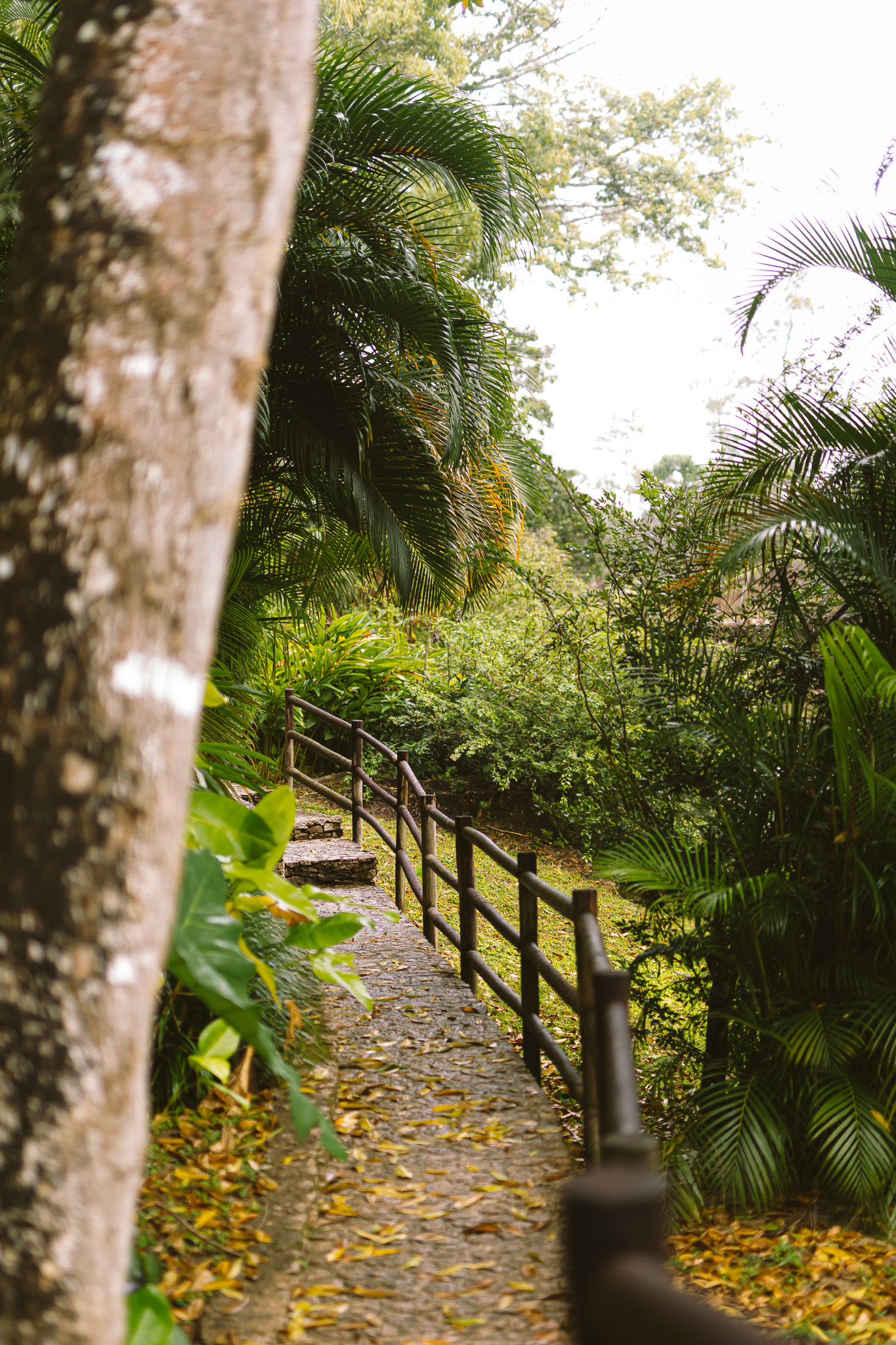
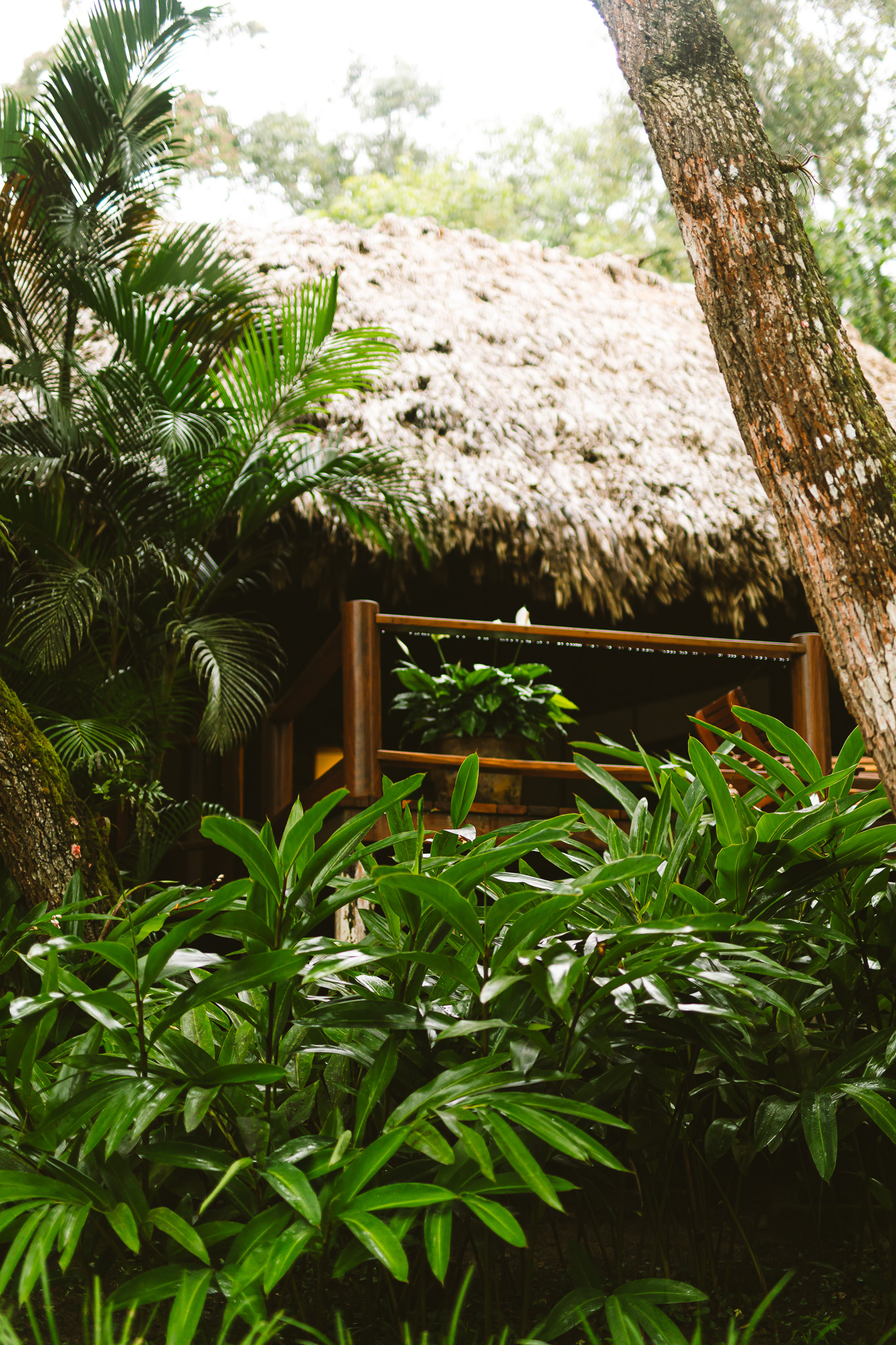
Blancaneaux Lodge in Belize hit every mark. It’s The Godfather director Francis Ford Coppola’s private resort in the Mountain Pine Ridge Forest Reserve, 1,600 feet up in the jungle, a 2-hour drive from the nearest airport on paved roads that cut through different parts of the country. It’s a 20-room hideaway featuring a creek with natural swimming holes, no AC, no TV, and the kind of quiet that rewires how you think. Coppola bought it because he felt the back-to-nature setting was the ideal place to write. It was exactly what I was looking for.
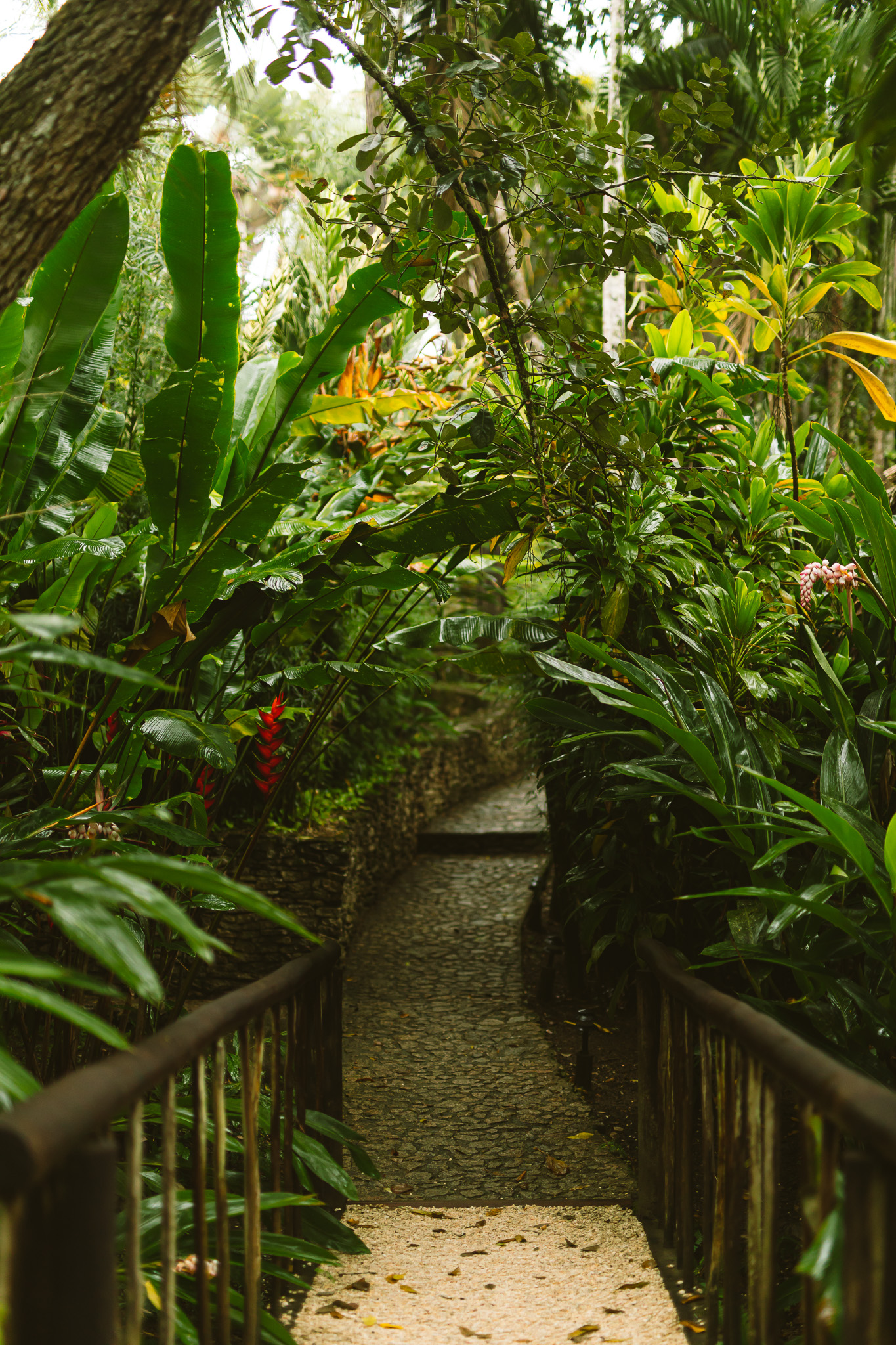
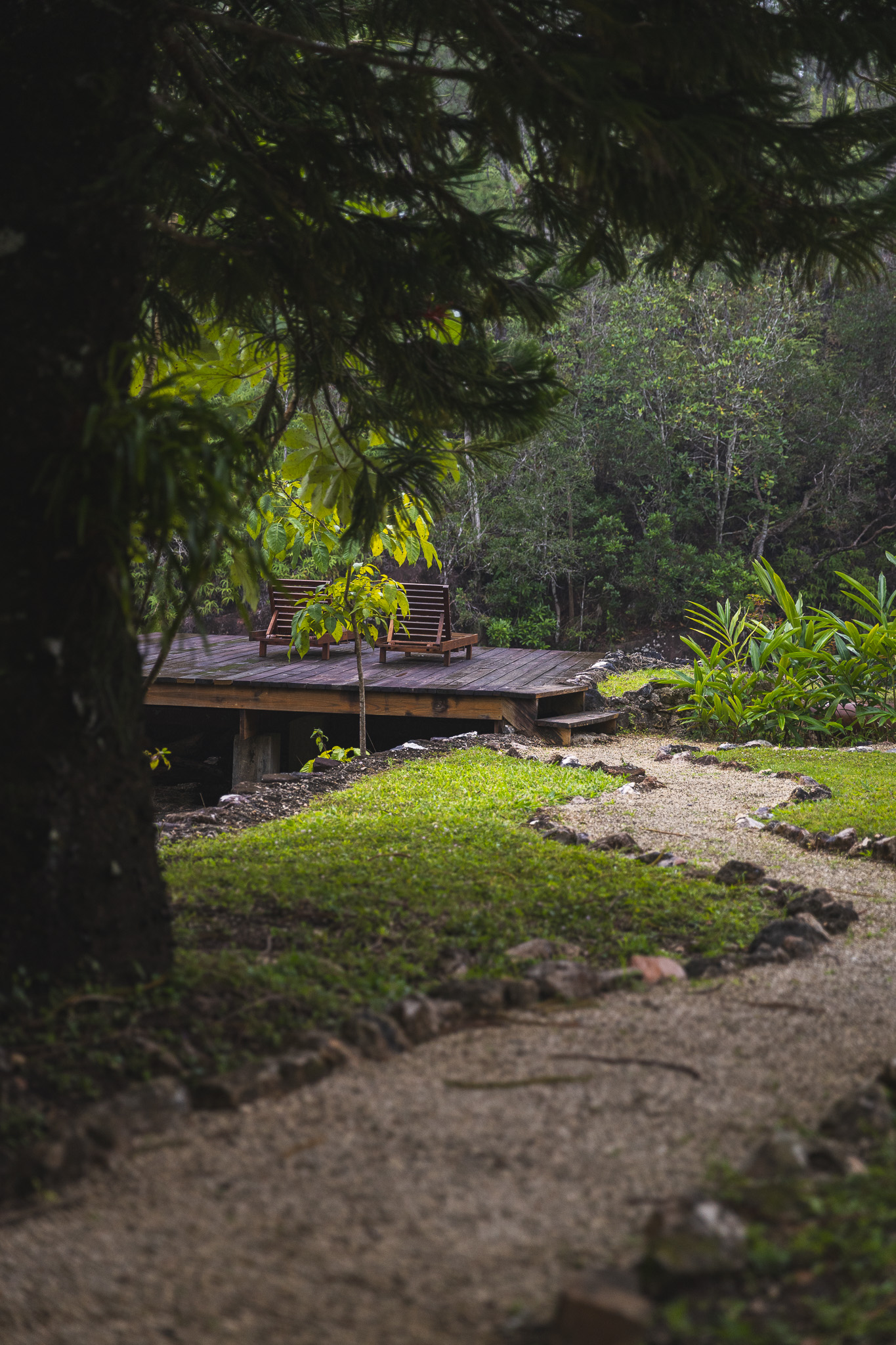
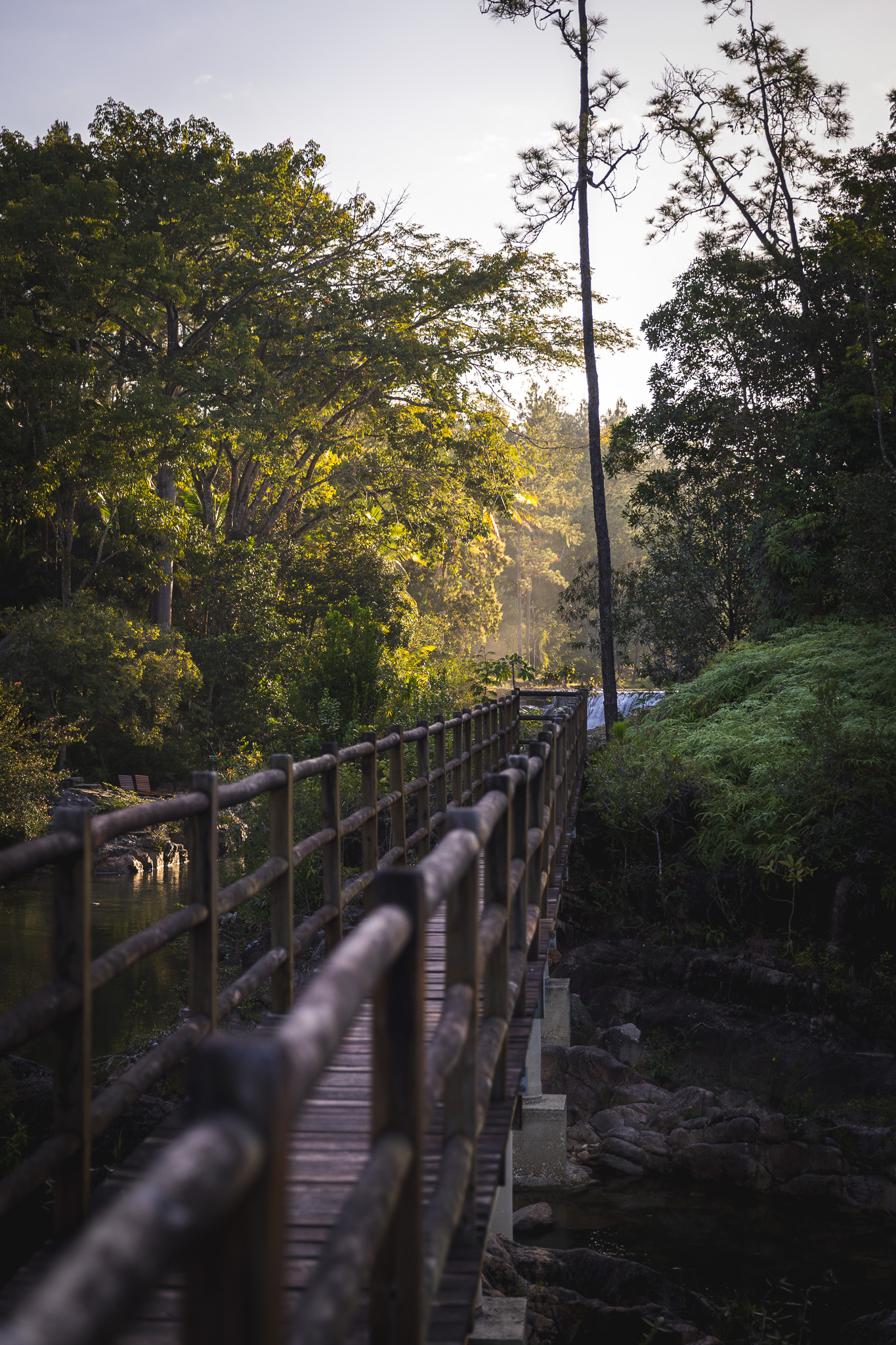
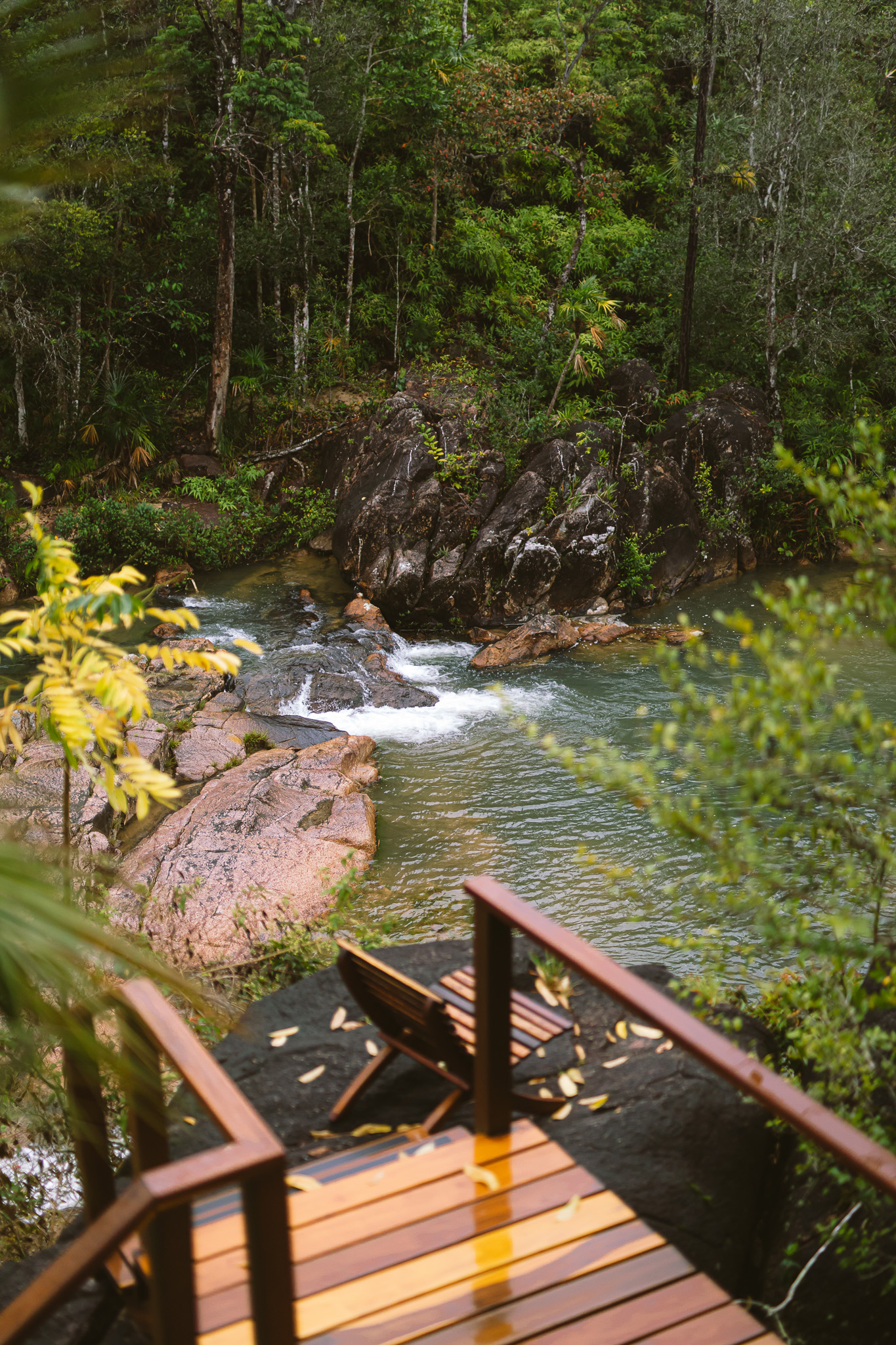
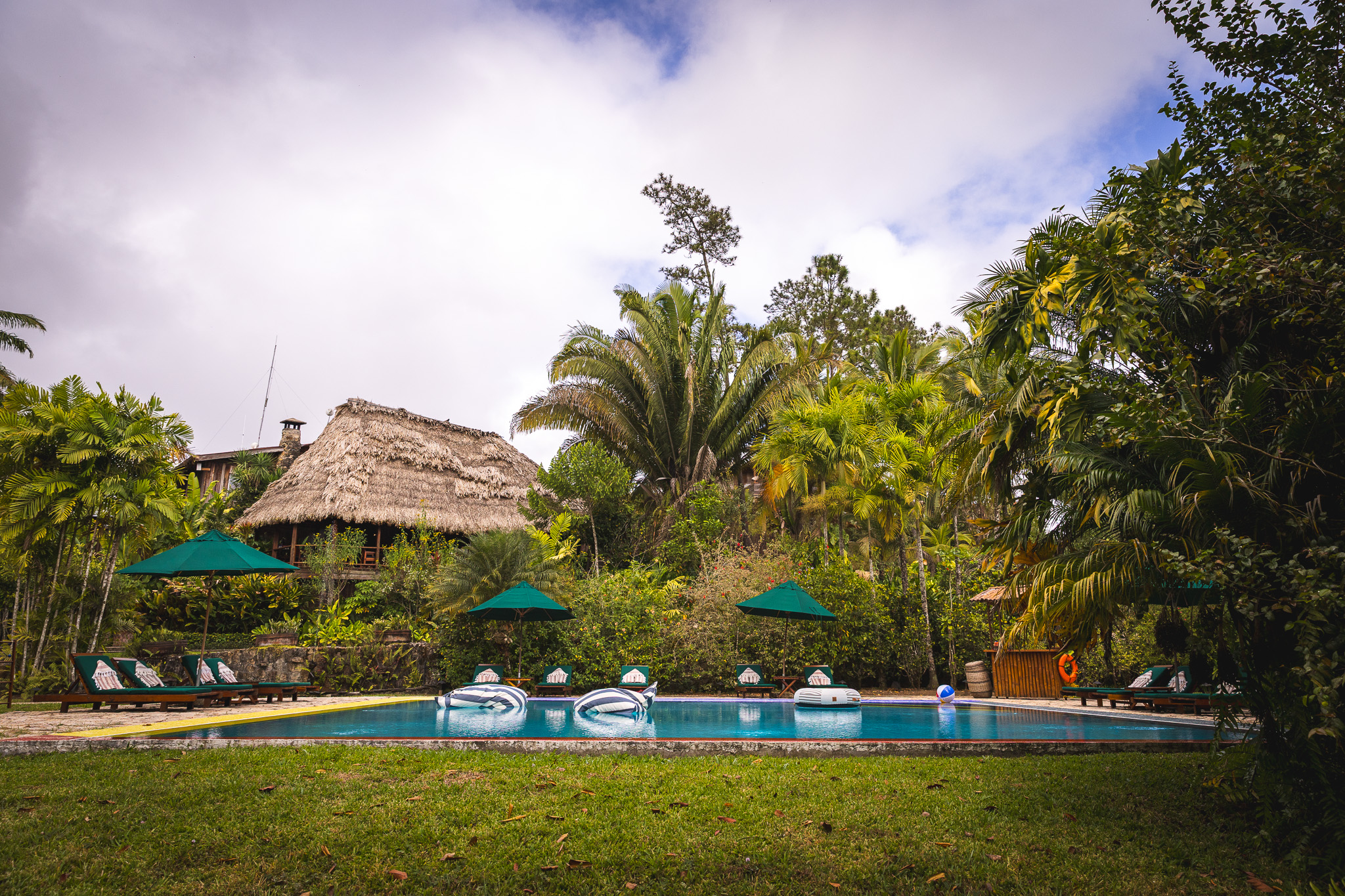
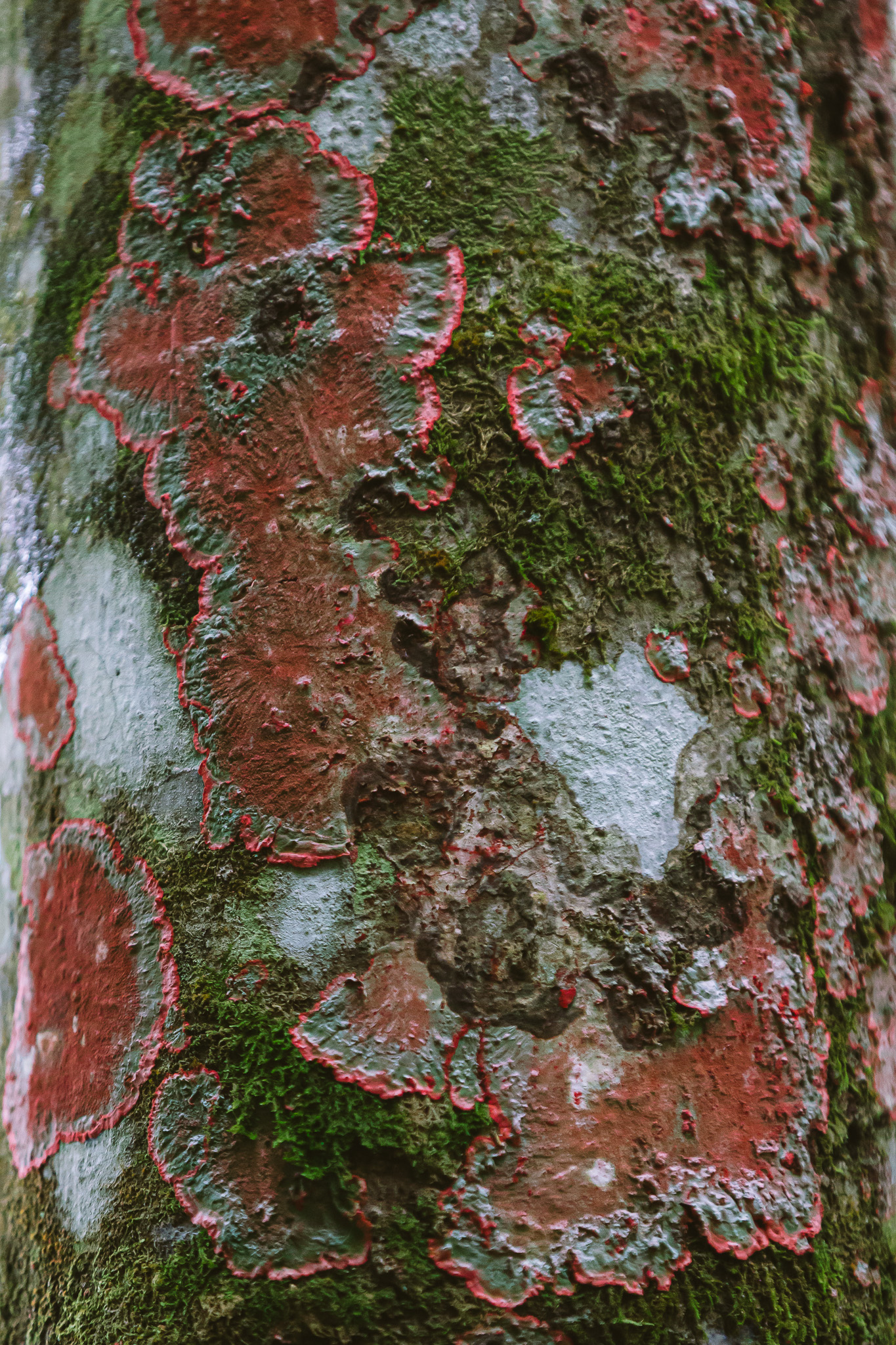
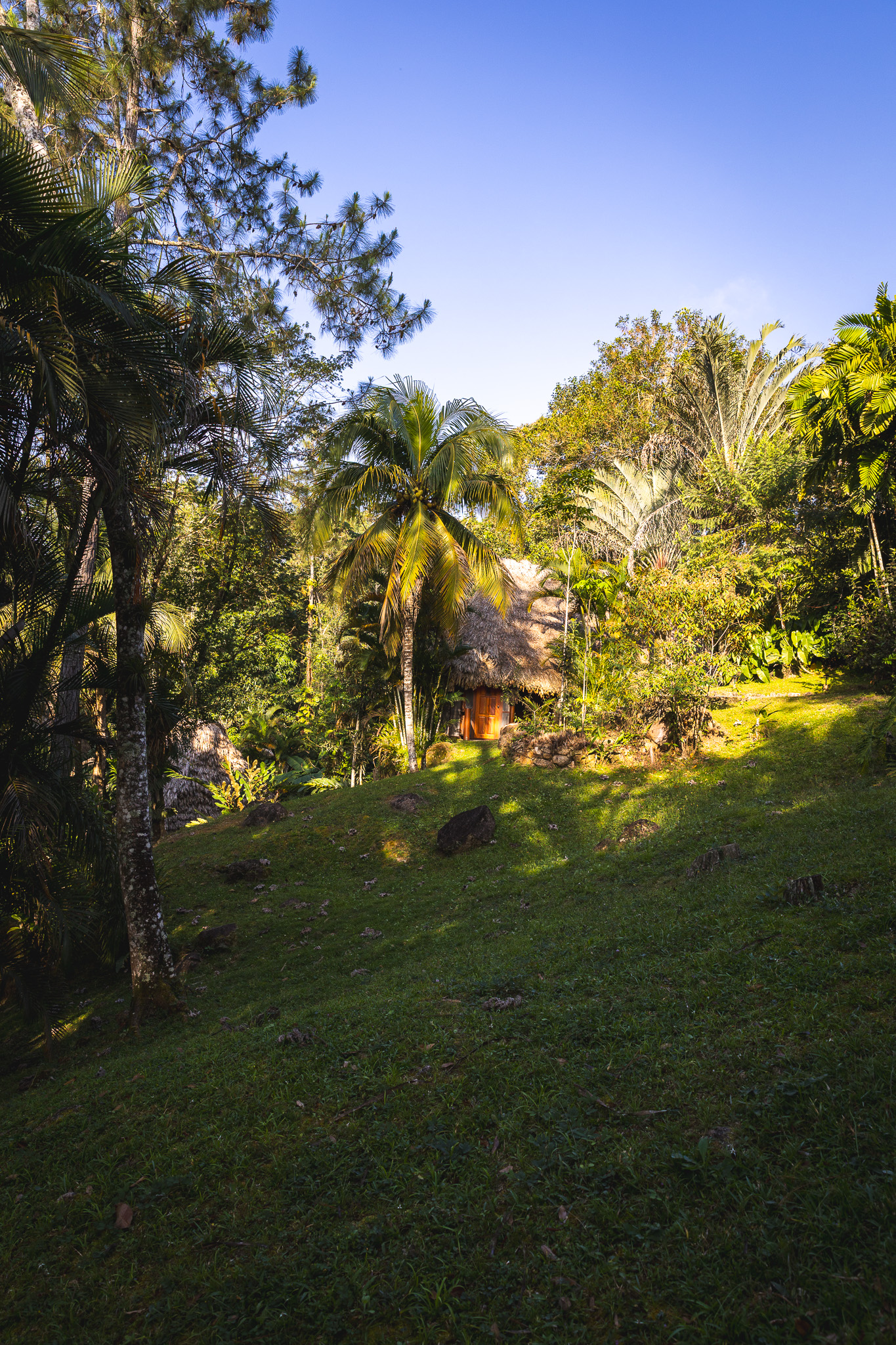
Em and I decided to spend a long weekend there, for research and scouting purposes, of course. (It also just so happened to fall on my birthday.) Em has a sense for how people feel in a space that I don’t. I typically evaluate logistics; she evaluates whether you can relax here.
We checked out the rooms, ate at all the restaurants, hiked the nearby trails, and met with the concierge about what was possible for a private group. I’m glad we went in person. The dwellings are open-air cabanas with thatched roofs and screened windows. You sleep in and with the jungle. You go to bed listening to the creek, the birds, and the insects. Especially knowing that there were no room air conditioners in a tropical Central American country, we only brought shorts and tank tops.
That was a mistake.
Yes, Belize is hot, but we were in the mountains of the jungle. The nights got cold. To top it off, the days we went just happened to be the coldest days on record in Belize’s history as a cold snap rolled in. The nights dropped down to 40ºF, and even sleeping under 4 blankets wearing every piece of clothing we brought wasn’t enough as we requested a space heater and still shivered ourselves to sleep. Still, we knew that we could tell our guests to pack accordingly and that this would be a great place for The Summit.
We locked in the dates with the reservation staff.
Prep (Day 1: Saturday, February 21)
We arrived the day before everyone else to settle in and have a day of calm and quiet before I had to be on for the next 5 days.
This time around, we booked Francis Ford Coppola’s personal villa, a two-bedroom open-living plan dwelling with a private plunge pool. This turned out to be a great decision as we spent a lot of time workshopping as a group in various spaces around this villa.
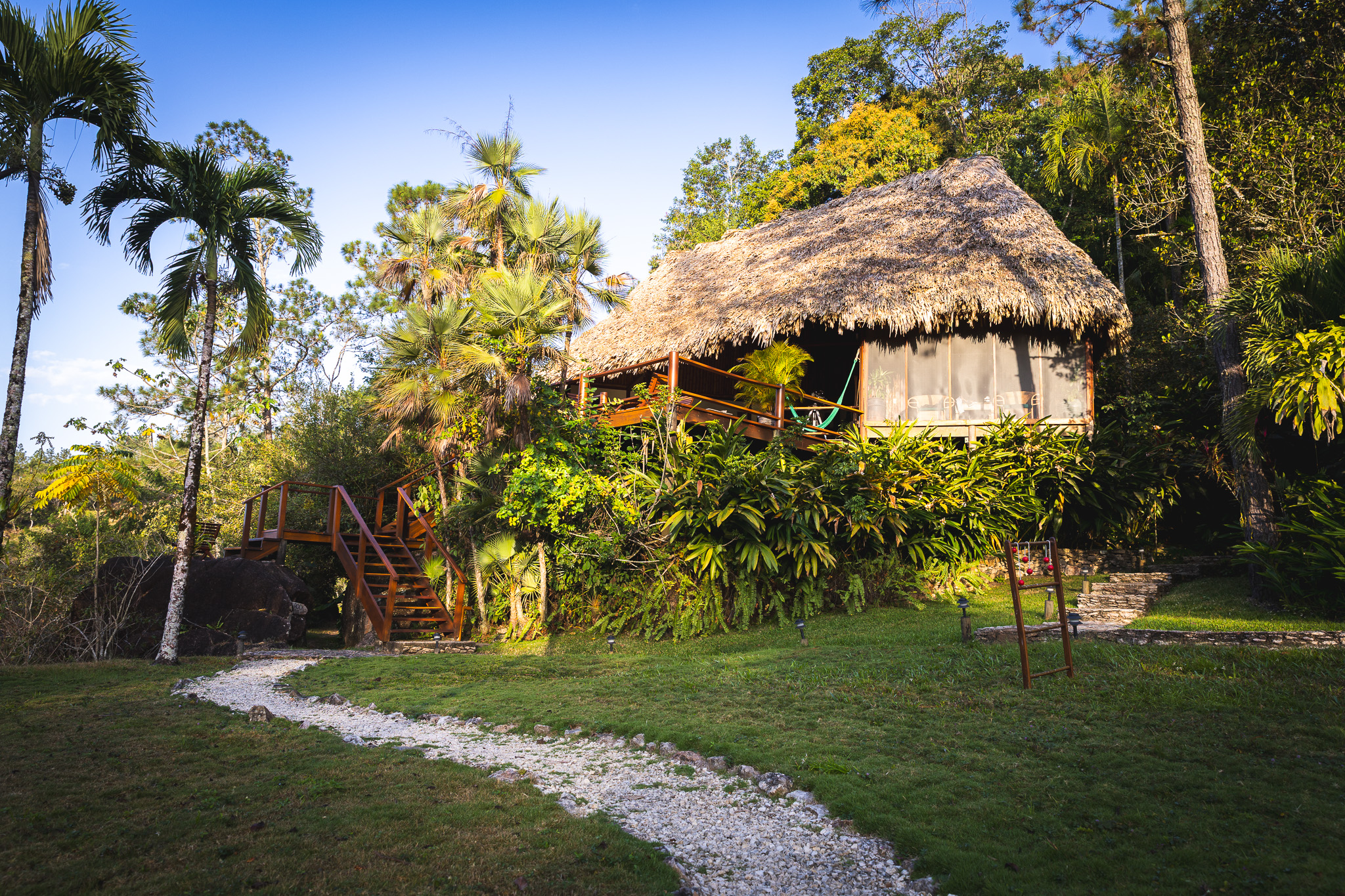
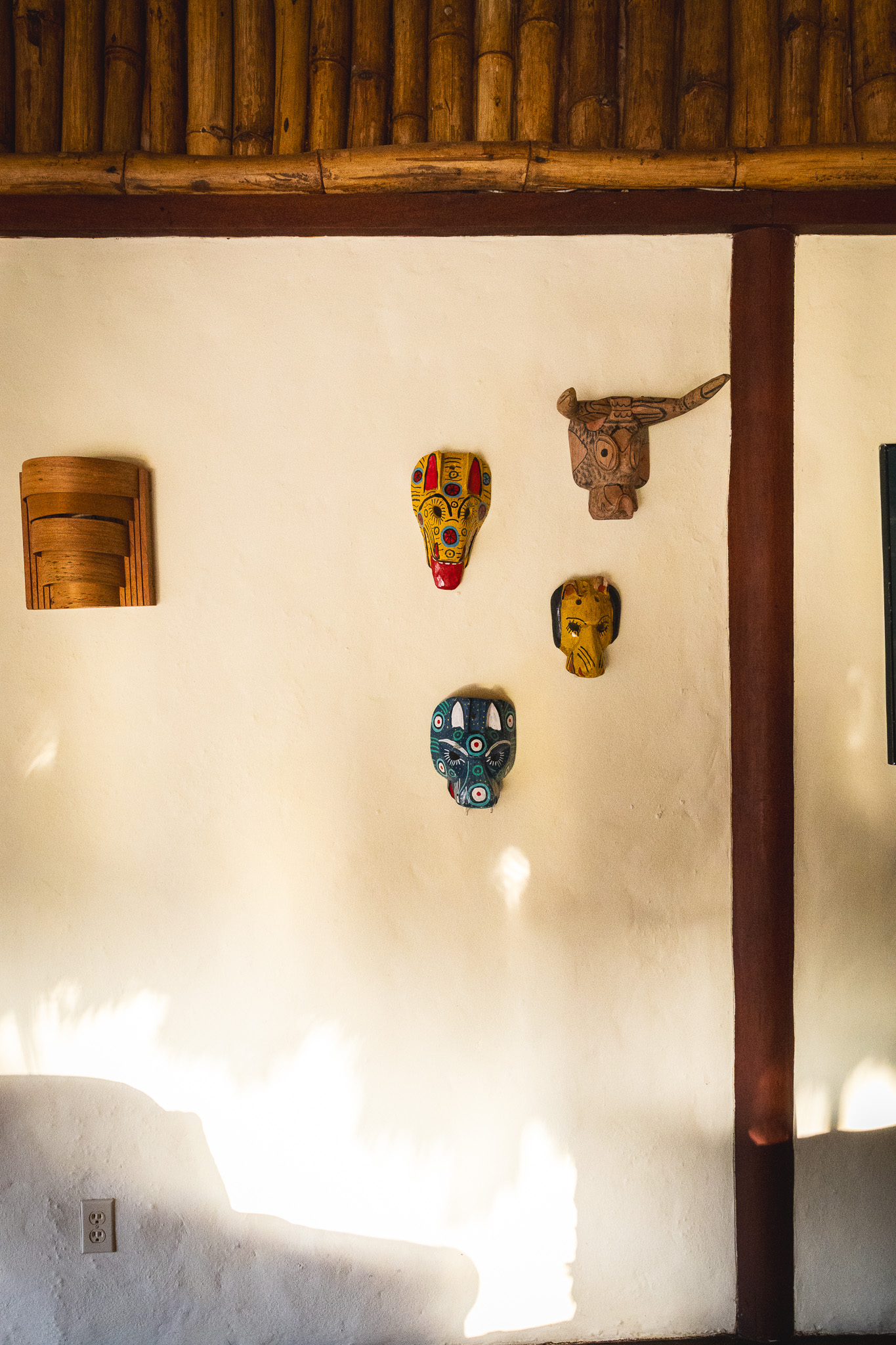
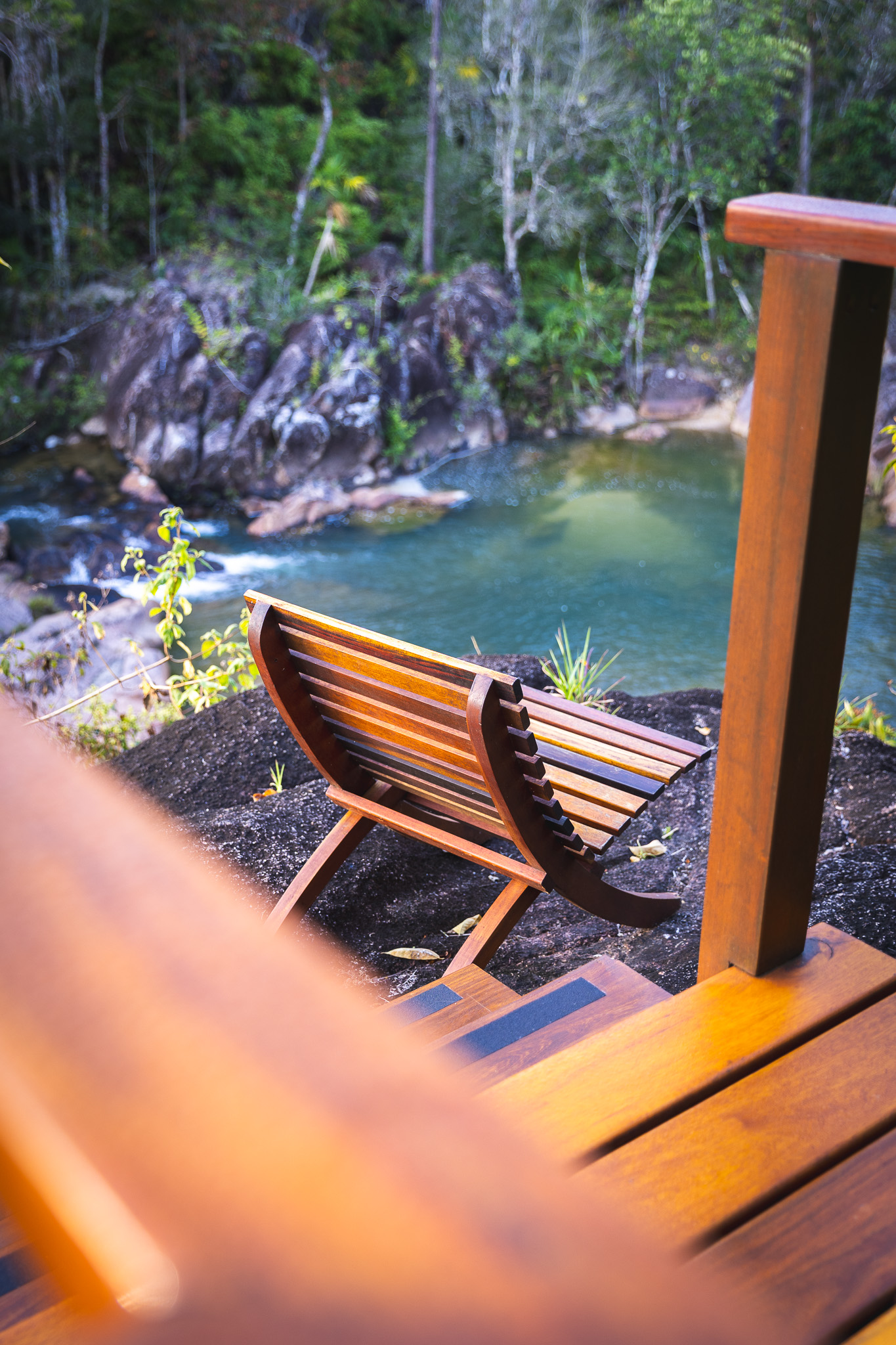
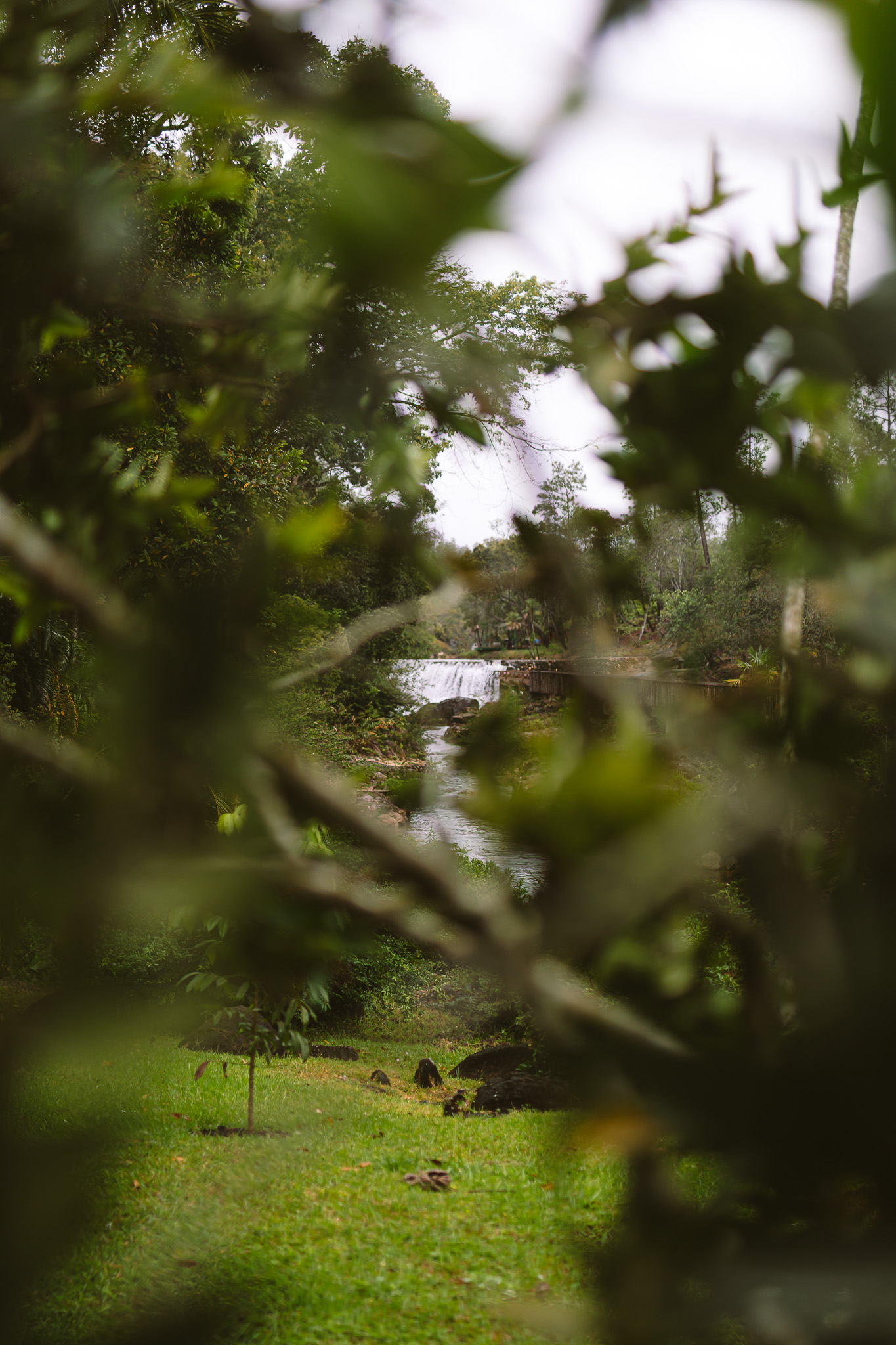
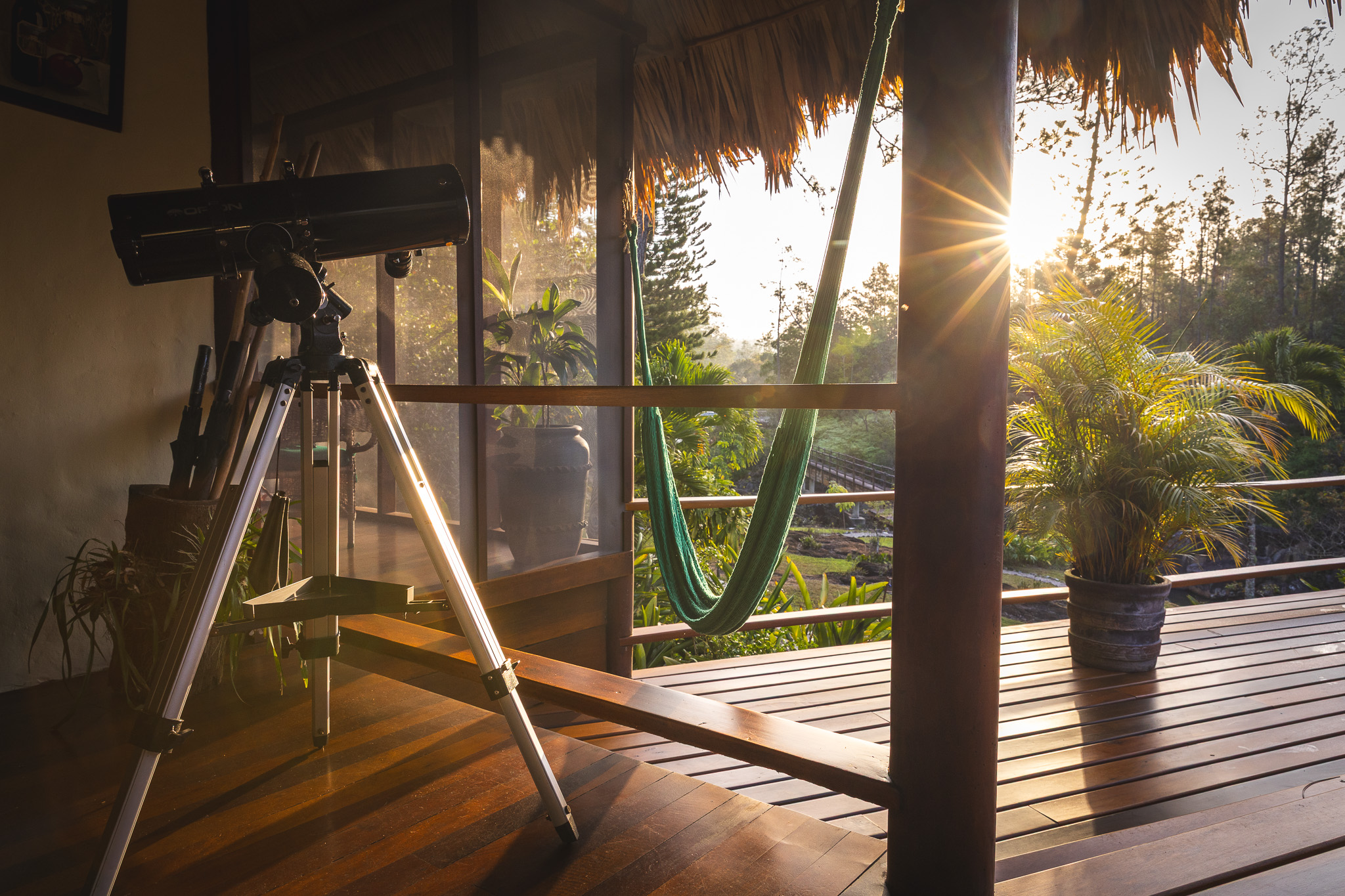
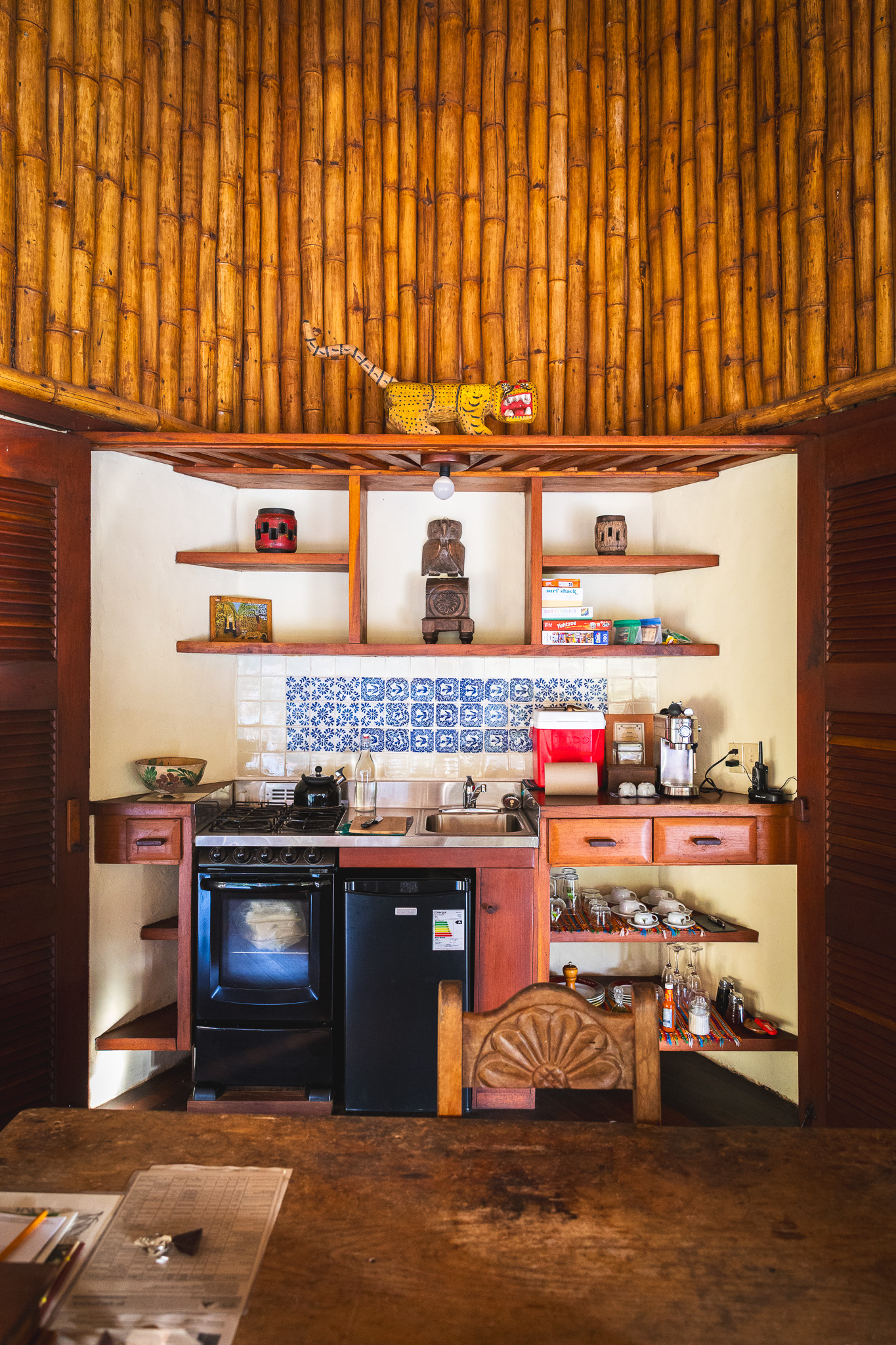
Another amazing benefit of staying in the Francis Ford Coppola villa is that it comes with a full-time attendant, the same one that attends to Coppola when he comes to stay. I’m generally not one who likes to be waited on as I find it more annoying than helpful most times, but Osmani was incredible. More about him later.
When we arrived, we unpacked and got full body massages. It was the first massage I had where I got walked on. I thought I was going to snap in half. It was awesome.
That night was the last quiet one for a while. The next five days would belong to everyone else.
Basecamp (Day 1: Sunday, February 22)
Em, Osmani, and I spent the morning prepping and setting up the welcome kits for each person. We’d be working hard over the week, and we needed the right supplies to keep the friction low and the ideas flowing.
First, supplies that take care of the body:
- A black Hydroflask to stay hydrated with a custom “Destination begins with desire” sticker on it
- Earplugs for blocking out jungle sounds at night
- Eyemask
- Sawyer Picaridin Insect Repellent Spray
- Make More Money branded shirts with a custom quote for each person based on their area of growth
Then the mind:
- Each person got a copy of:
- The Vision Driven Leader by Michael Hyatt
- The War of Art by Stephen Pressfield
- Each person also got a book I hand-picked for them and a few notes and quotes I highlighted.
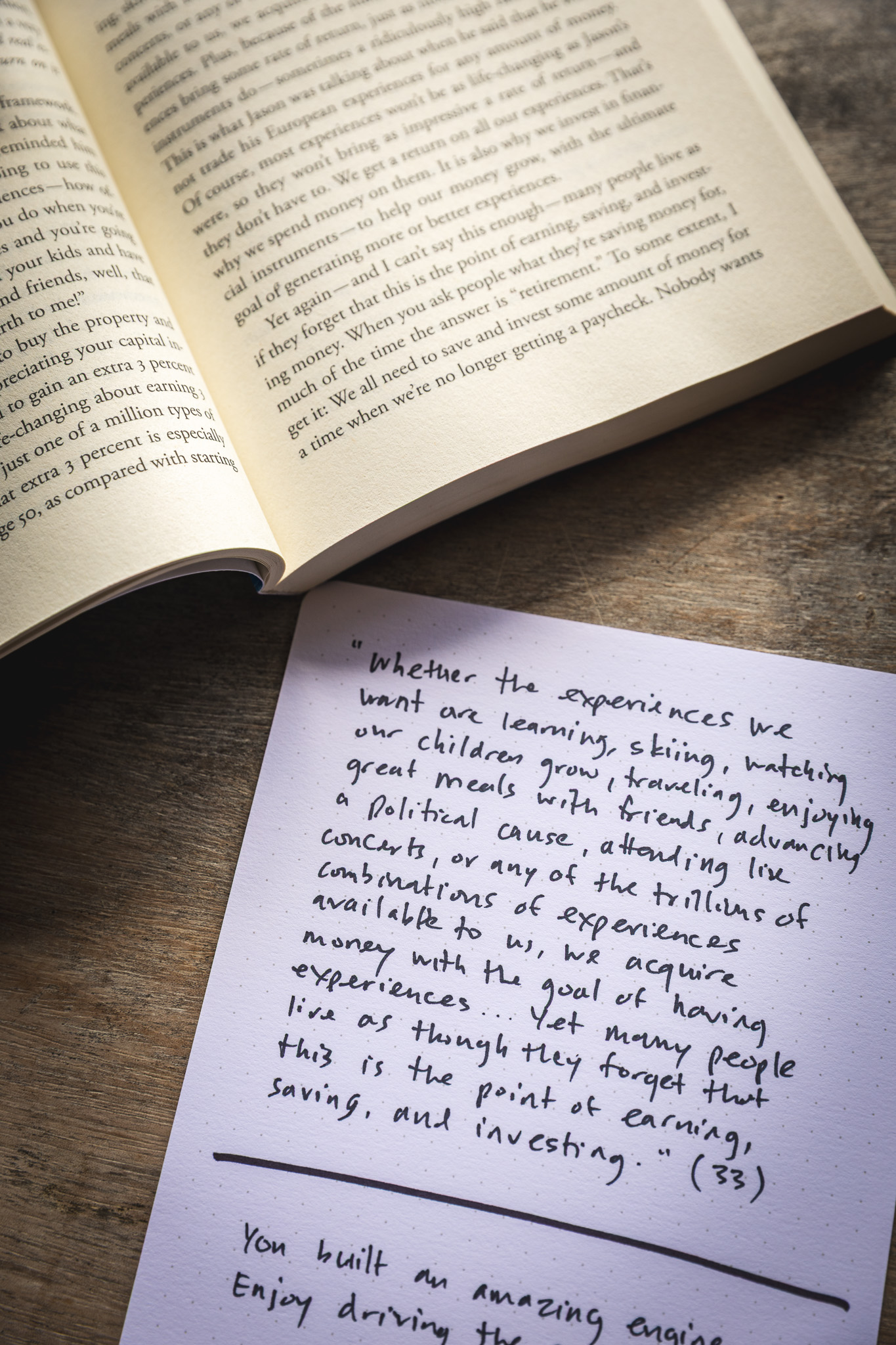
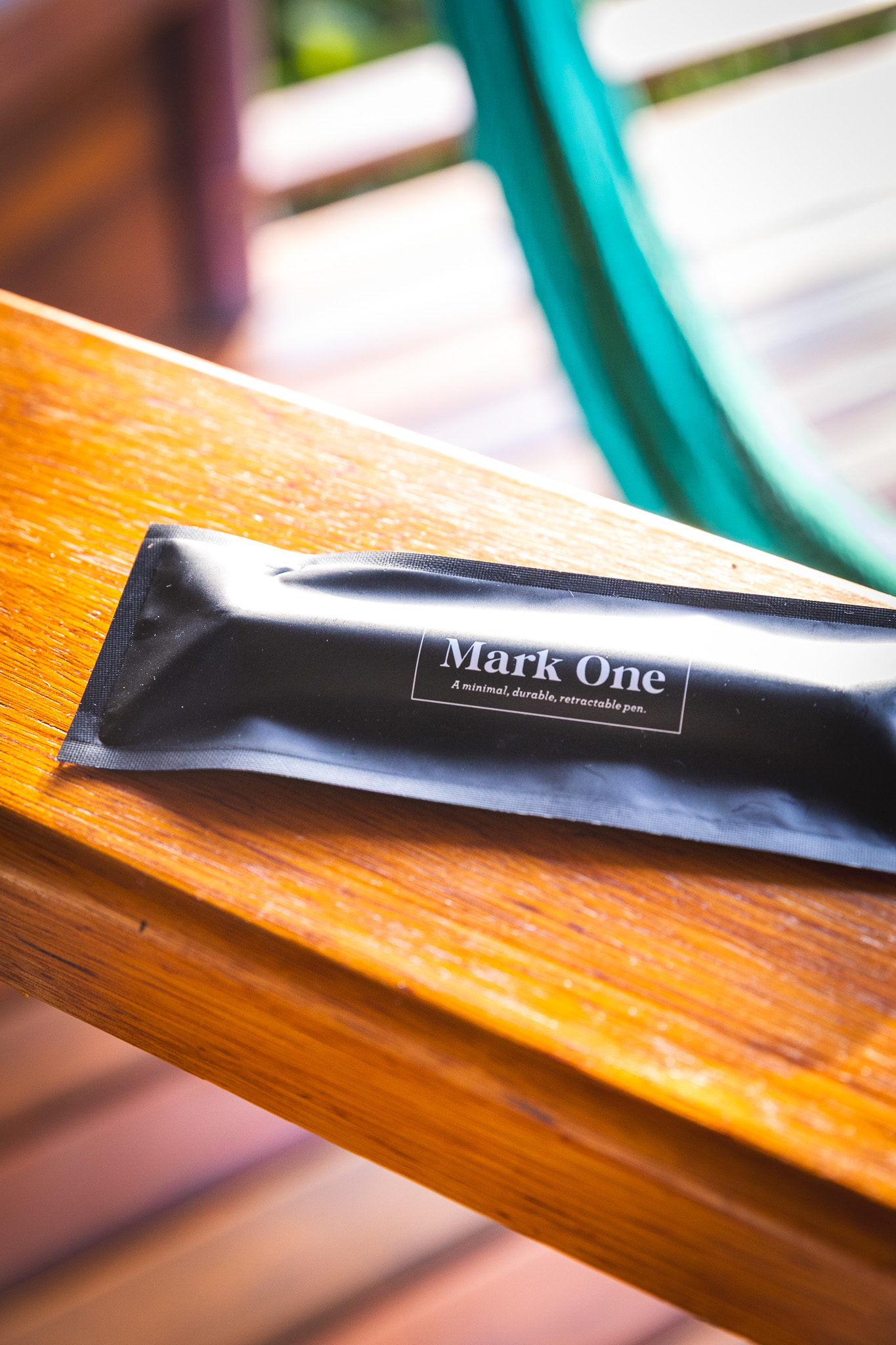
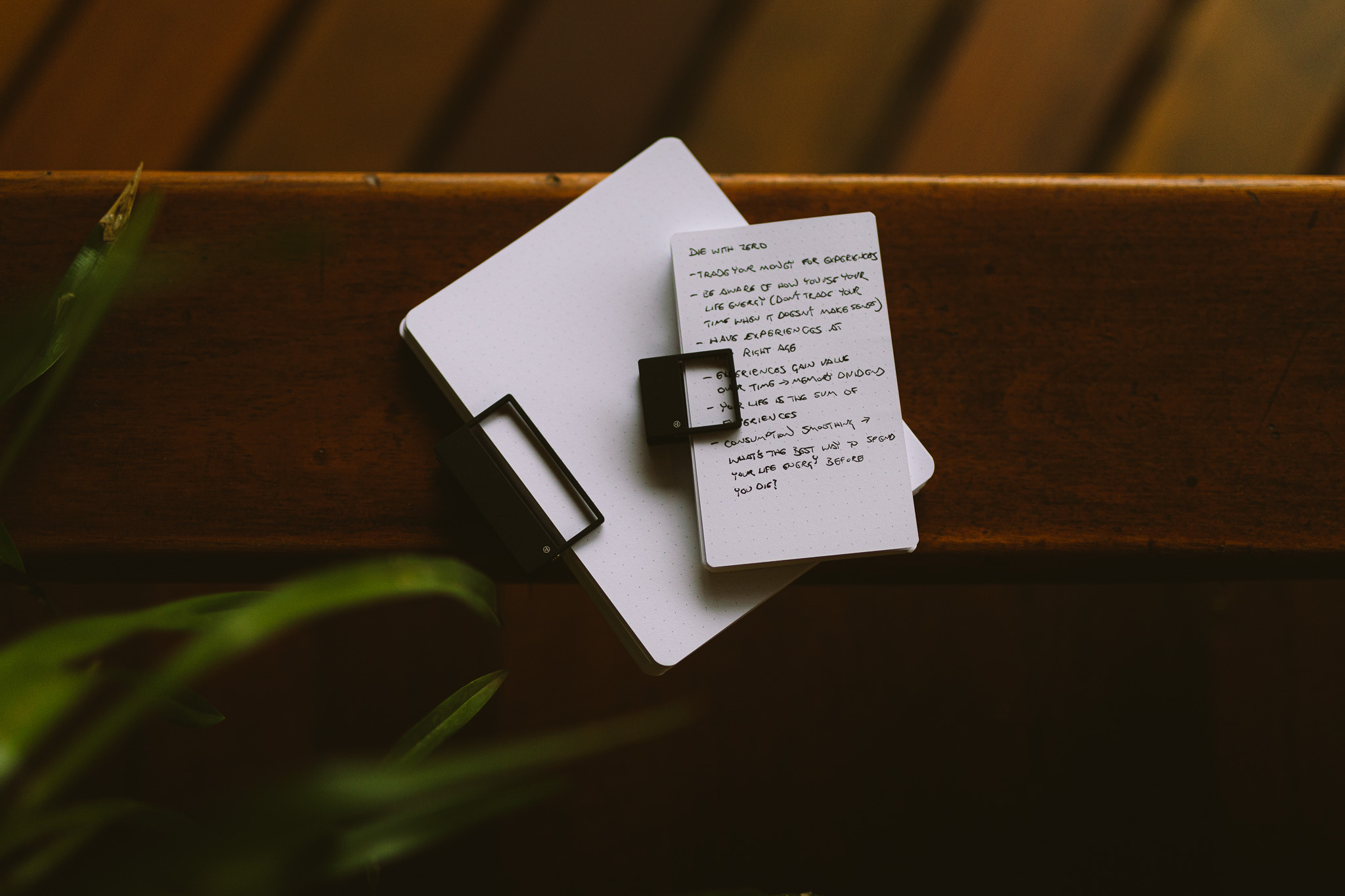
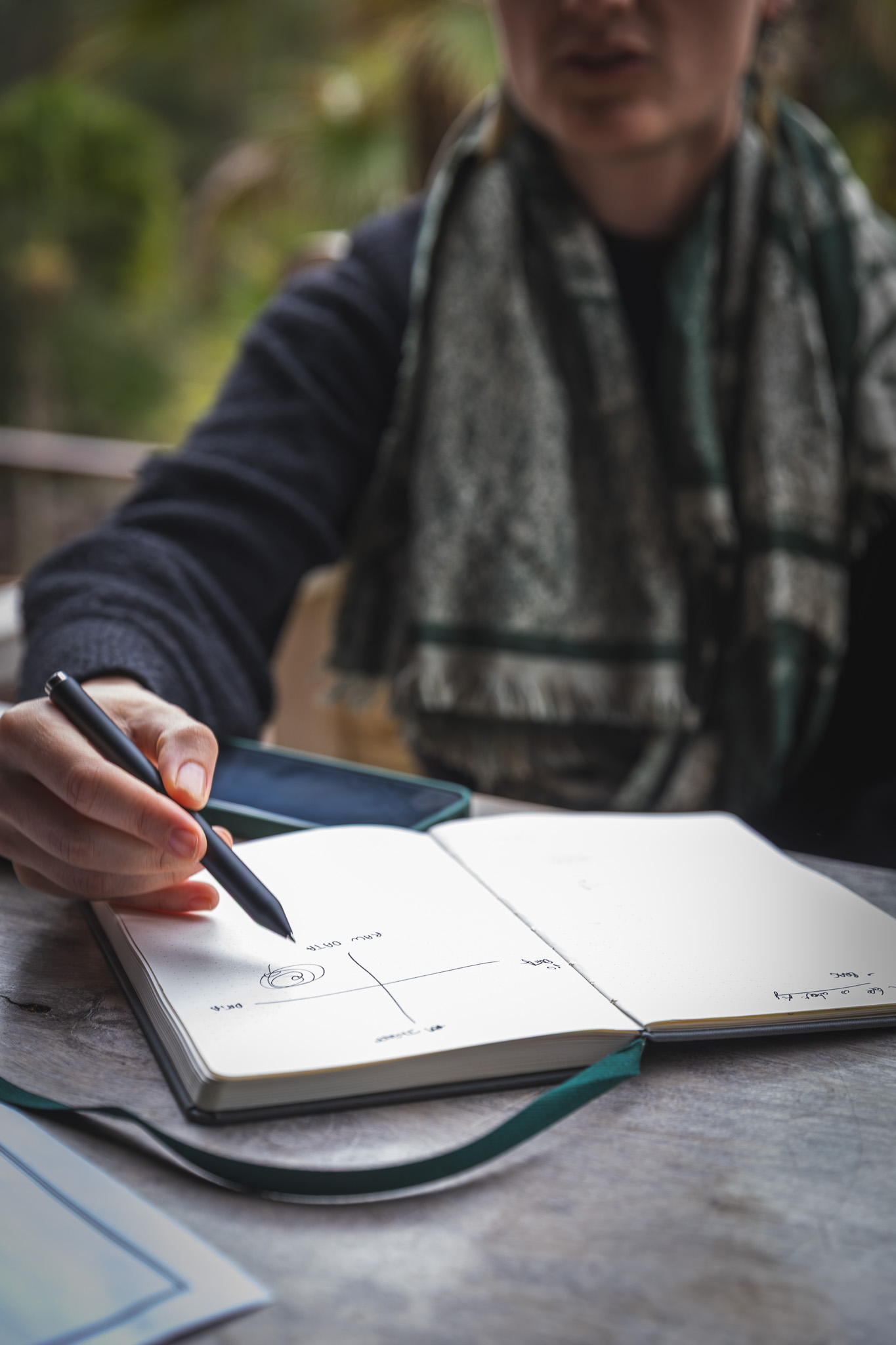
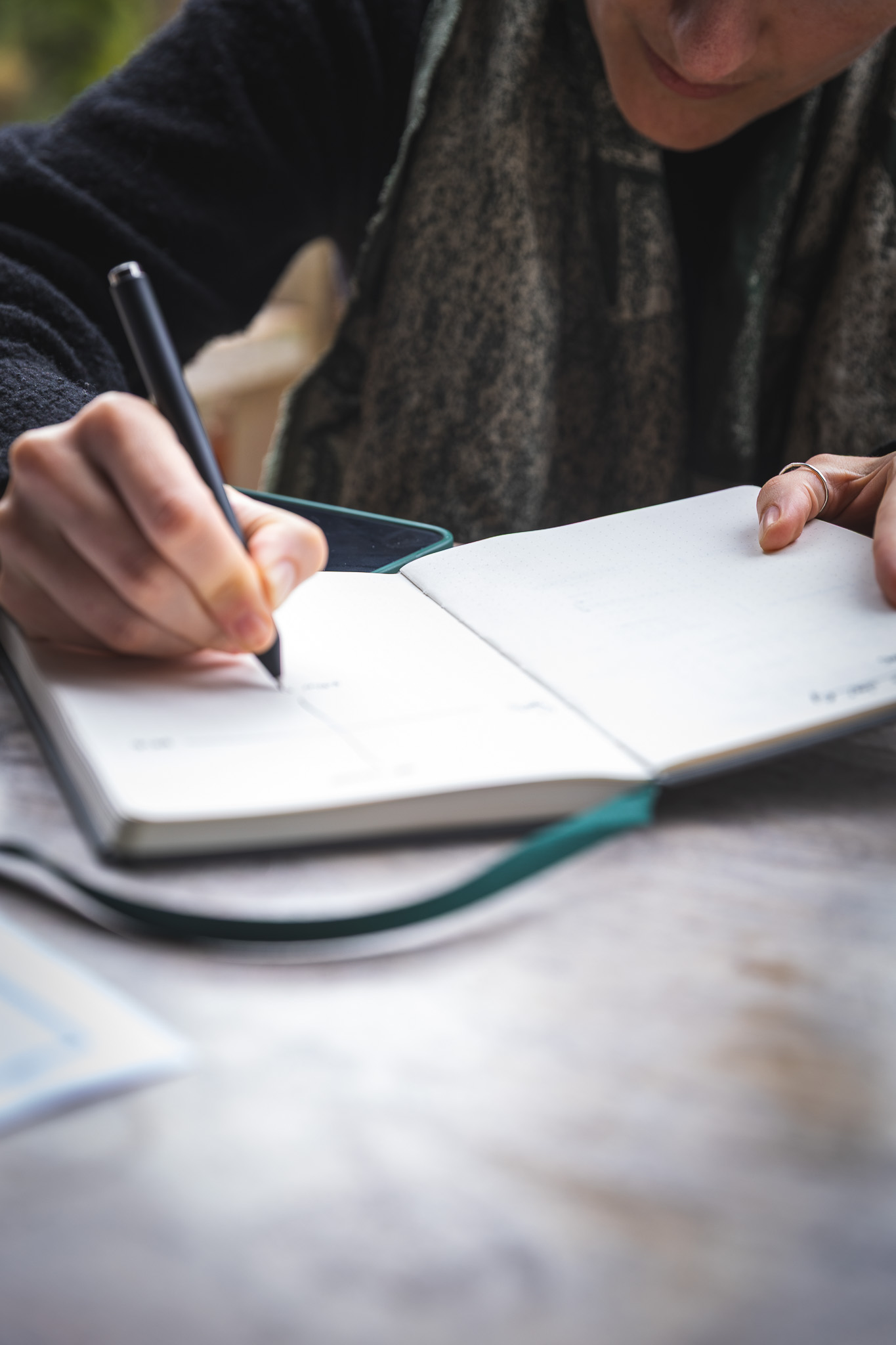
And finally, I called in some reinforcements from some friends to help us capture ideas at the highest quality. The fine folks at Studio Neat sent us some beautiful Mark Ones, Keepbooks, and Panobooks to capture ideas. Jeff from Ugmonk sent an assortment of Analog Cards of all shapes and sizes to be able to think spatially and HMM clips to keep them together. And our friends at Raen sent us some shades so we could look and feel cool while working hard.
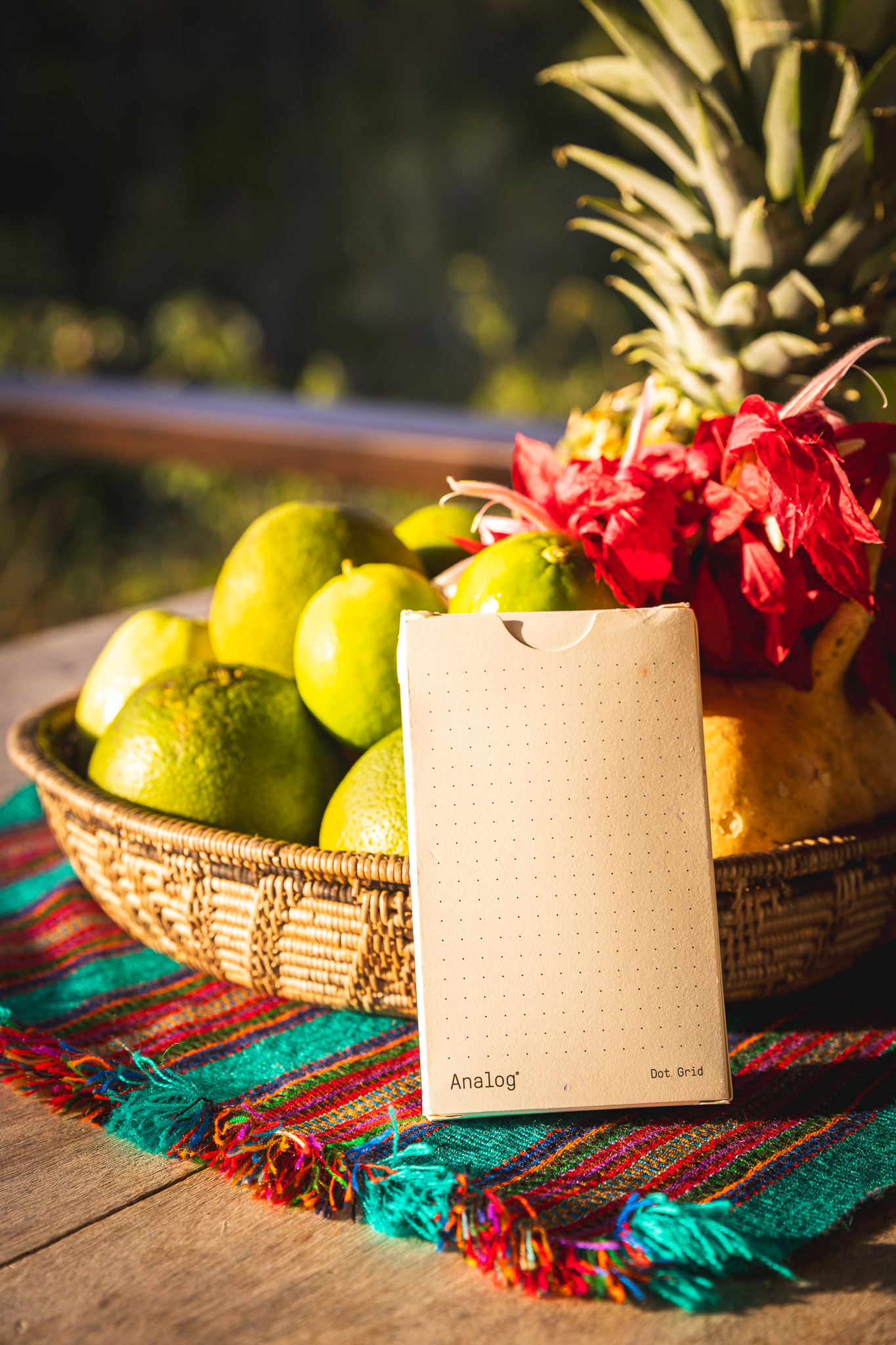
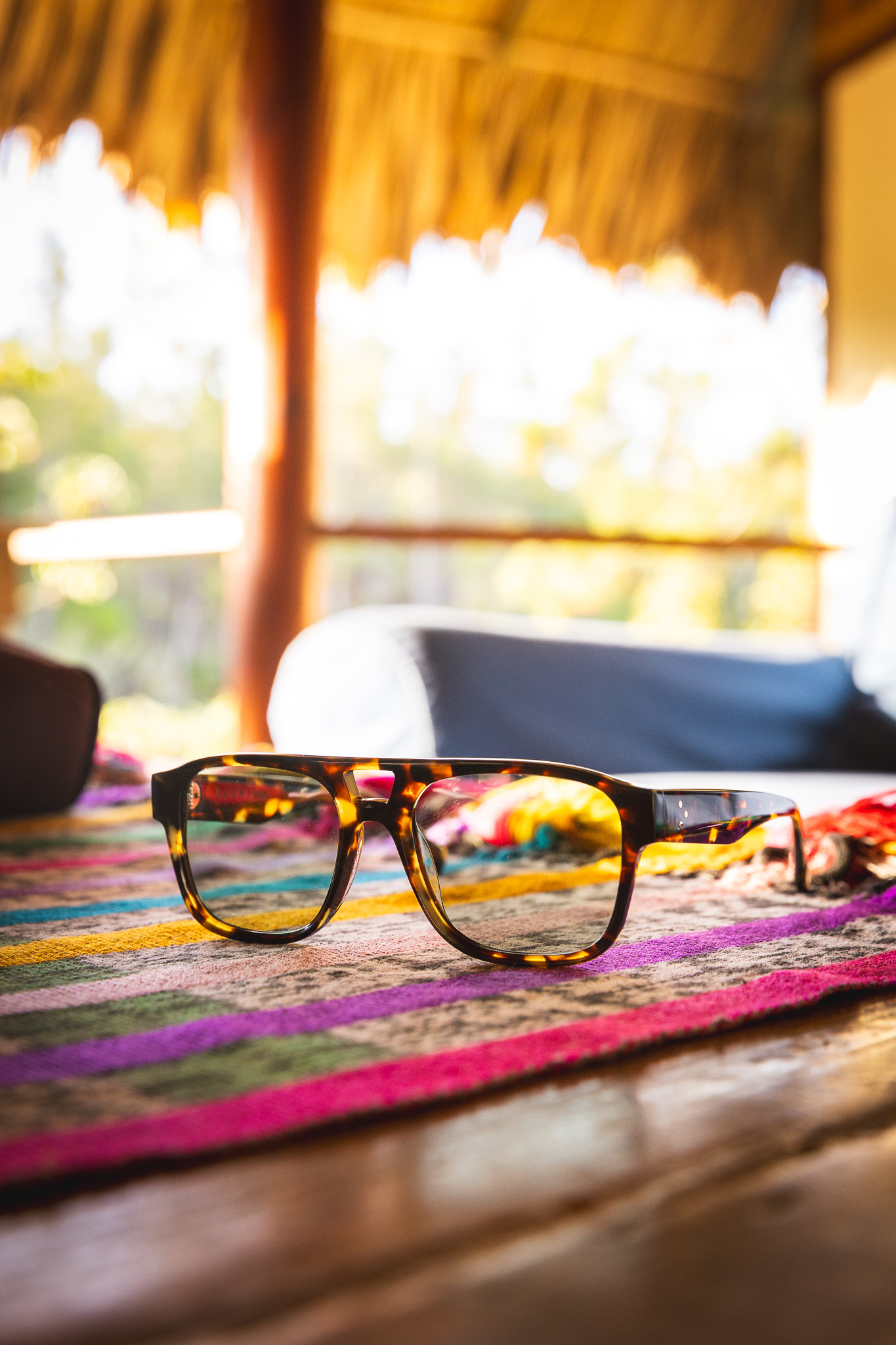
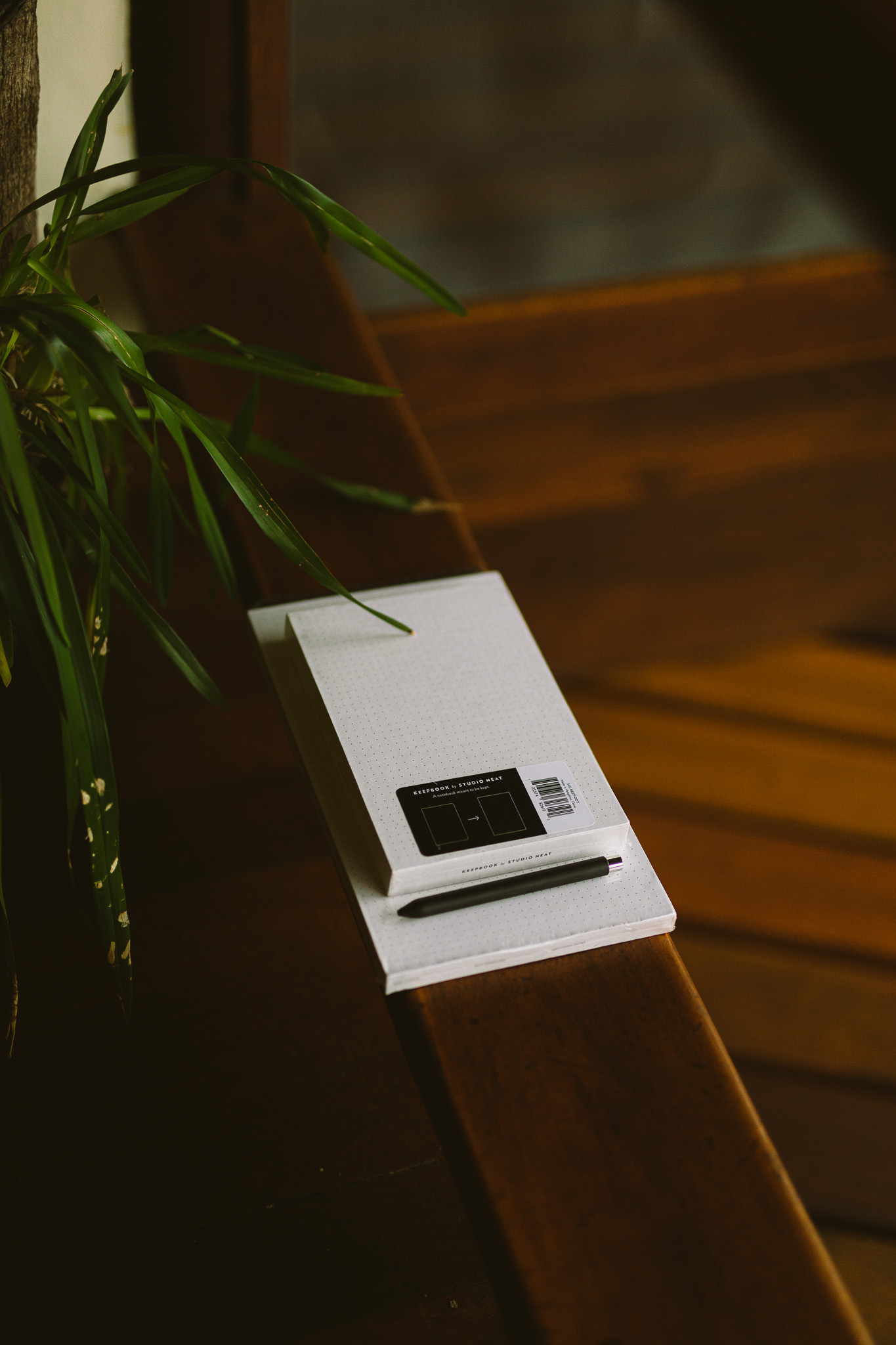
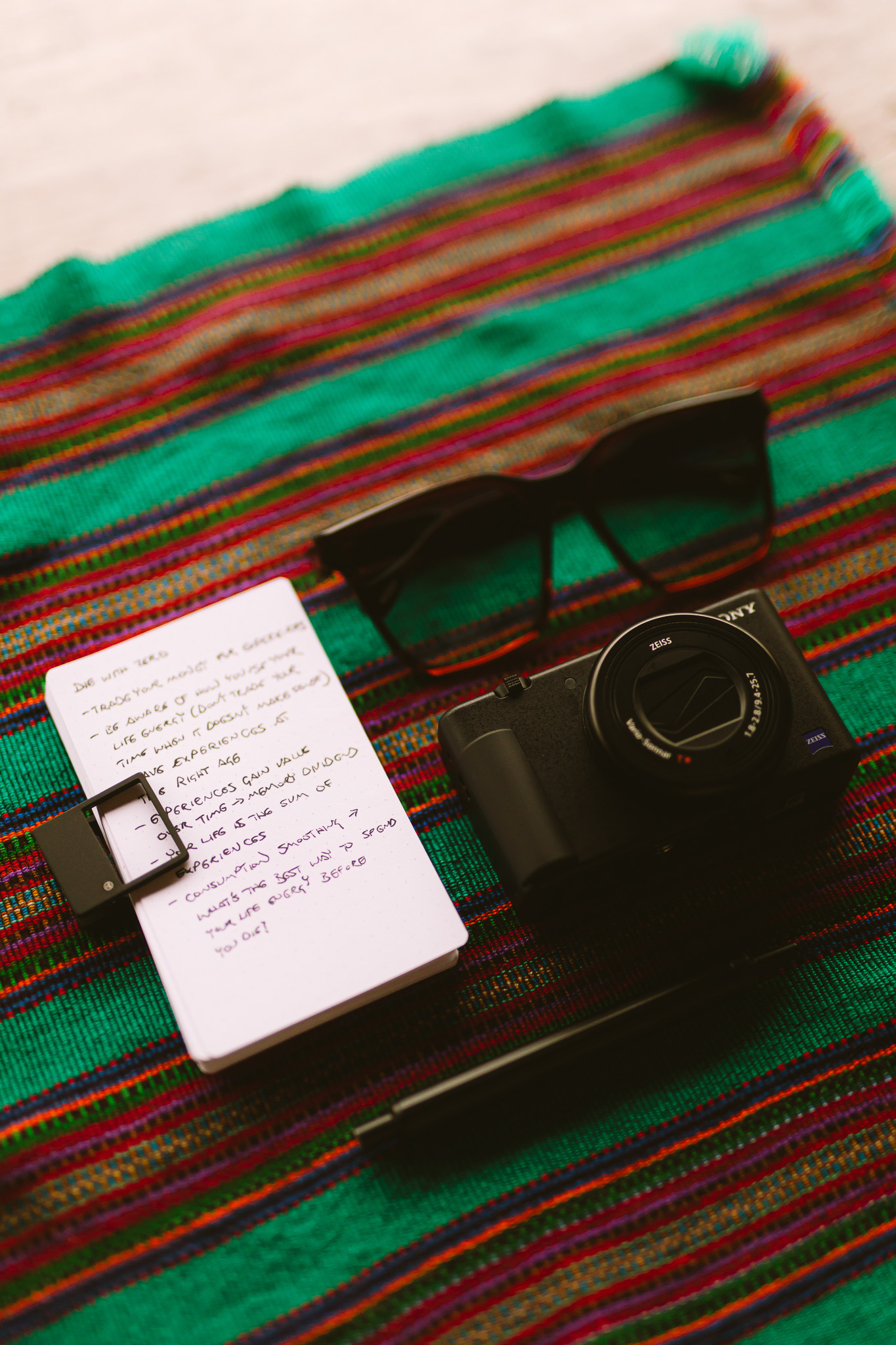
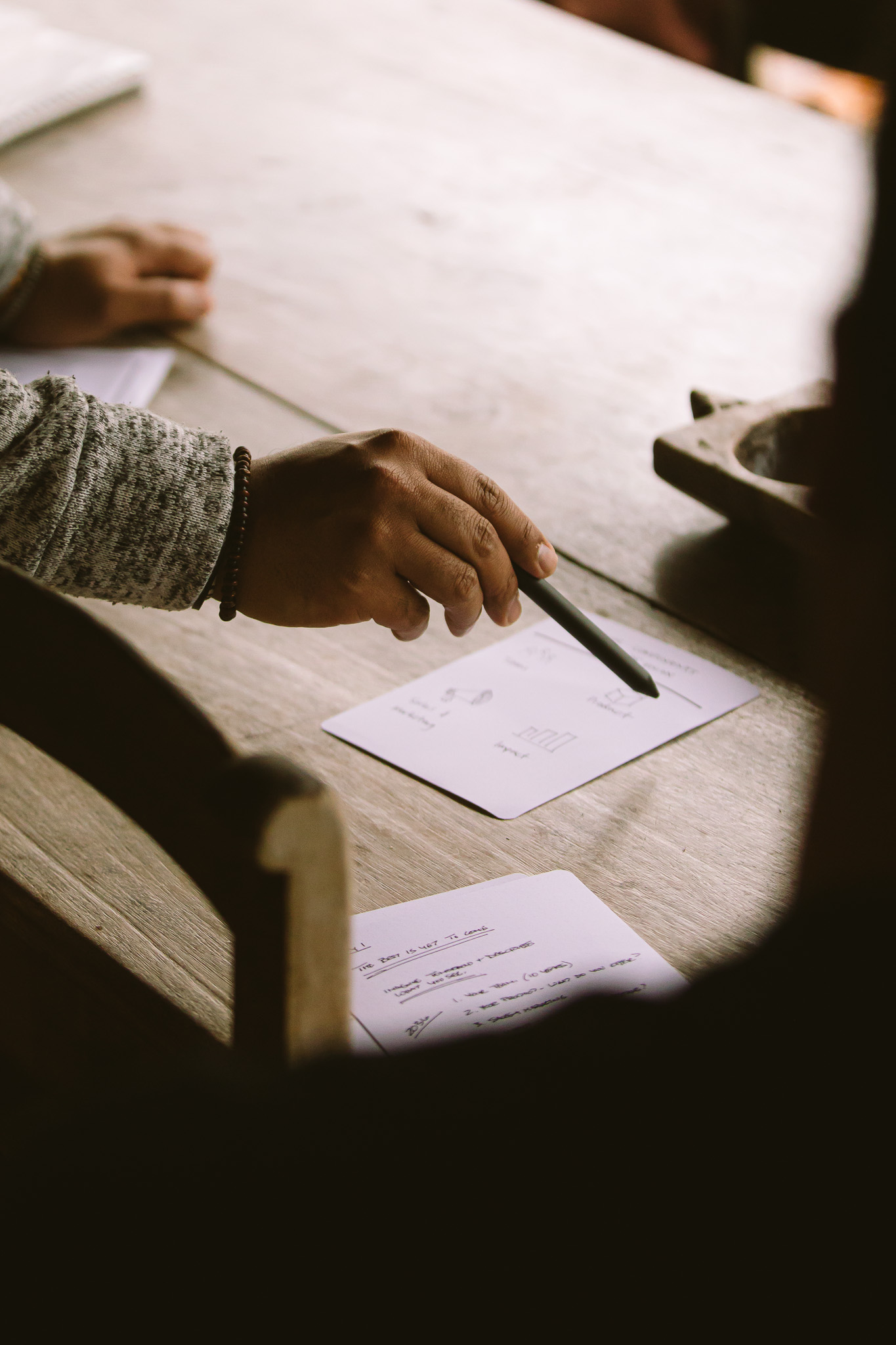
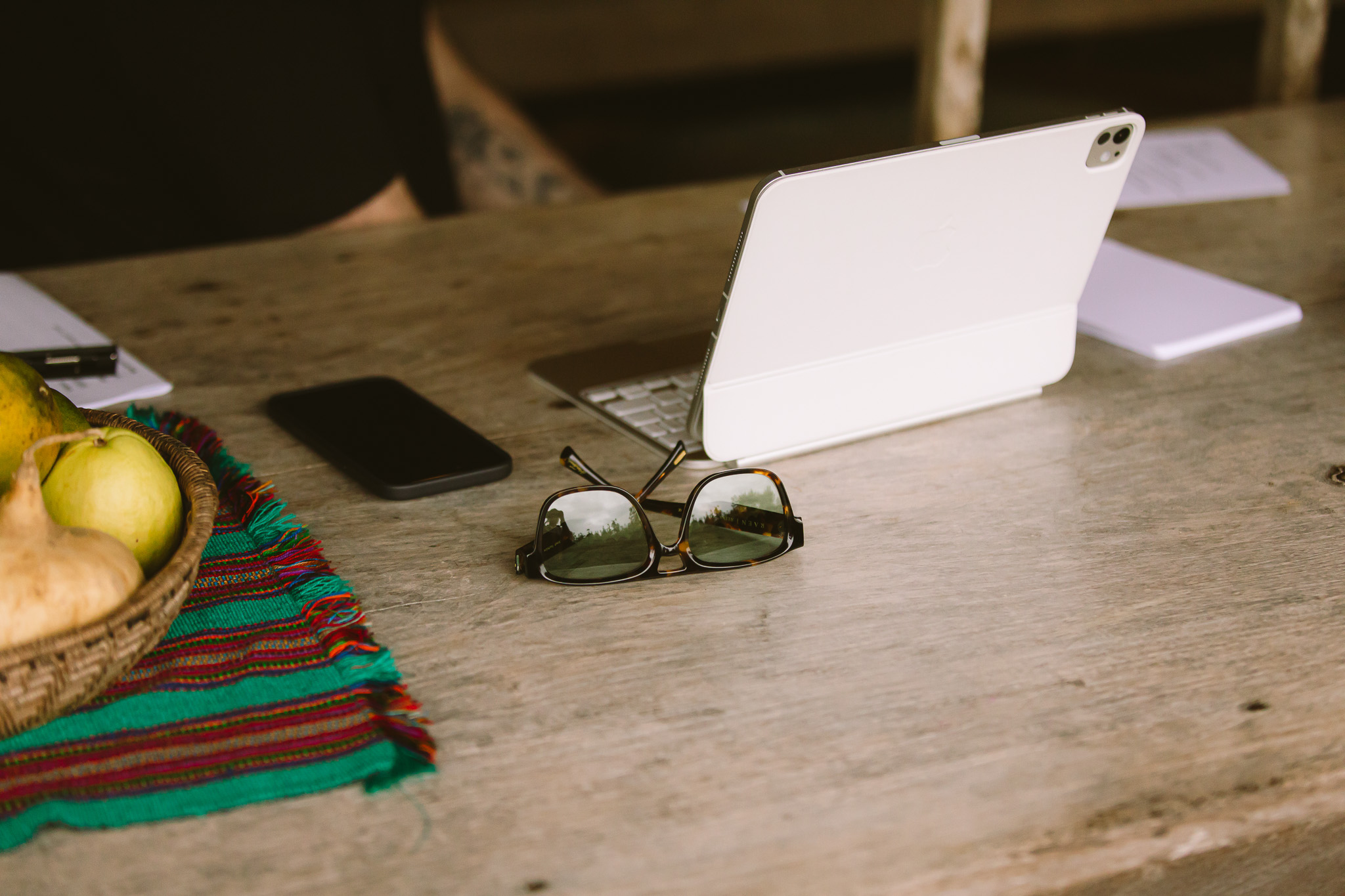
Prior to arrival, we had everyone fill out a survey that included questions about what made each person pampered and cared for. Osmani set off to create some final accommodations: custom requested snacks and beverages in each person’s mini fridge and kitchenette, prepping the chefs for our group’s various dietary preferences and restrictions, etc.
The attendees arrived staggered throughout the day. Benten and Joey landed around the same time at midday and shared a car for the 2-hour drive from the airport to the lodge. When Em and I walked up to welcome them at reception, they were already sitting at bar tables eating lunch like they’d been friends for years. We ordered some ceviche and plantain chips and joined them. Then they checked into their rooms to get settled.
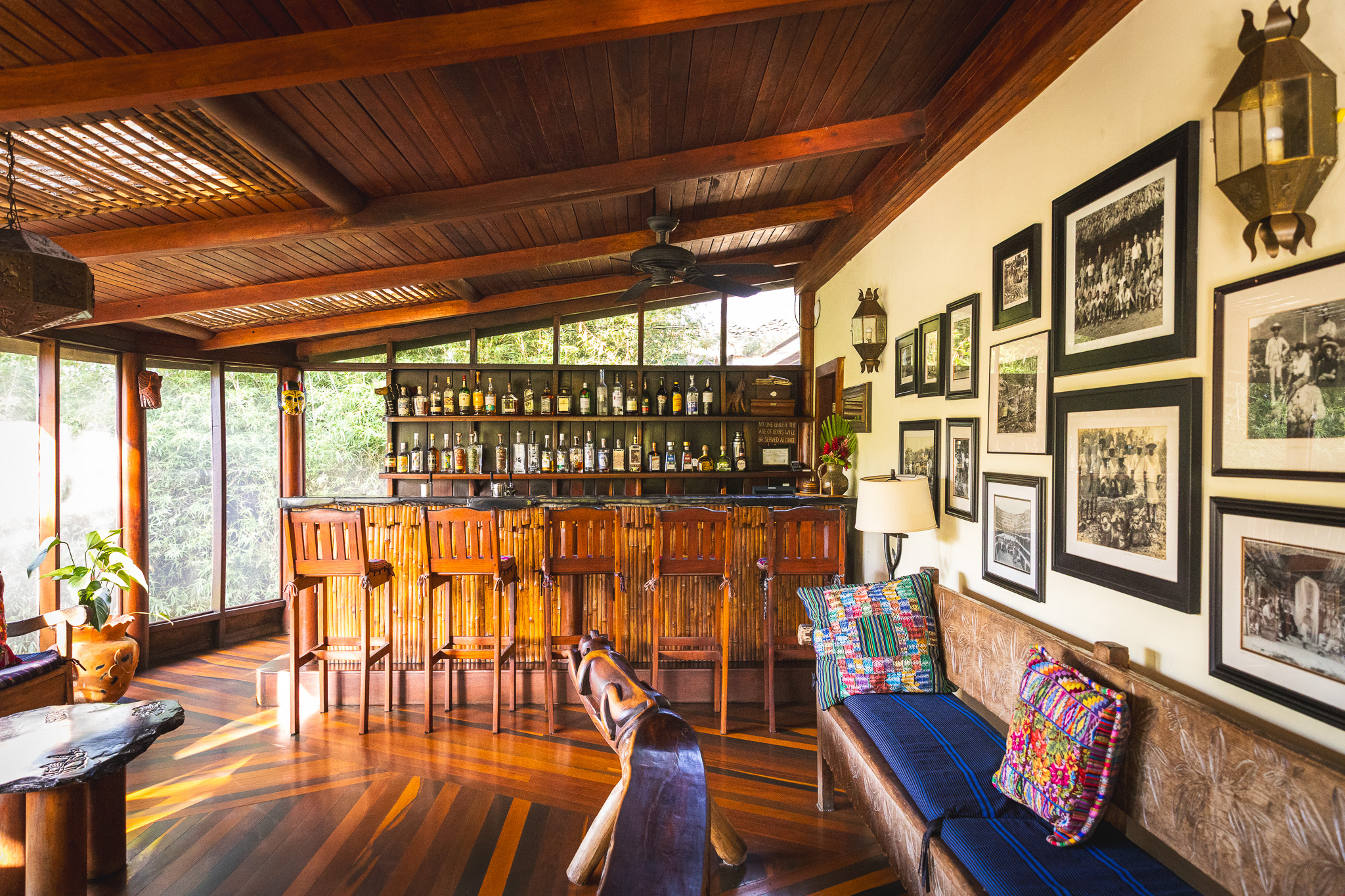
Gabby’s flight got in around dinnertime, and she met the rest of us while we were having dinner at the restaurant. The whole group was together for the first time. I could already feel it clicking.
The Trailhead (Day 2: Monday, February 23)
The official start of The Summit Belize 2026! I woke up pumped.
I had a pretty strong idea for how I wanted to kick things off. I wanted us to do something physically challenging to set the tone that we’d be working hard on this trip. The plan was to do a moderately strenuous 2-mile hike to a big waterfall where I’d teach some vision frameworks and have a few surprises in store, but the weather had other plans as it was drizzling when we woke up and, according to the weather report, didn’t have any indication of stopping until at least the afternoon.
The drizzle was light enough that I considered still going, as the benefit would be a cooler walk due to the rain. The biggest deterrent in my mind was the fairly steep set of 177 steps—yes, we counted when we went during the previous trip—at the end of the hike down to the falls. But it might be doable.
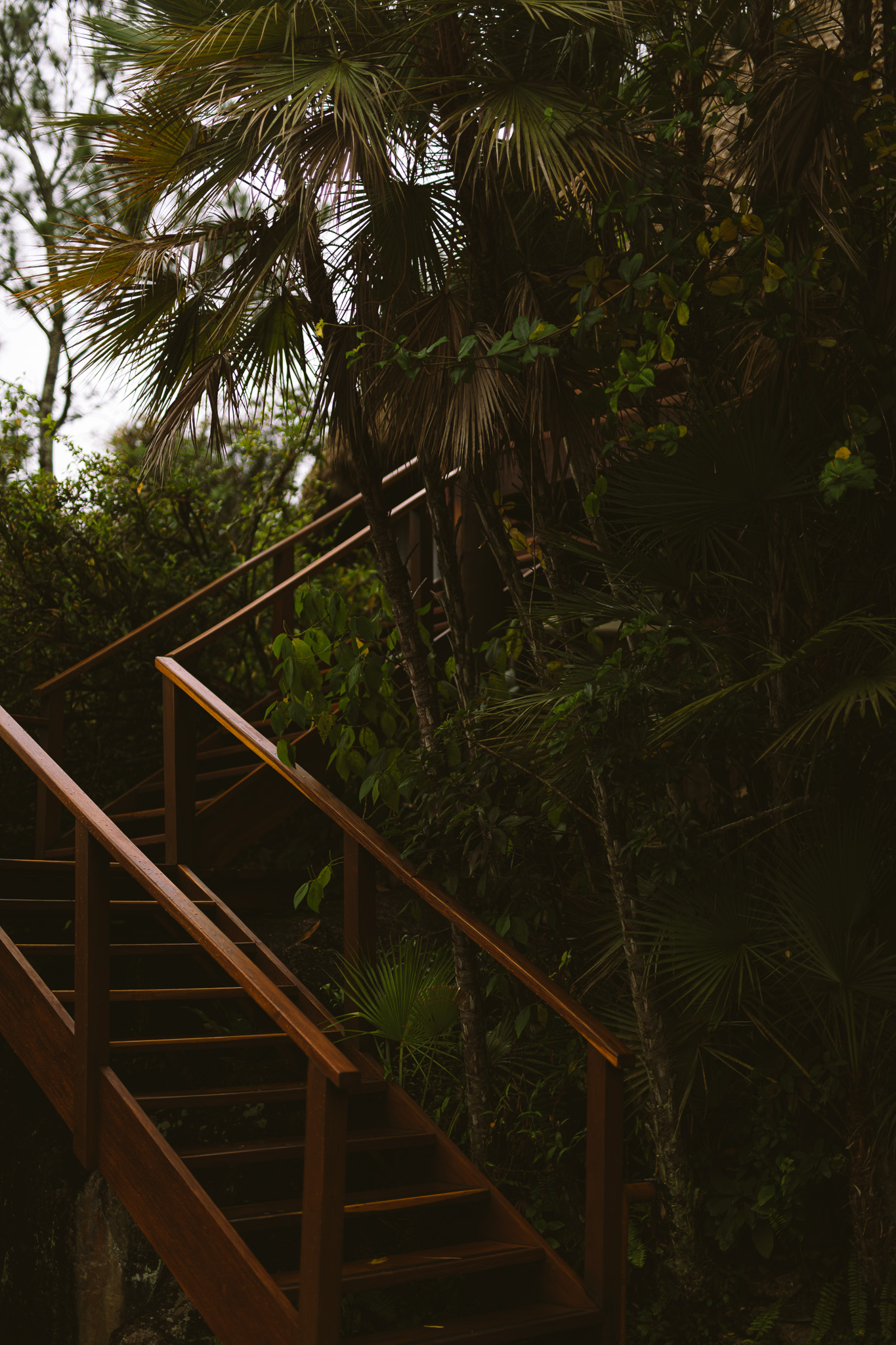
That is, until Em slipped and fell down the waxed first steps outside our villa on the way to breakfast. (We discovered a week later when she went to the doctor after returning home that she sprained her AC joint from that stumble.) Luckily, she was ok aside from the initial shock and some lingering discomfort, but the hike was definitely off that day.
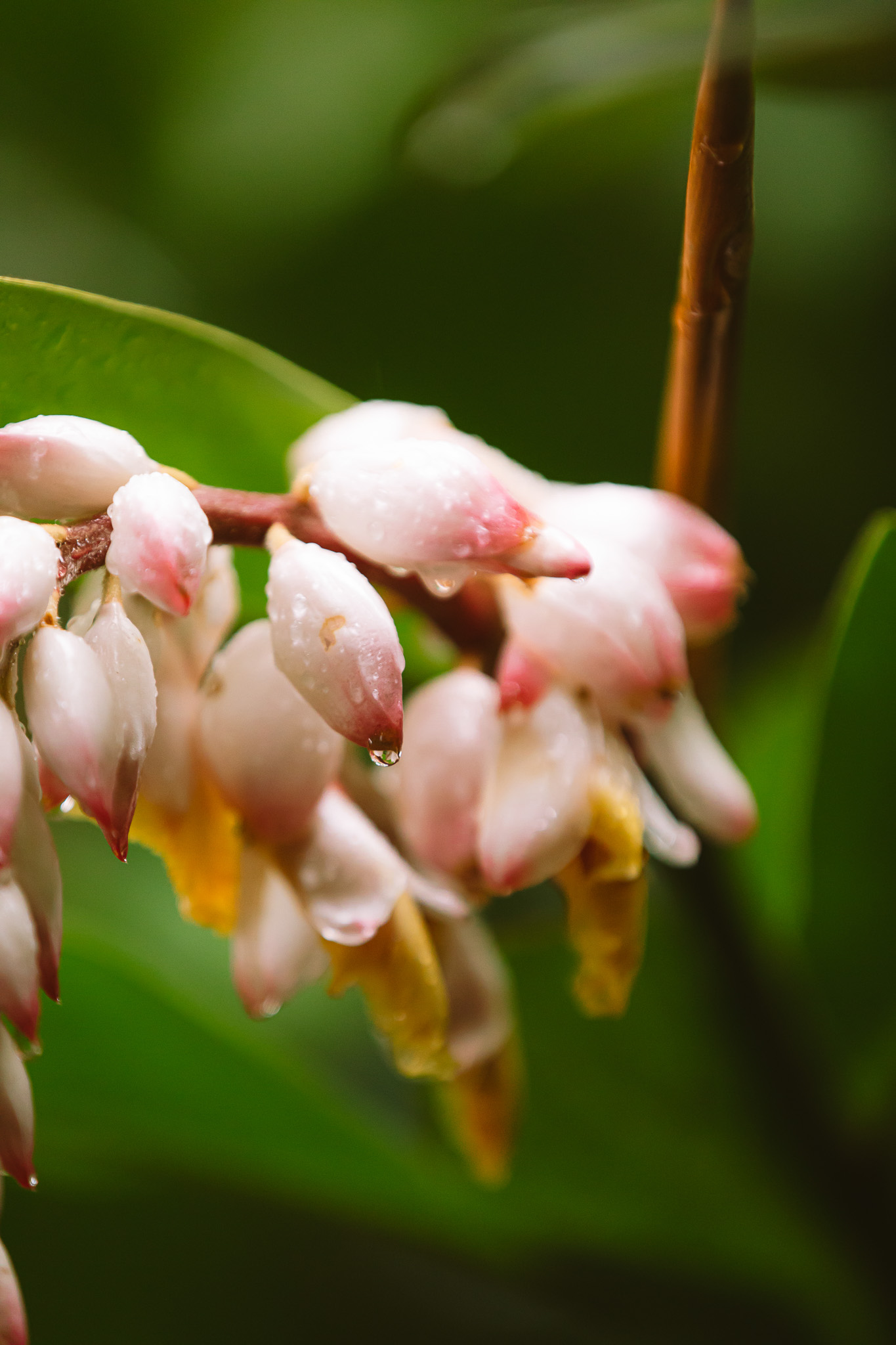
We got to the restaurant a few minutes late for our first official event: what I called “The Ridiculous Breakfast.” In everyone’s itineraries, I had prepped them with this cryptic prompt:
Be prepared to share the most ridiculous thing you’ve ever heard. It could be a fact, a story, a riddle, etc. It might take you 1 minute to share or half an hour. That’s all I’ll say about that for now.
We each shared our ridiculous contributions between bites. I won’t divulge what anyone said, but the inside jokes that started here lasted the entire week, starting with the oft-uttered response to anything, “That’s ridiculous.”
After everyone went, I revealed my grand design for this seemingly frivolous exercise:
The things you’ve done and will continue to do in your businesses are things that any normal person would consider to be ridiculous: making hundreds of thousands or millions of dollars; trying to assemble dozens or hundreds of people towards a shared cause; transforming clients’ businesses so drastically that they change their industries; and more. We started this event by sharing ridiculous things because that’s what we’ll be doing here all week: dreaming up more things that normal people would consider to be ridiculous. You’d be discouraged from doing that anywhere else. But here, for the next few days, I encourage you to do that to the most ridiculous level possible.
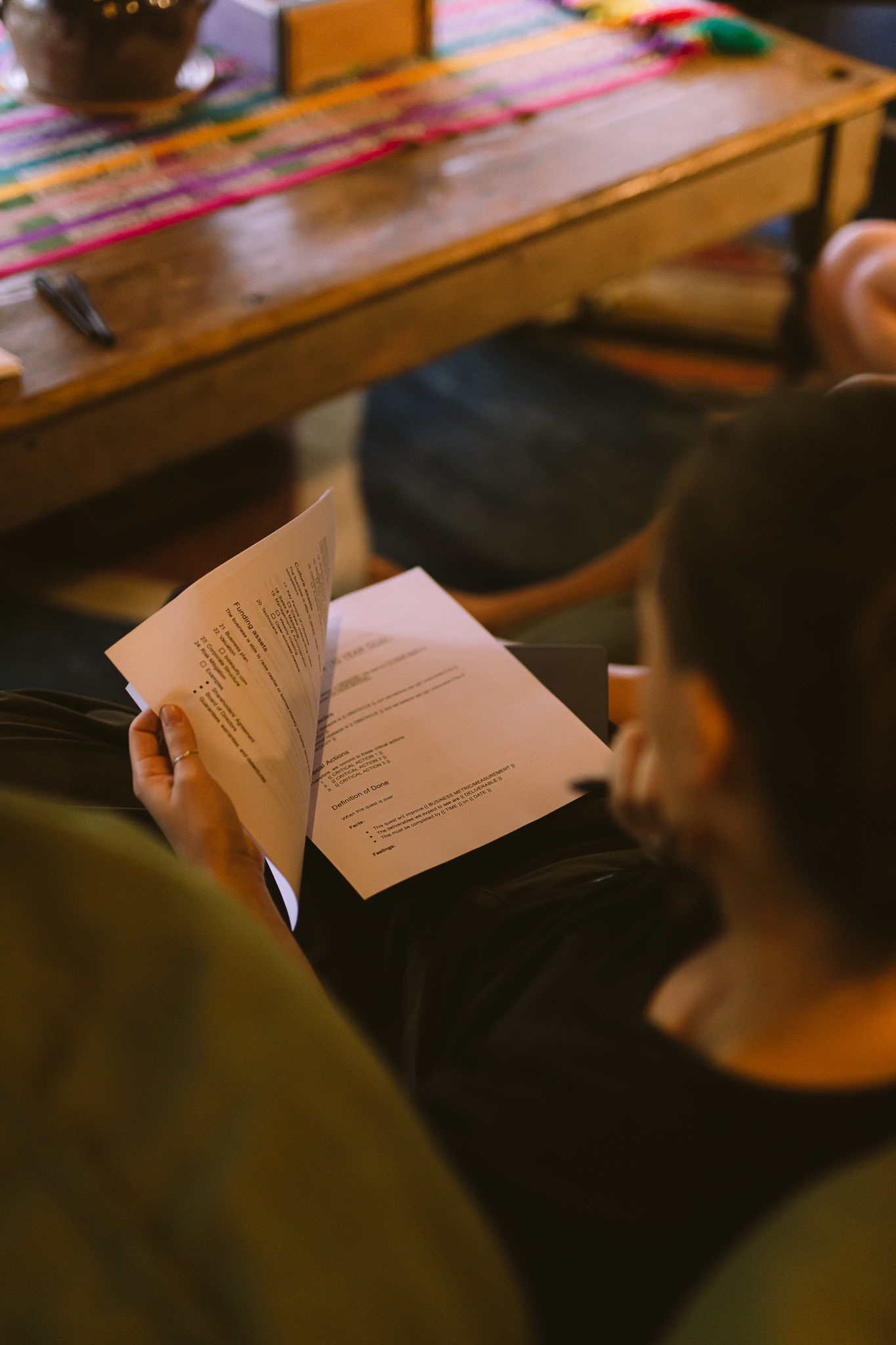
After breakfast, everyone gathered their writing and thinking supplies and congregated at my villa where we workshopped all morning against the misty backdrop of the Belizean rainforest. I challenged everyone to think bigger than they normally would about their long-term business futures, not just the next quarter or even the next year but for the next decade. I taught vision frameworks and shared templates for success metrics, company assets to develop, roadmapping, and more. Then I sent them off to anywhere they wanted to go on property to spend time alone imagining and writing down what they saw to could share with the group the following day.
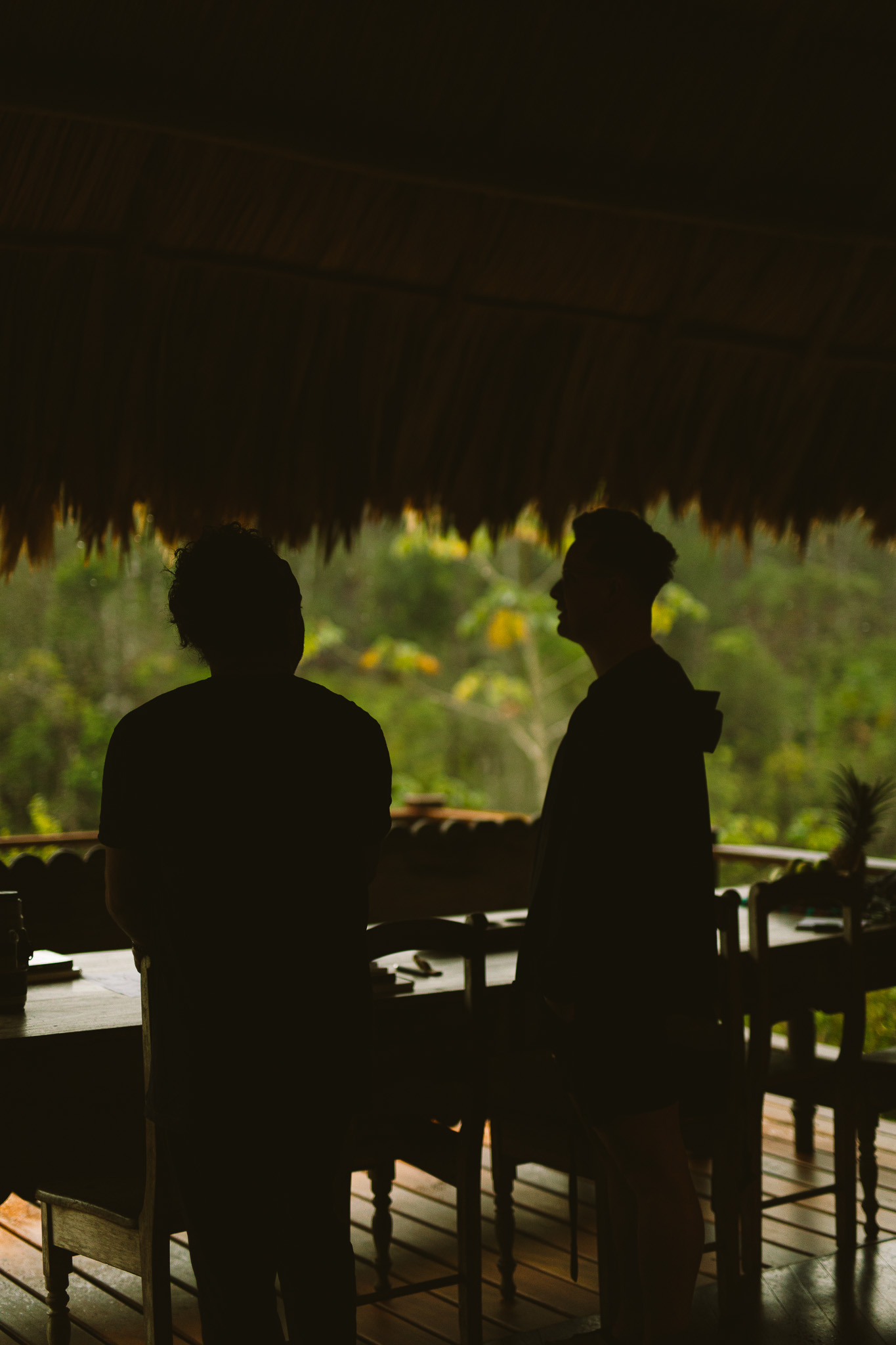
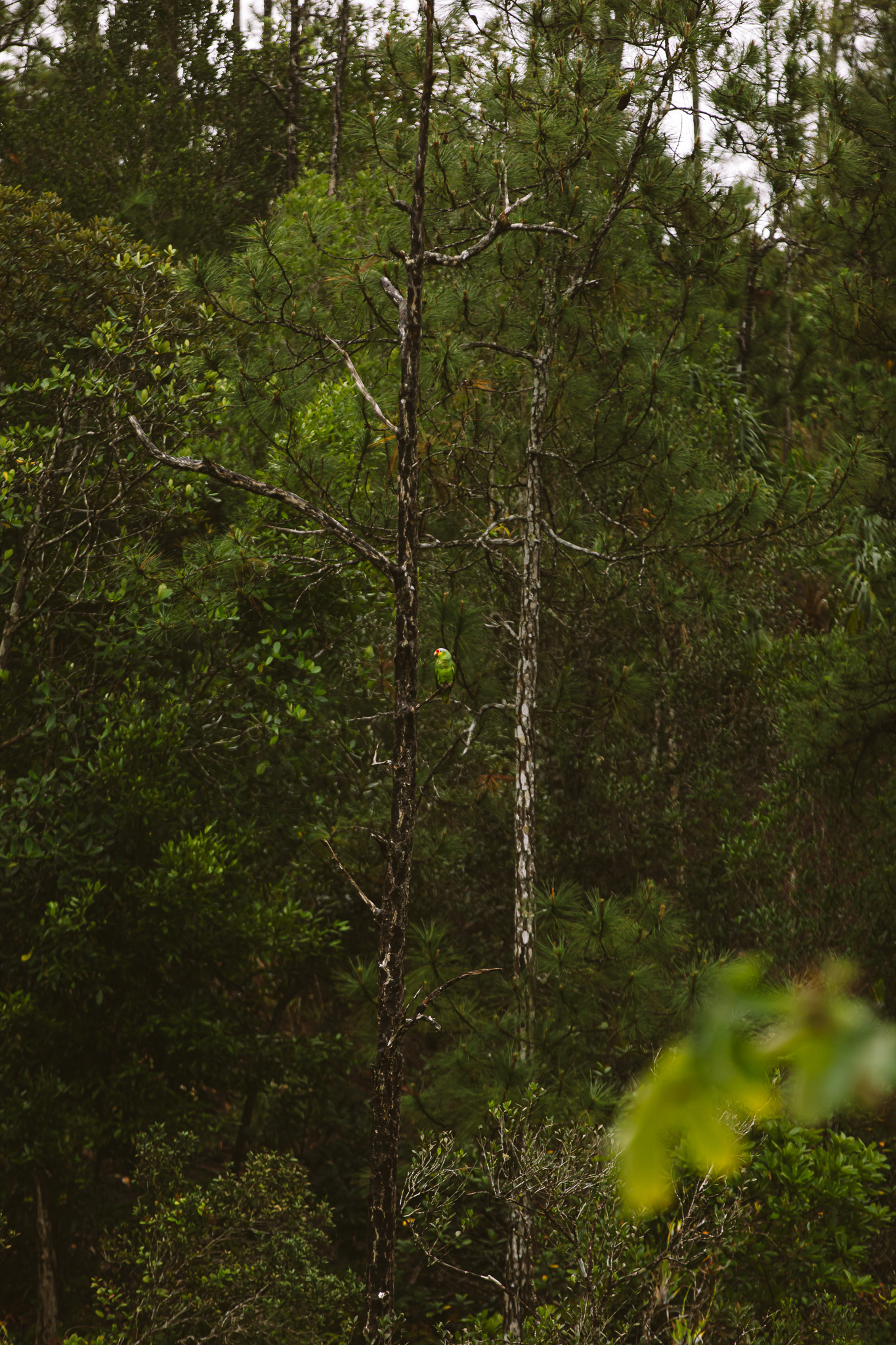
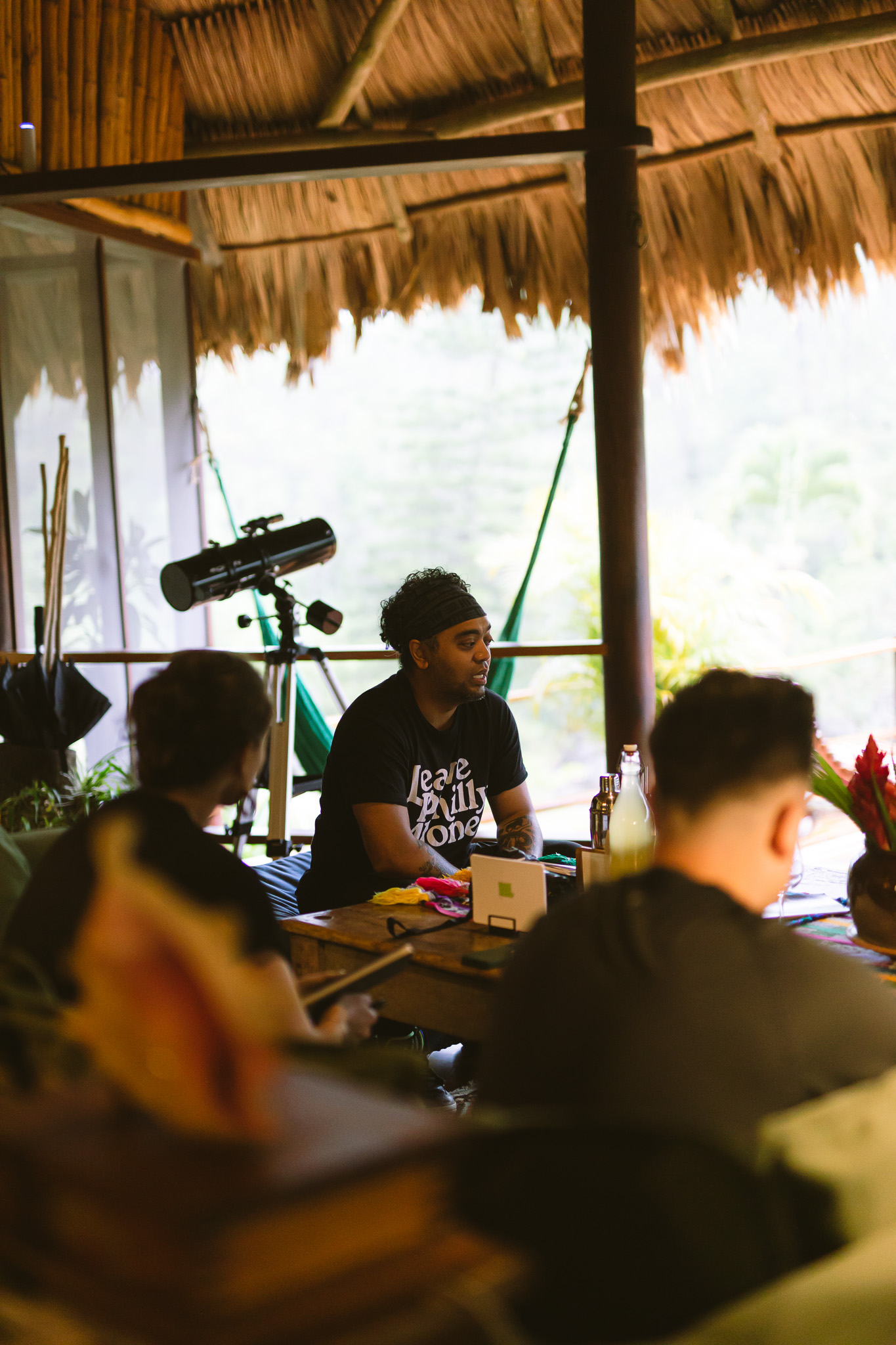
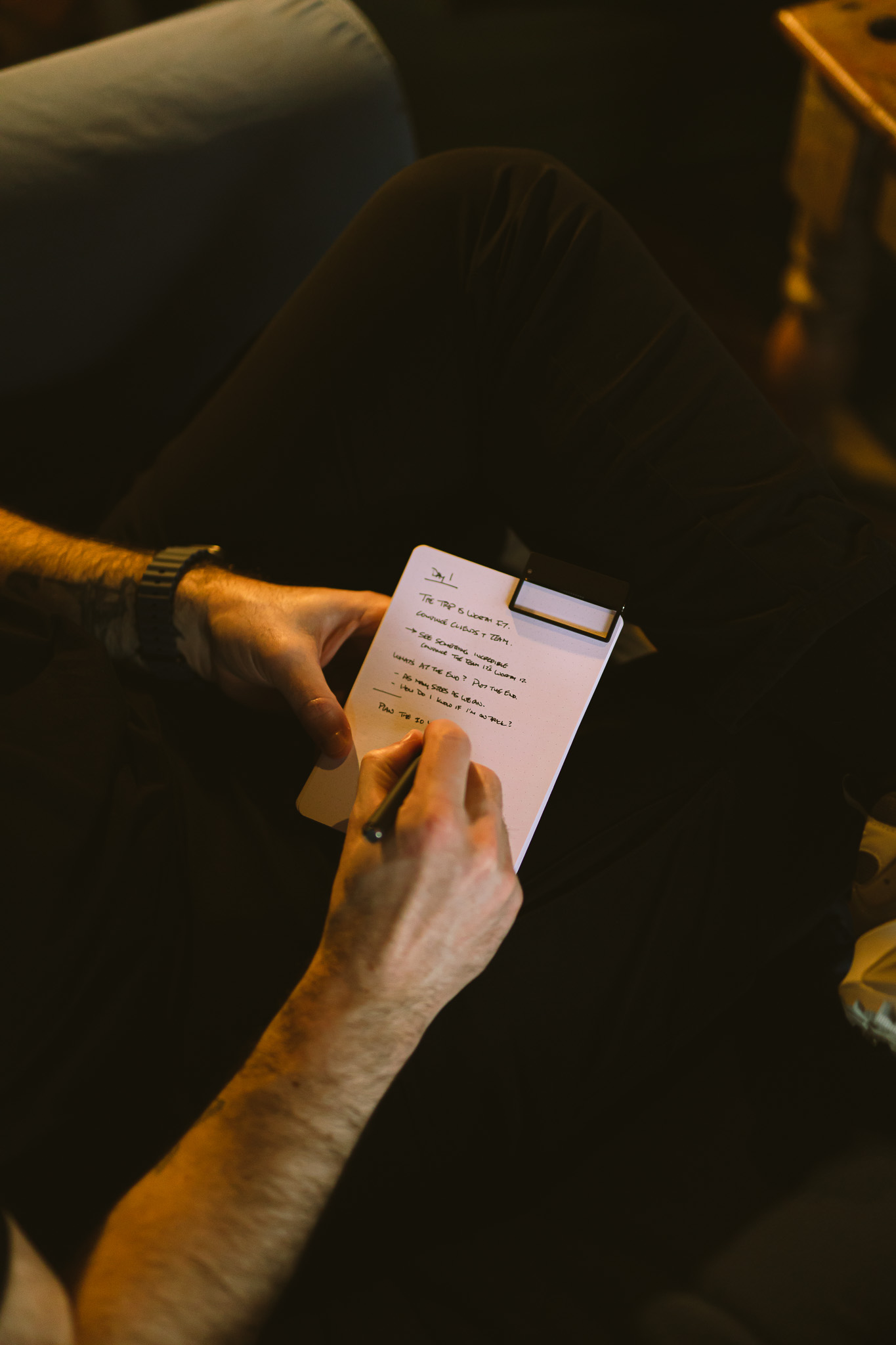
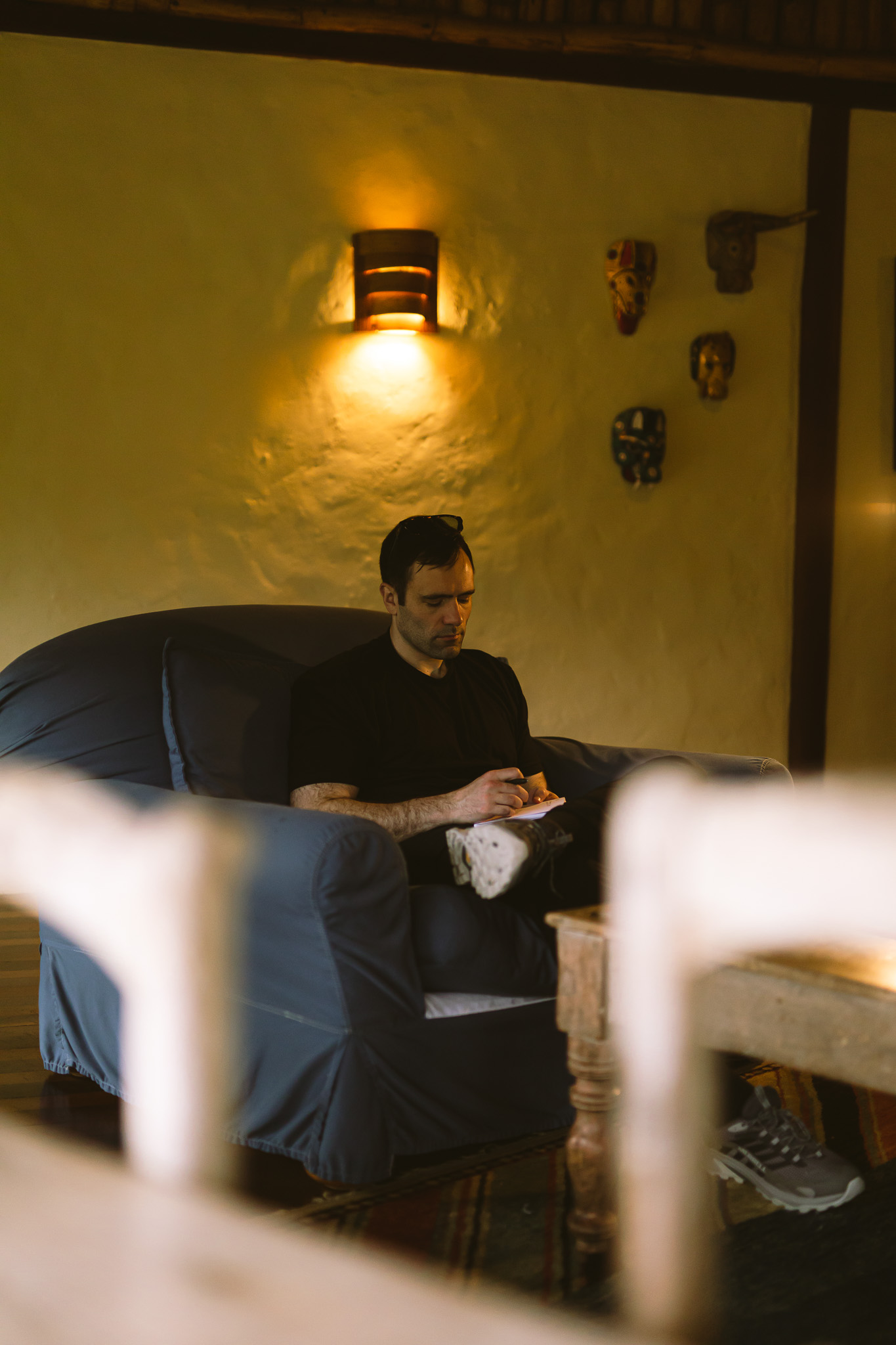
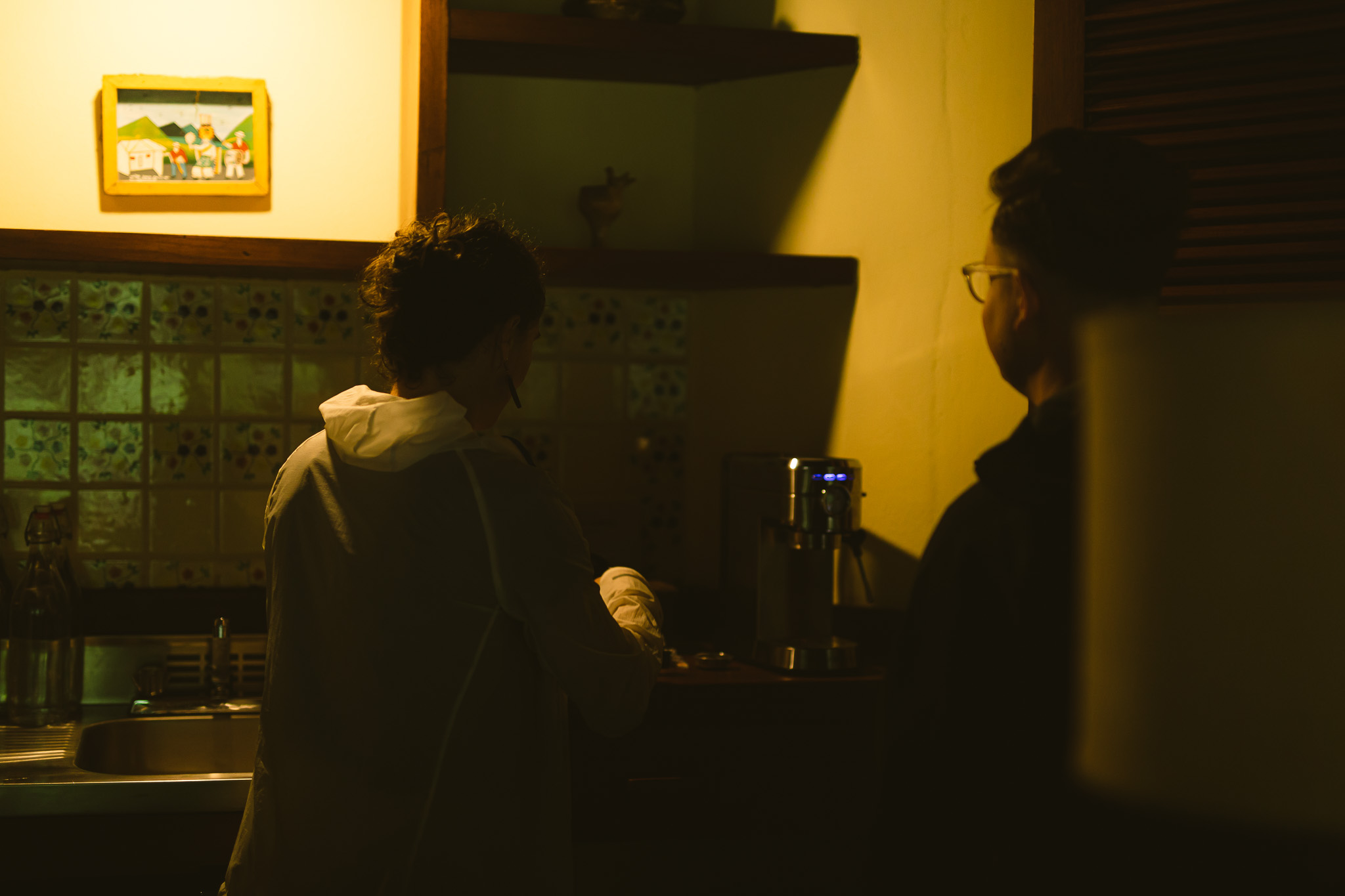
We met back up for lunch. Osmani was our server for every meal, and he was already getting a sense of our individual preferences. We all ordered, and I got the sense that Joey in particular was ordering something that he was more settling for than actually wanted. I whispered to him that, if there was something he really wanted, he could order off-menu and they’d do their best to make it happen. Osmani confirmed with an encouraging nod. Joey asked for a grilled chicken breast and some veggies, to which Osmani suggested some fresh broccoli and carrots from the garden and some mashed potatoes to go along with it. Everyone’s food came out great, but Joey’s plate looked extra delicious. He ordered it for almost every meal, and the rest of us ordered it several times too. “I’ll take ‘the Joey’” became convenient shorthand for the rest of the trip.
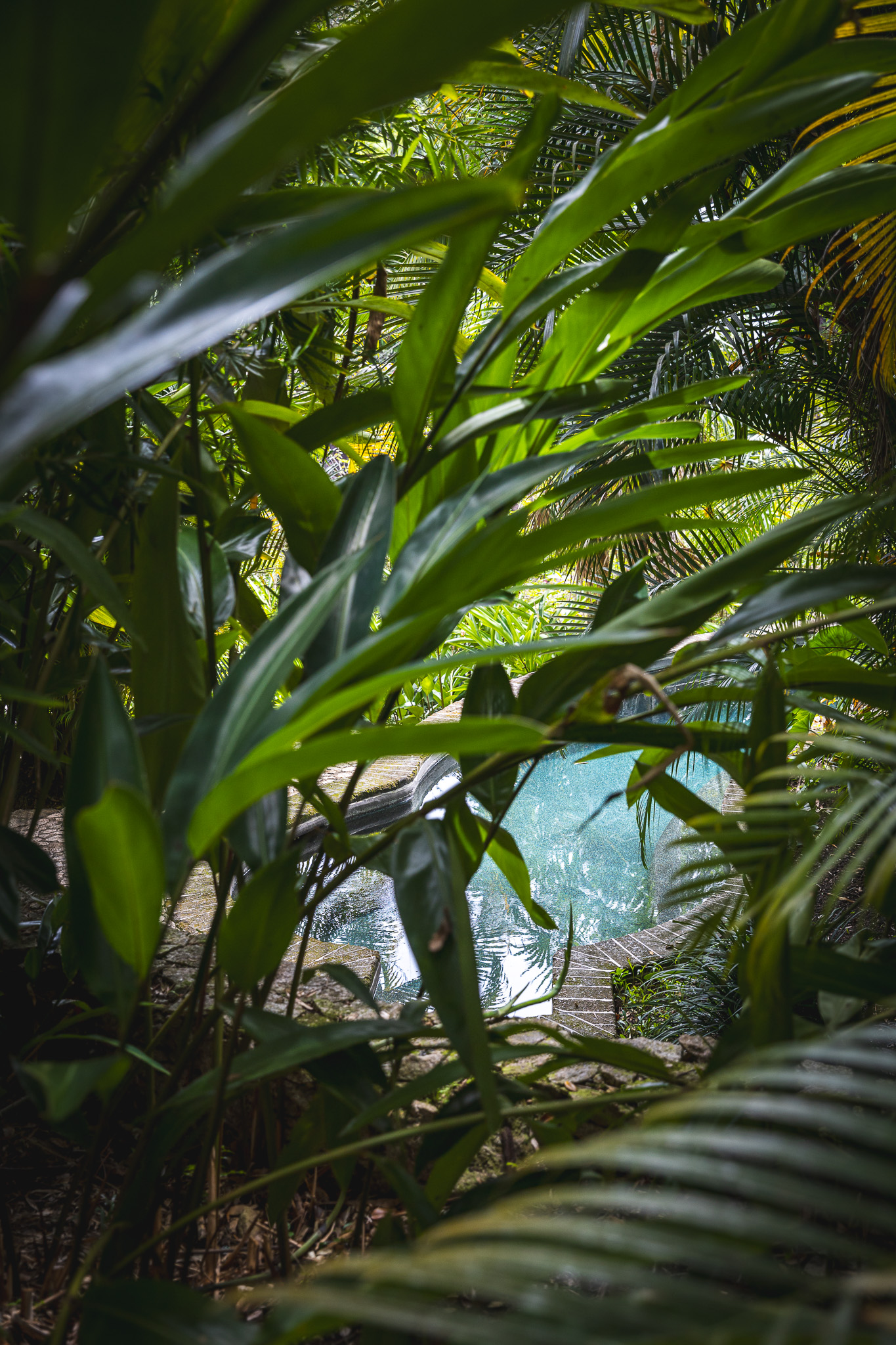
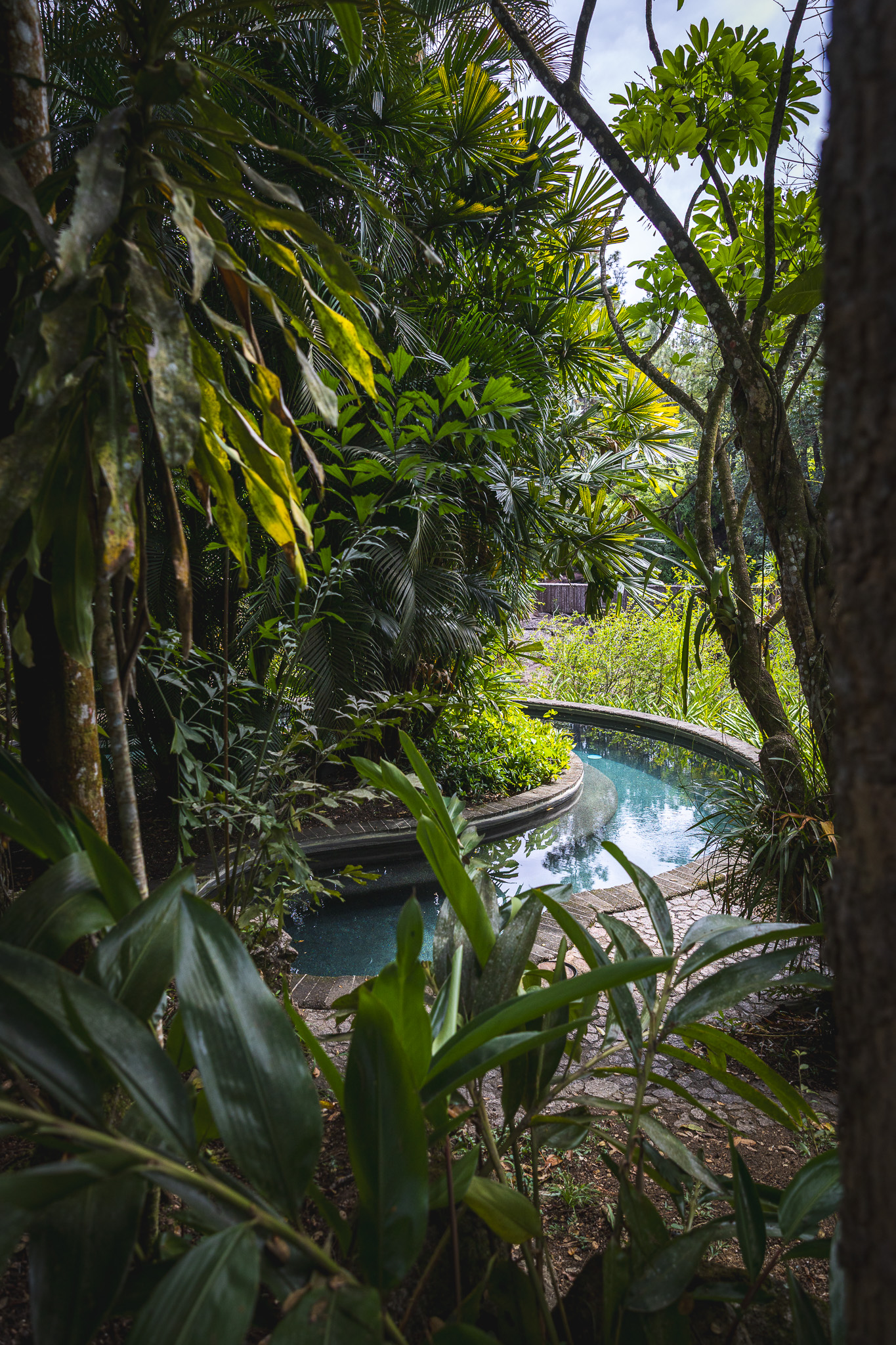
For the afternoon, we arranged full body massages for the three of them while Em and I relaxed in the outdoor, solar-powered hot pool by the river.
The Ascent (Day 3: Tuesday, February 24)
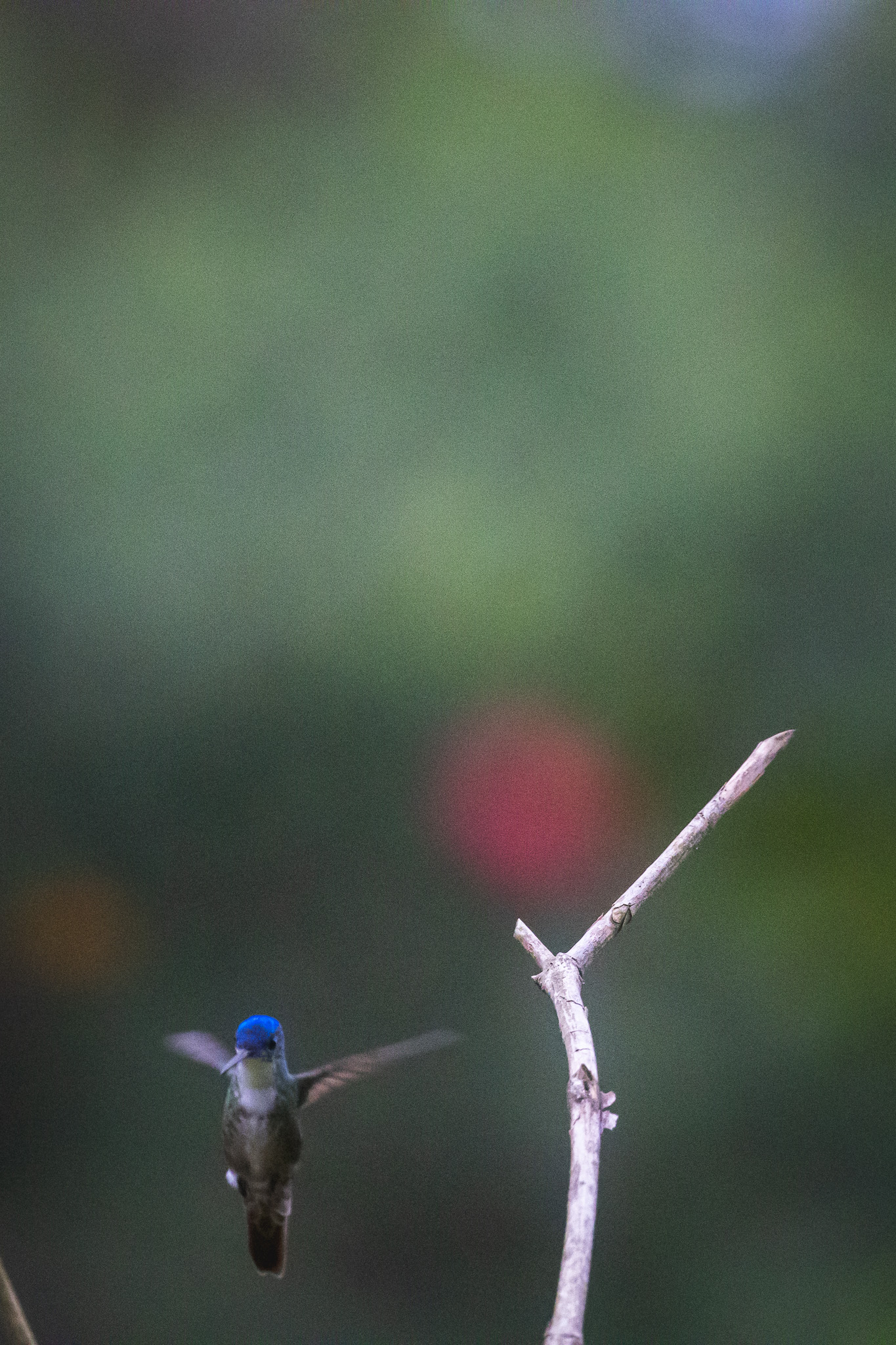
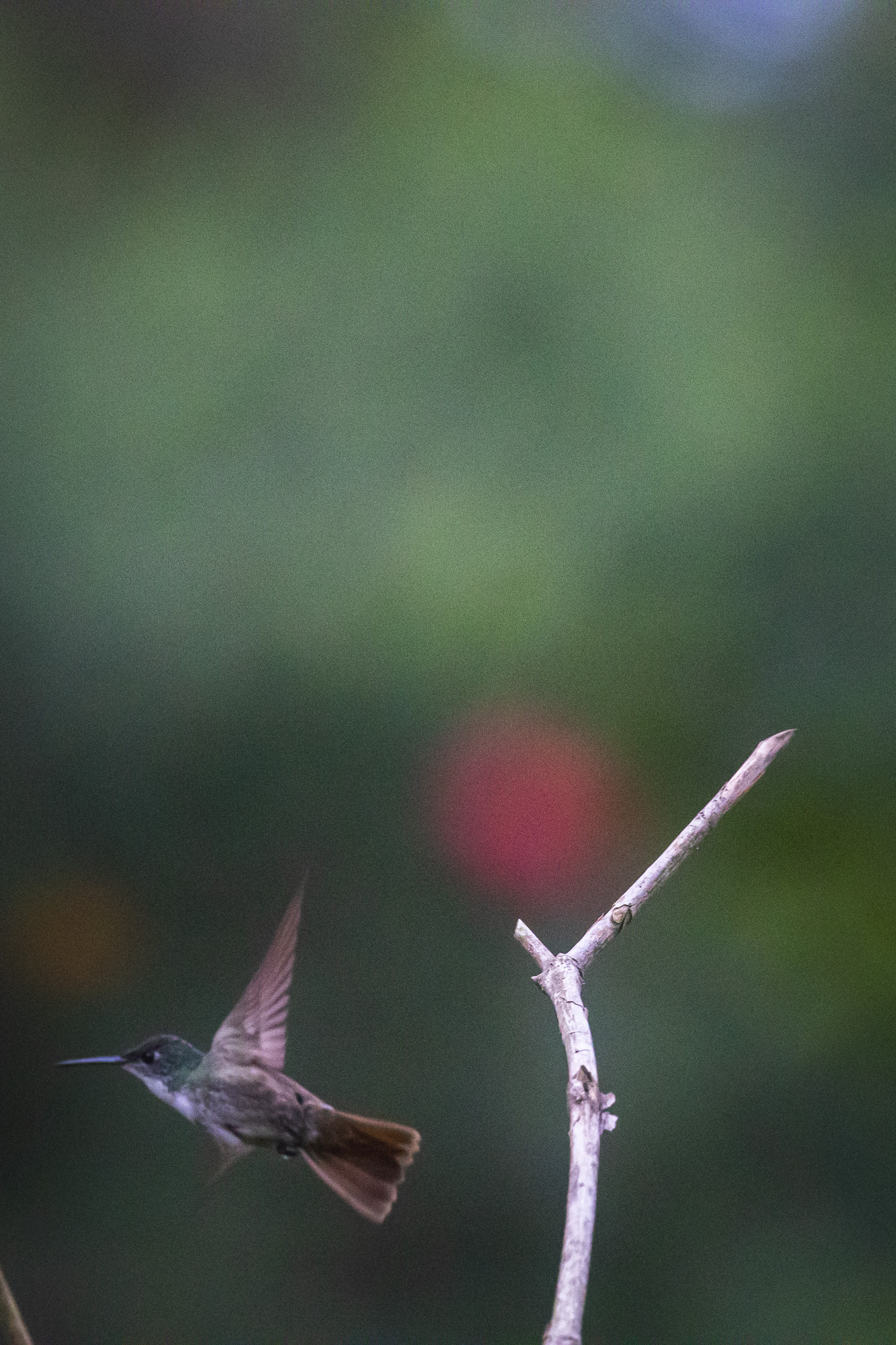
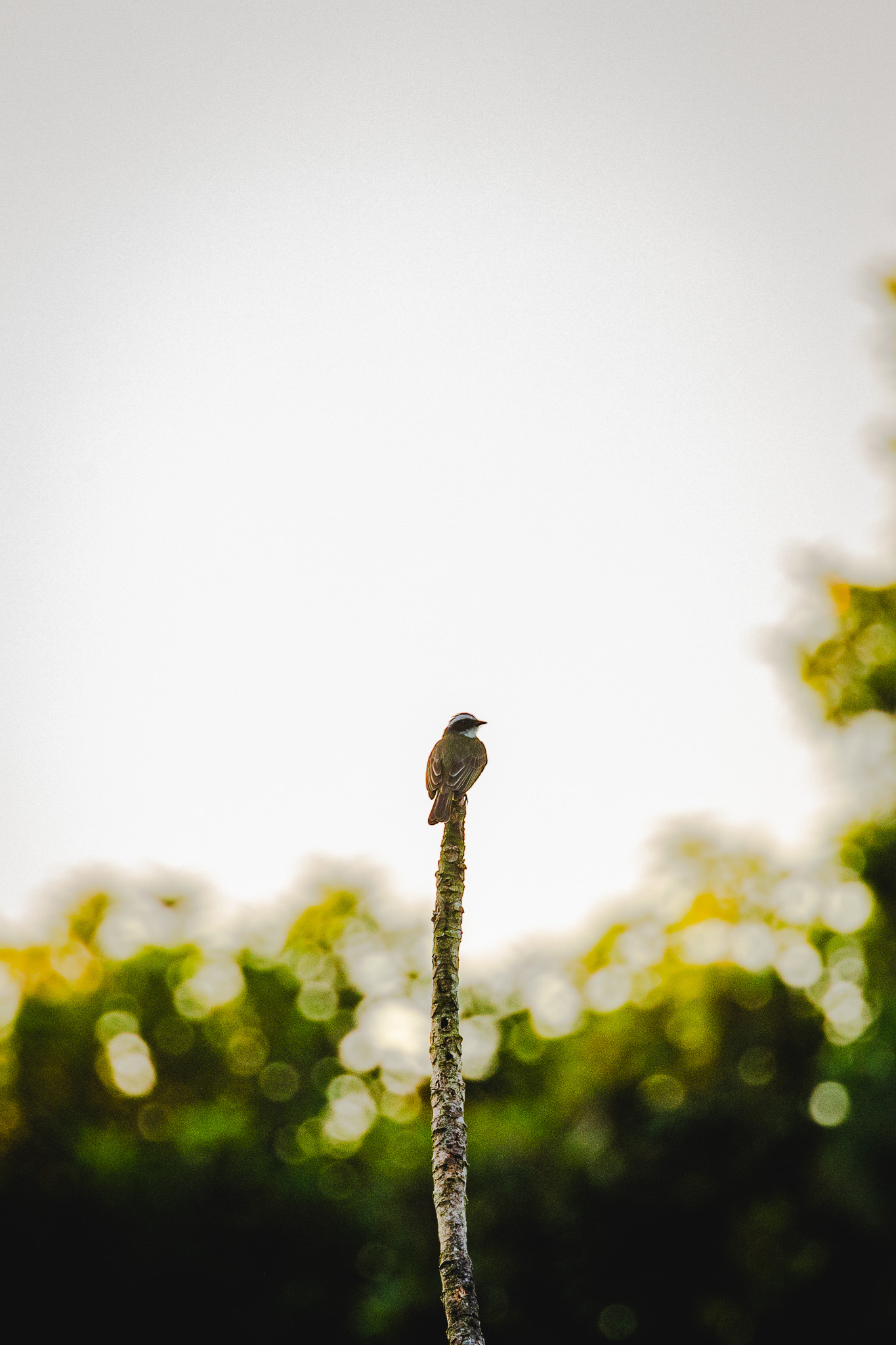
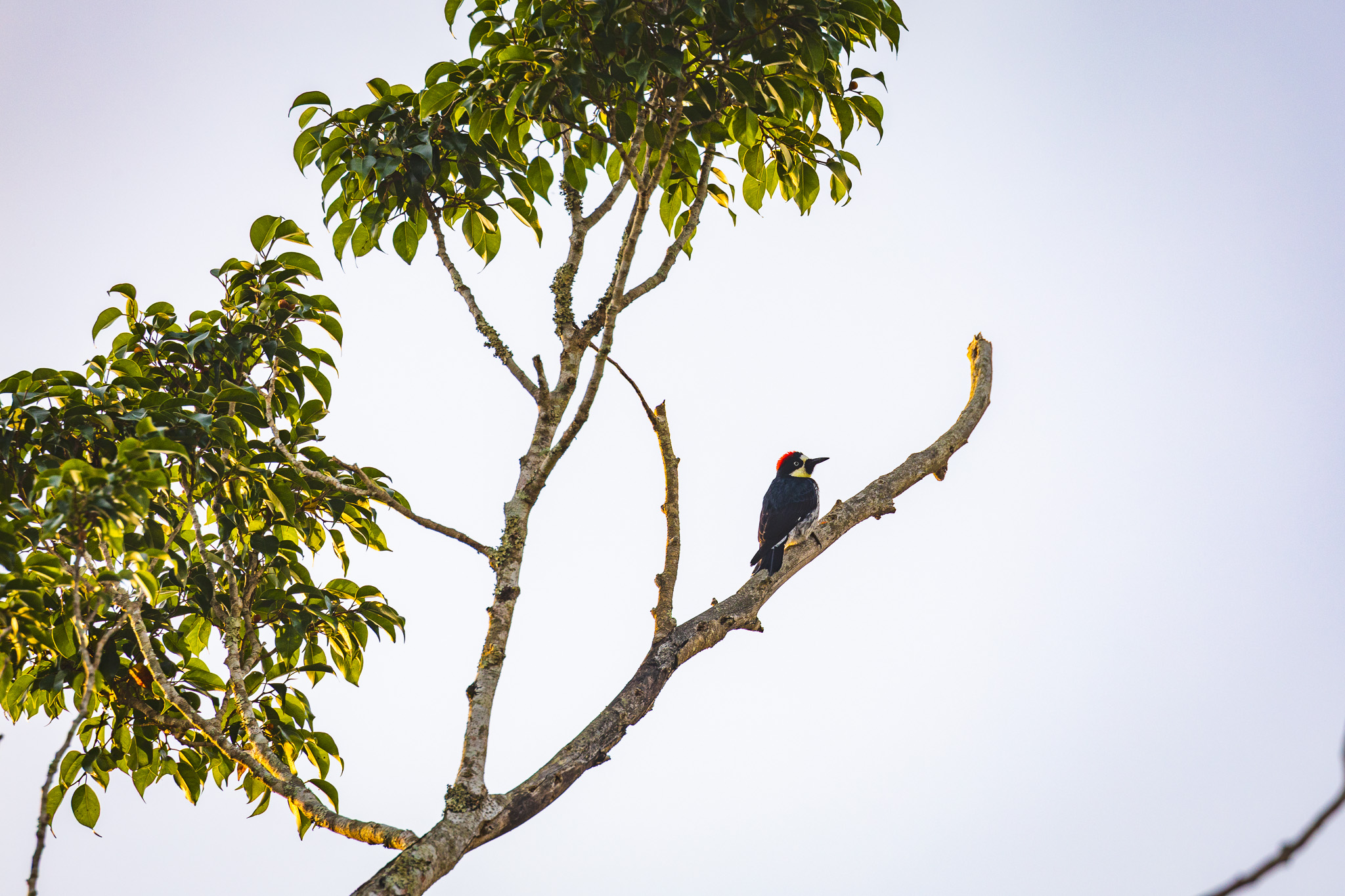
Belize is home to 600 species of birds, and more pass through as it’s on the migratory path. I woke up early to do the weekly sunrise bird watching. (I invited everyone to join, but, seeing as the day before was a travel day for them, they understandably passed.) I did the walk earlier that month in my previous visit, but I didn’t have my telephoto lens with me. I corrected that mistake and was ready this time.
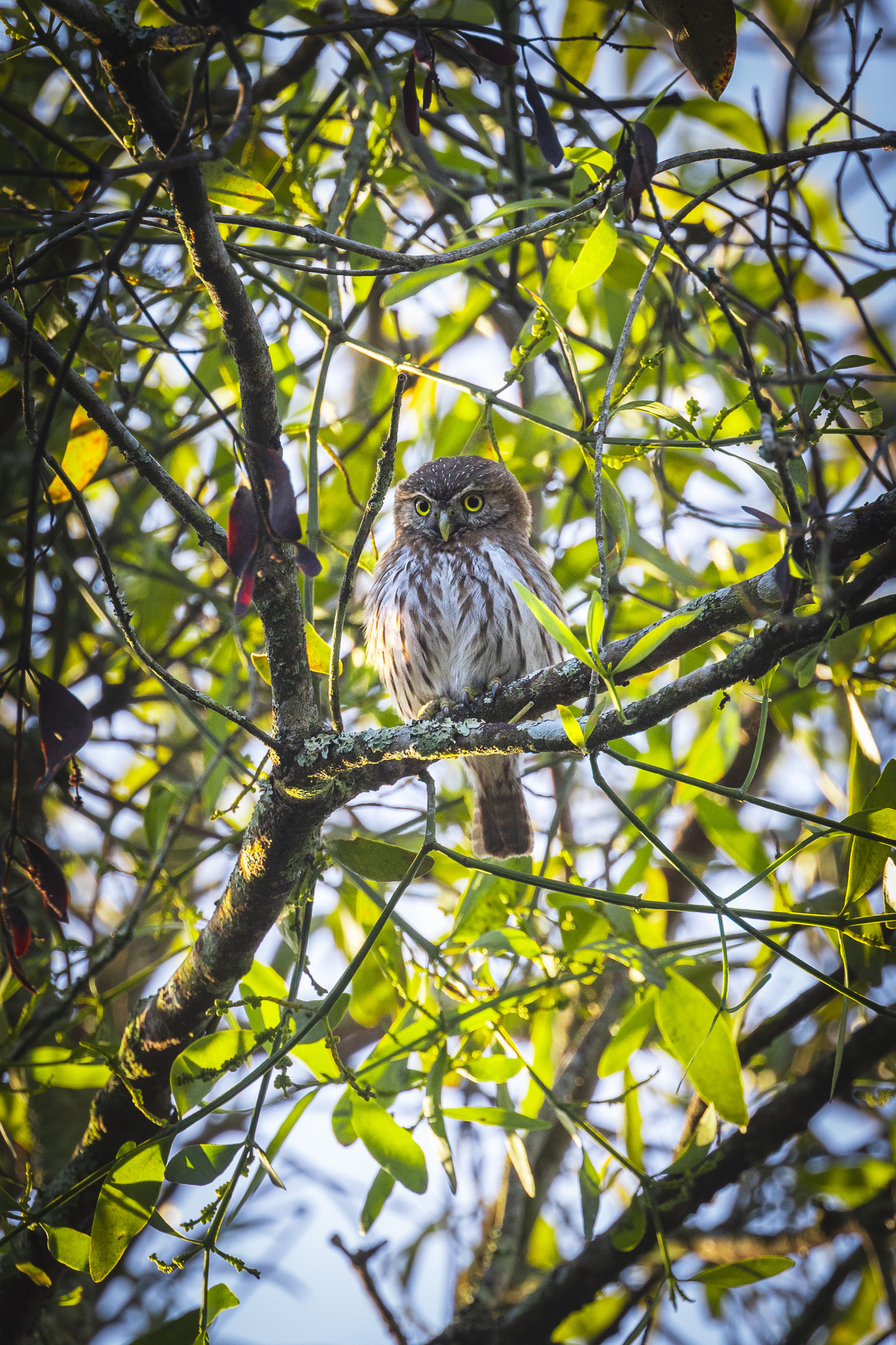
I saw beautiful birds, but I was really on the lookout for one in particular: the Northern Pygmy Owl. It’s about 6 inches tall and has a very specific call. I saw it last time but didn’t get a good photo. I was hoping this time would be different.
I met bird watching guide Mark, who I met last time. Mark’s great at spotting birds, and he knows a bunch of different bird calls to see if they’d respond to him so we can find them. I mentioned that I was looking for the owl and he called for it several times. We heard it respond but couldn’t find it anywhere.
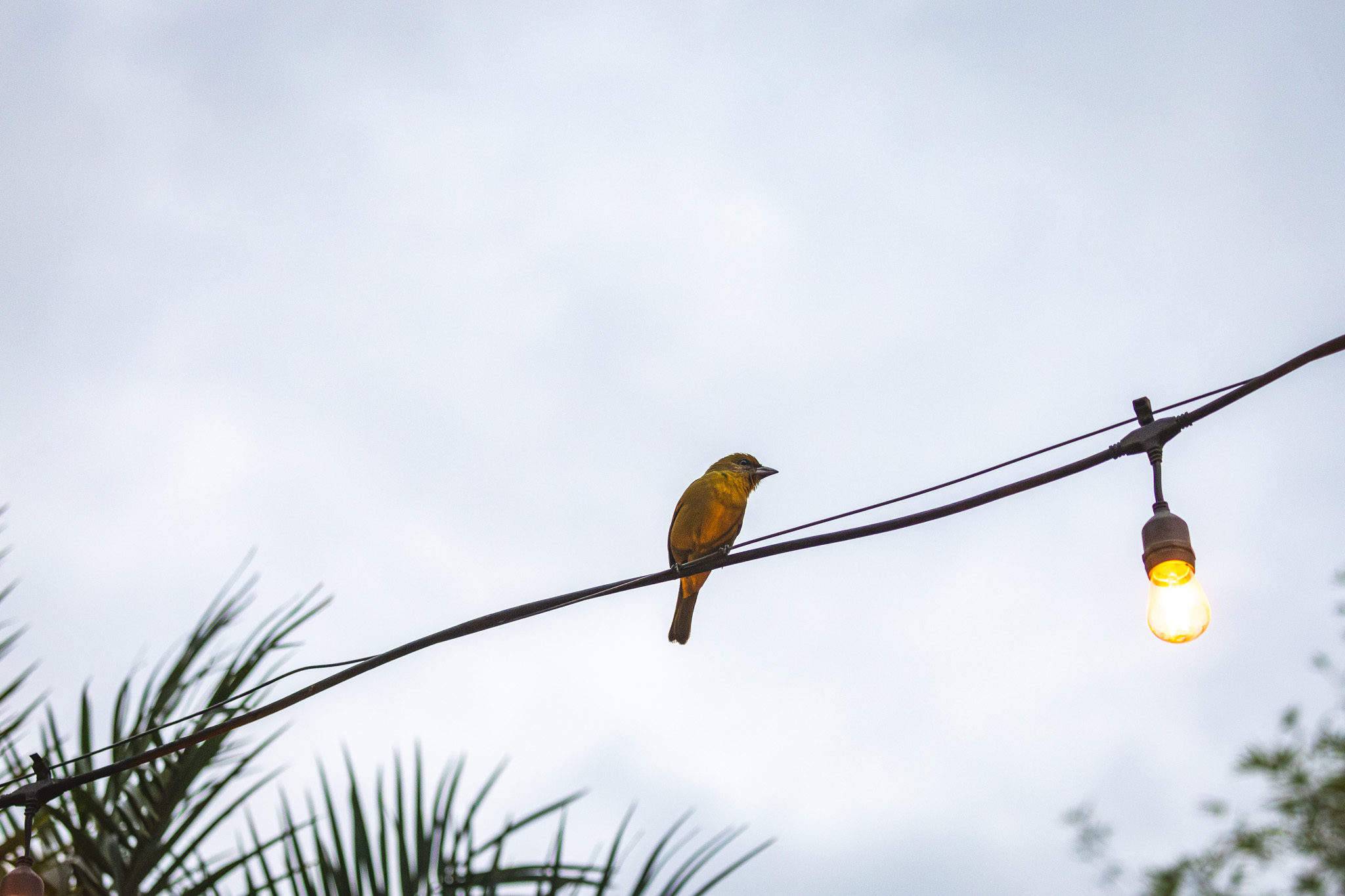
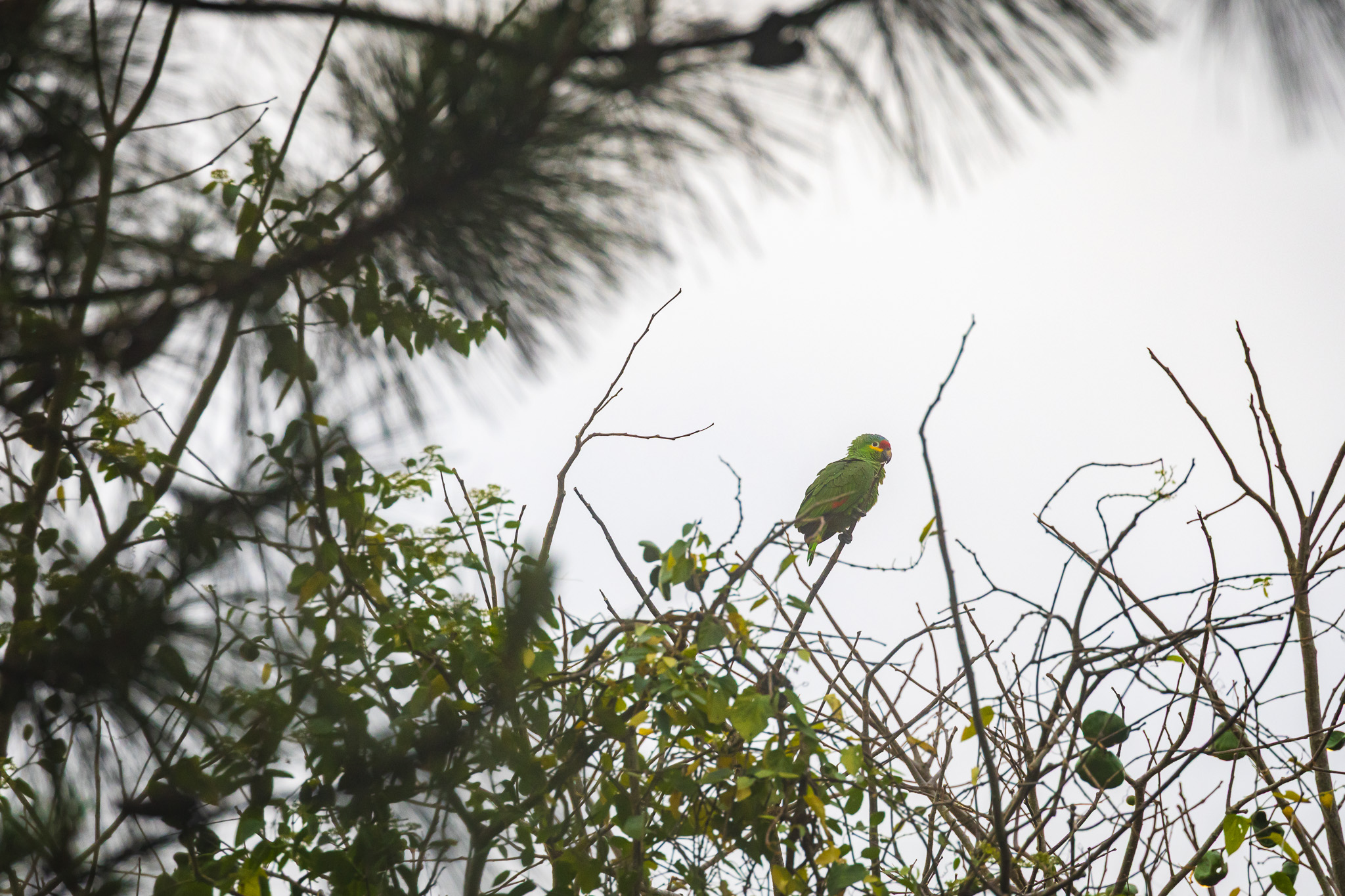
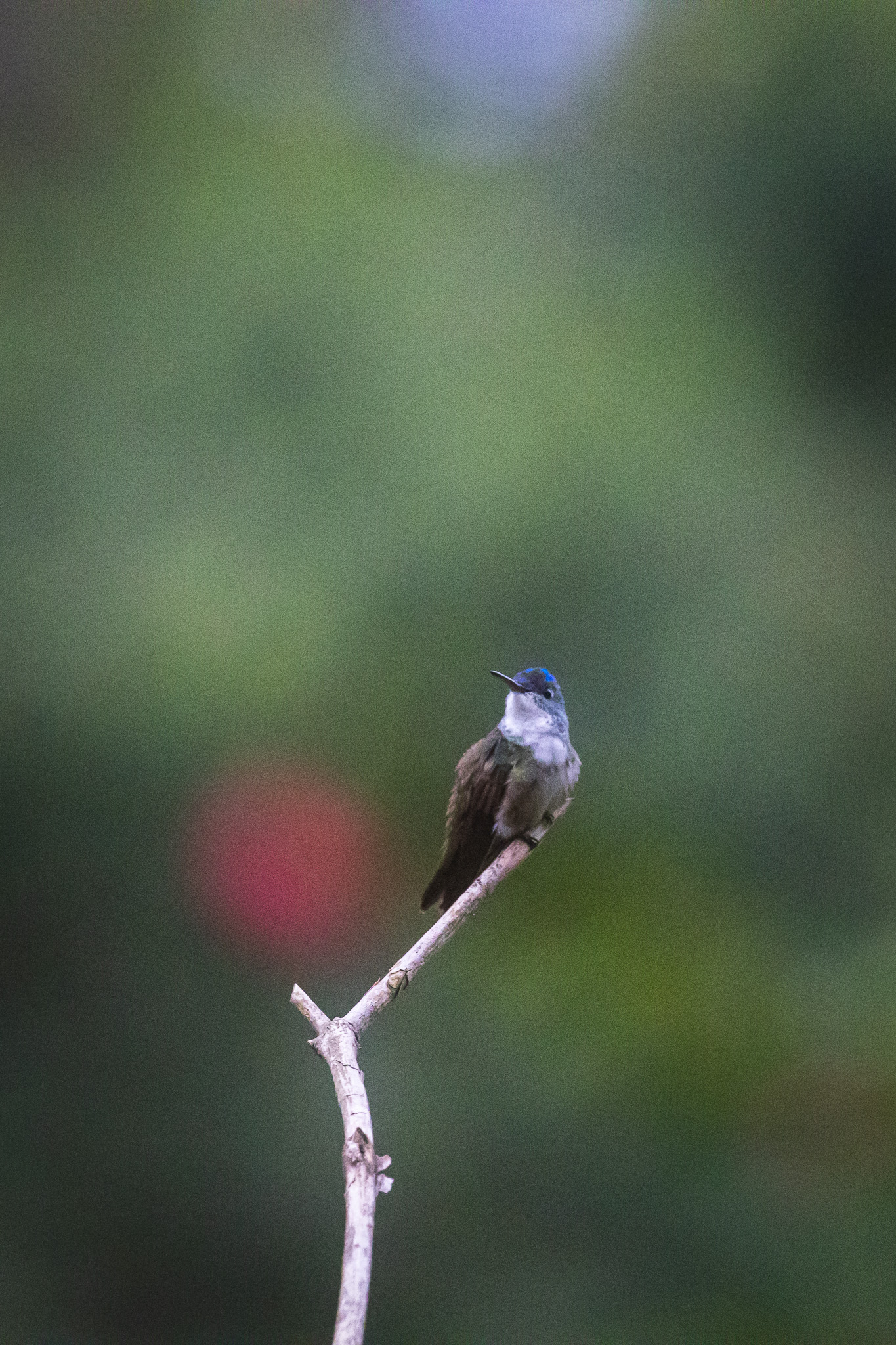
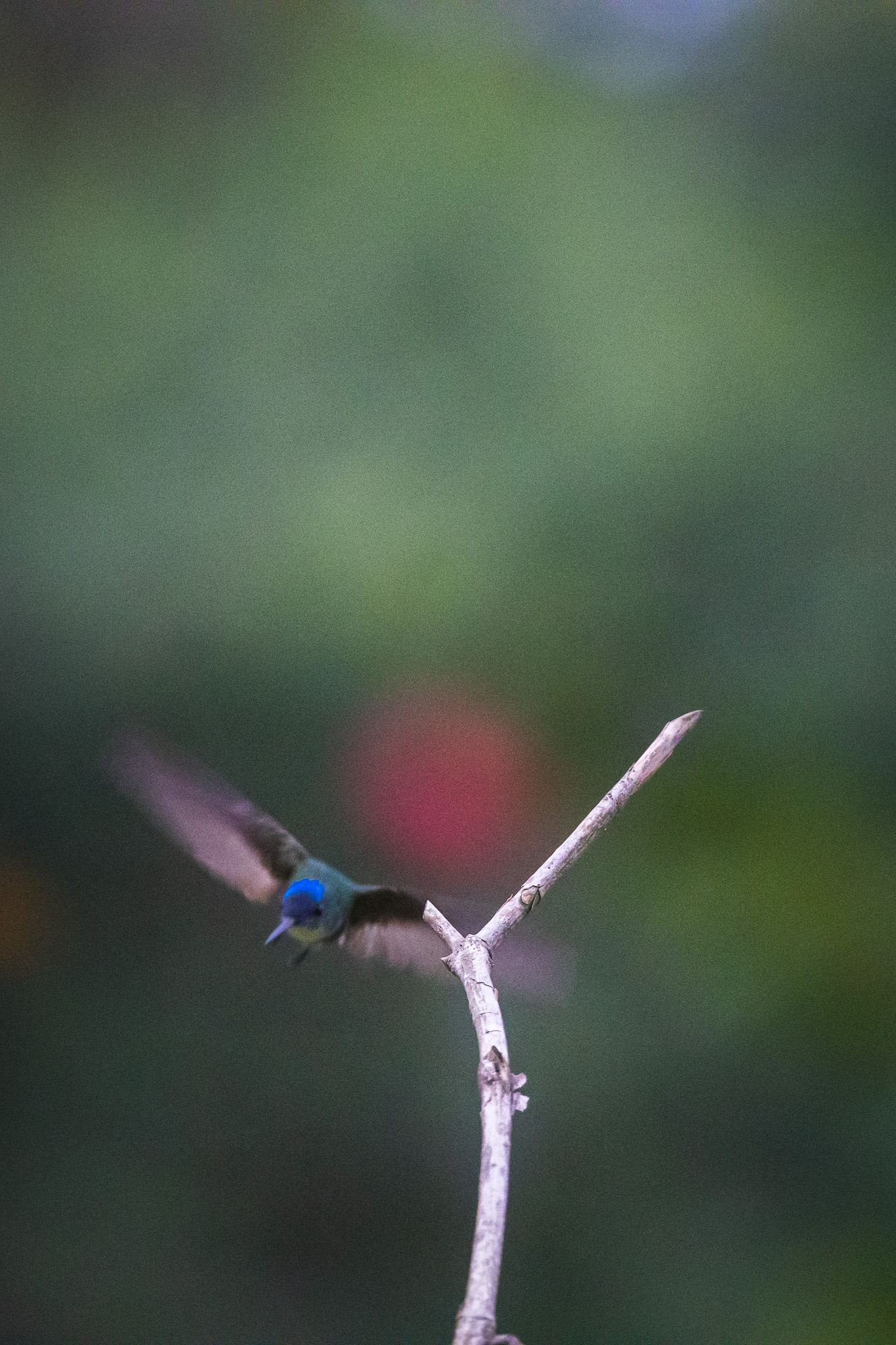

I met up with the group for breakfast afterwards. Relaxed, refreshed, and recharged, we were all ready for the hardest day: hot seats.
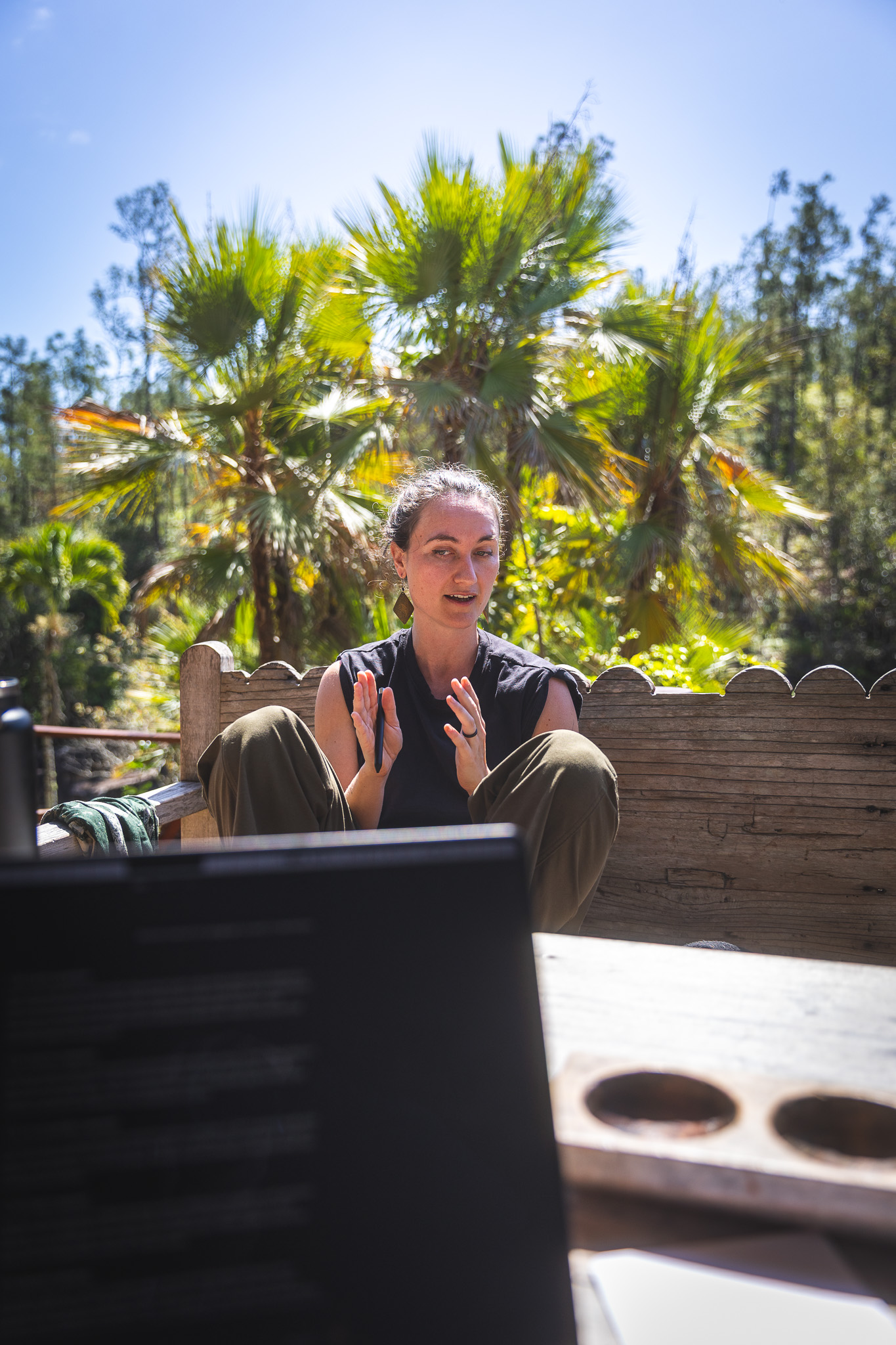
Here’s how our hot seats worked. For the first 30 minutes, it’s your time. Tell us about your agency. Though they’ve each been in the program for a long time, I was sure that there were details about each person’s agency that the rest of us had no idea about. Tell us about your hopes and dreams. Use as much or as little of the time as you want. No one can interrupt; we listen and we don’t judge. After your time is up, you stop talking and listen while the rest of us challenge, affirm, suggest, and react.
Gabby went first. She taught us about her industry and field and shared some of her hypotheses about where it could go. Gabby has a natural fire for her professional ambition, but I think the magnitude of her energy didn’t match how small the remit of a typical agency is. While the group was discussing, I gave Claude a few inputs to generate some planet-sized missions that could be better containers for Gabby’s aspirations. Once we landed on something close enough, I asked Claude to generate a list of OKRs to be achieved over a decade to measure success. After looking through, a decade felt too short. Not that it wasn’t enough time; more like it felt too short-sighted. Twenty years felt like the right level of ambition. None of the generated ideas were right, but they were enough of a McDonald’s Theory to workshop hiring plans, offer structures, and content marketing ideas.
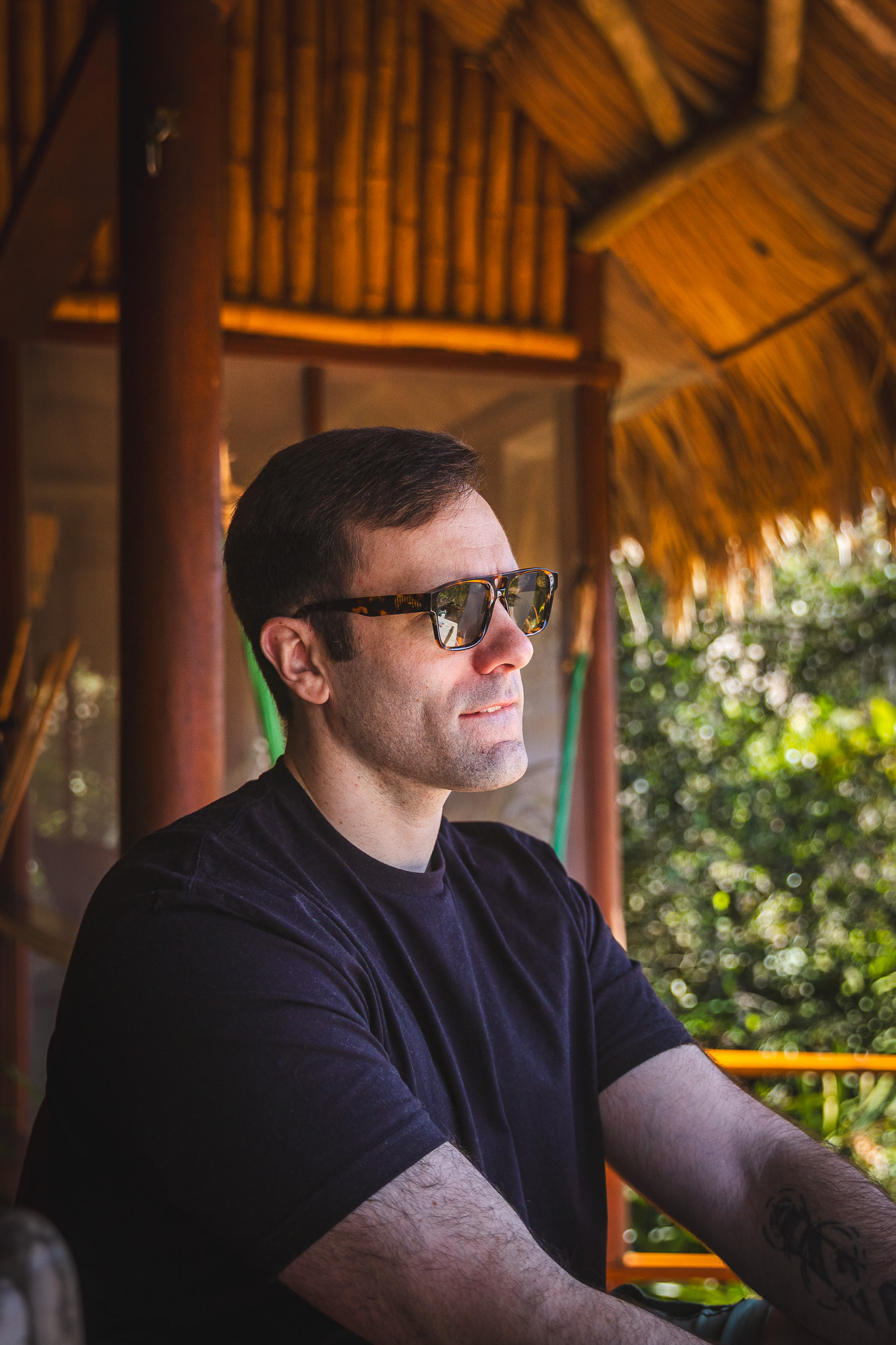
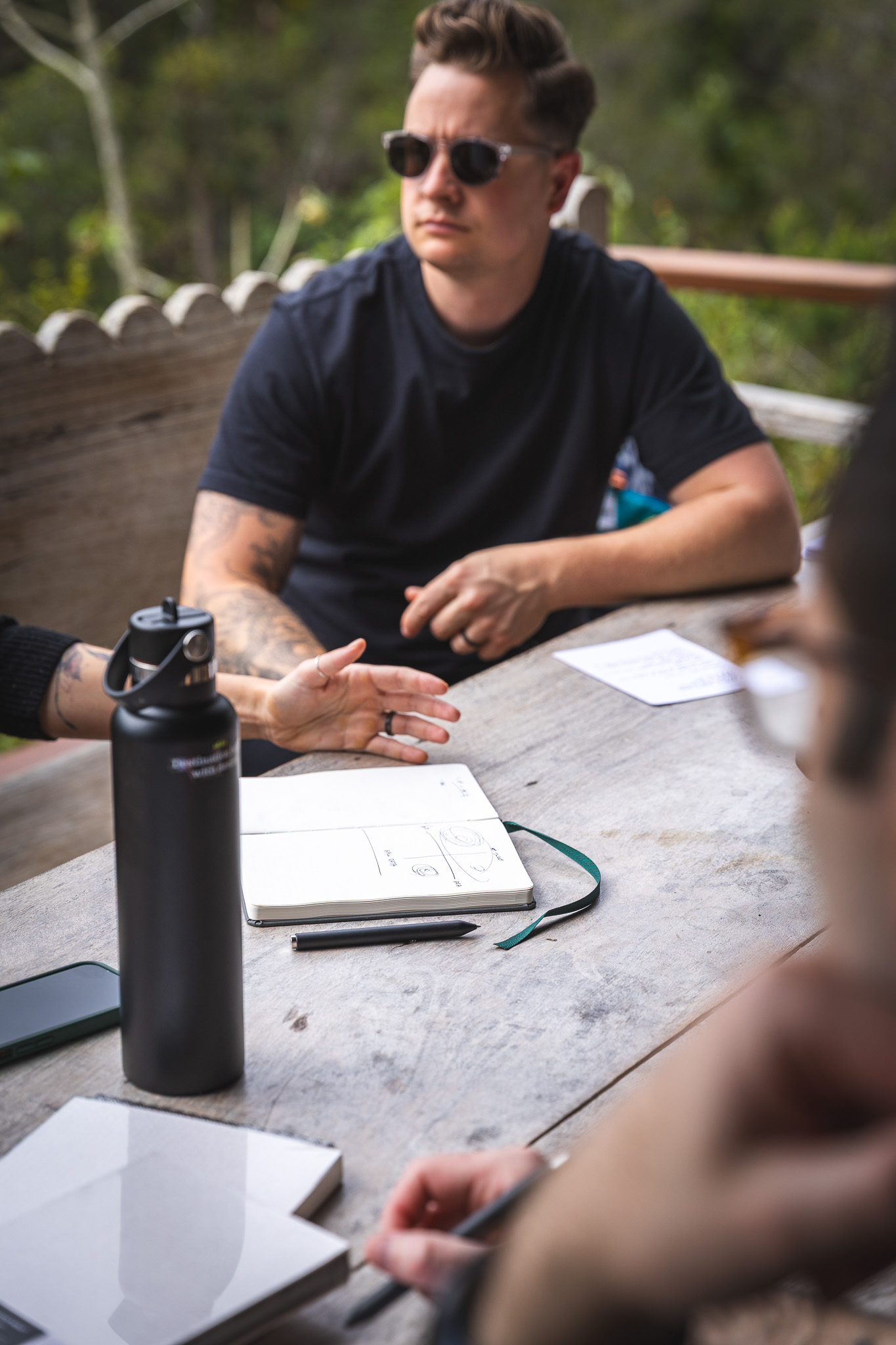
After breaking for lunch, we did Benten’s hot seat poolside. When I was prepping for the day that morning, Benten’s situation stumped me the most; I wasn’t really sure how to best help him. Benten had explained the prior day how well things were going for him. Revenue was great, profit was great, the team was firing on all cylinders, clients were happy, and the pipeline was full. He also didn’t seem to want much else other than for this to continue long enough that he could build wealth and retire early. That’s one of the trickiest situations for me to coach. Coaching is about maximizing performance. If things are great, perhaps performance has been sufficiently maximized. Like the “destination begins with desire” sticker on the water bottle, if there’s no desire, it might mean you’ve arrived at your destination, and the only work left to do is to figure out how to stay there. I told Benten that in so many words. I learned later at the end of Benten’s hot seat how infuriating that was for him. He ribbed, “Can you imagine me going back and telling my wife that I spent all this money and time to come to this retreat and all Dan said was, ‘Keep on keeping on?’” 🤣
Luckily for all of us, that wasn’t the case. I told Benten that I didn’t think he had a Worthy Goal, to use parlance from Michael Bungay Stanier’s How to Begin. Worthy Goals are thrilling, daunting, and important. I told Benten that it sounded like building and growing an agency was thrilling for him but not daunting or important. He agreed. And then, for whatever reason, he started telling us—again, for the second time on this trip—about these books he read and this museum exhibit that made him tear up. If I had to guess, he was trying to tie “daunting” and “important” to something. I won’t share much more than that—the rest is Benten’s story to tell, not mine—but we uncovered and created a new context where NOOON’s role is partially a stepping stone to where Benten wants to go next in his personal and professional mission. It’s a completely new business that serves a new audience in a way that feels thrilling, daunting, and important to Benten. I asked Claude to do a research project to understand the opportunity space and create a roadmap for getting it up and running, and Benten started working on it almost immediately. He’s a pretty even-keeled guy, but I wish we had a video recording of his session so that everyone could see him light up. It was like one of those time-lapse videos where you see a flower bloom in 10 seconds.
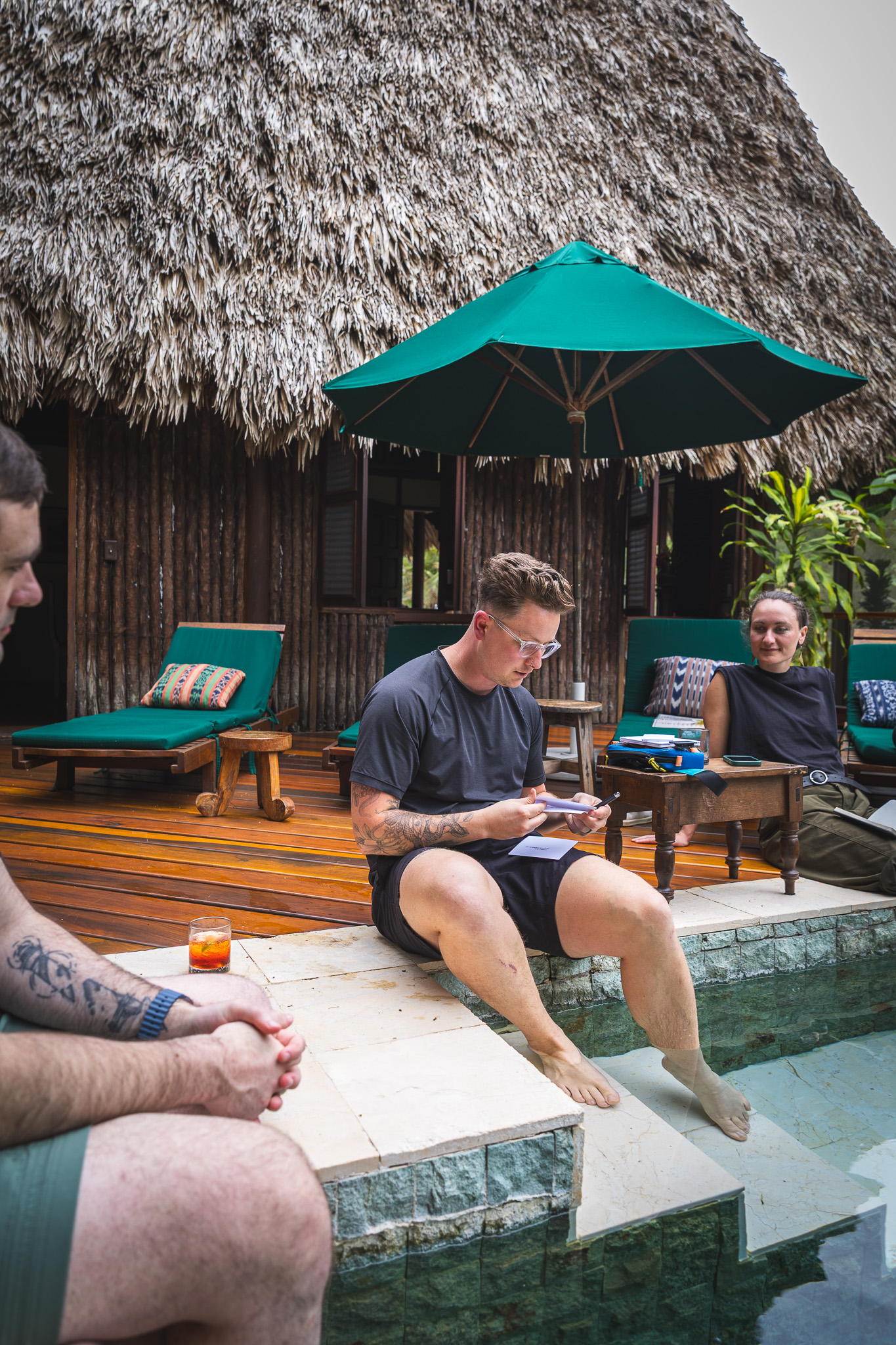
At this point, we had been going for about 8 hours, so I did an energy check-in. We still had Joey’s hot seat to go, so I asked him if he’d still like to do his today or to push to tomorrow when everyone was fresh. He—and everyone else—remarked that they were energized and still had plenty of juice to keep going. We ordered dinner to the villa and moved to the living room to start Joey’s hot seat.
He started very articulate and prepared in talking about Baseline; we all thought he was reading from something! But it was clear to me that there was some ambiguity about the future underneath it that needed to be articulated. I asked him to forget about deliverables and offers for a minute and talk about what success actually feels like. He started connecting dots he’d never connected before, patterns across every engagement he’d ever done that reframed how he thought about his entire business. I told a few stories about how we used to approach similar challenges at SuperFriendly, not to give him a blueprint but to show him what was possible. I could see his wheels turning in real time. He connected it to something he was already sitting on and landed on a direction he hadn’t considered before. We mapped out the 6 most important projects Baseline could ship this year and set deadlines for them. Joey said it was the first time in a while he had a clear picture of what he was working toward.
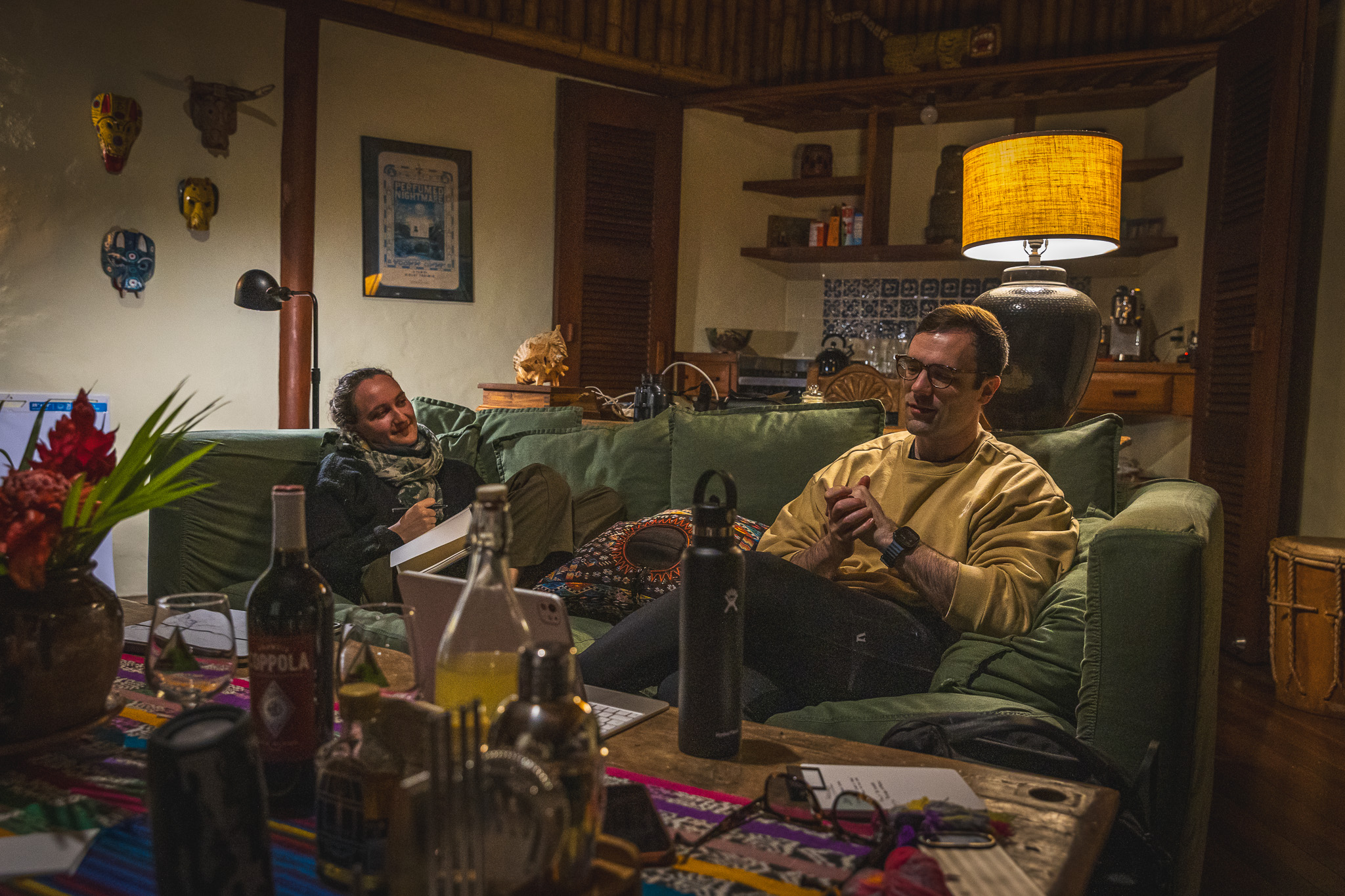
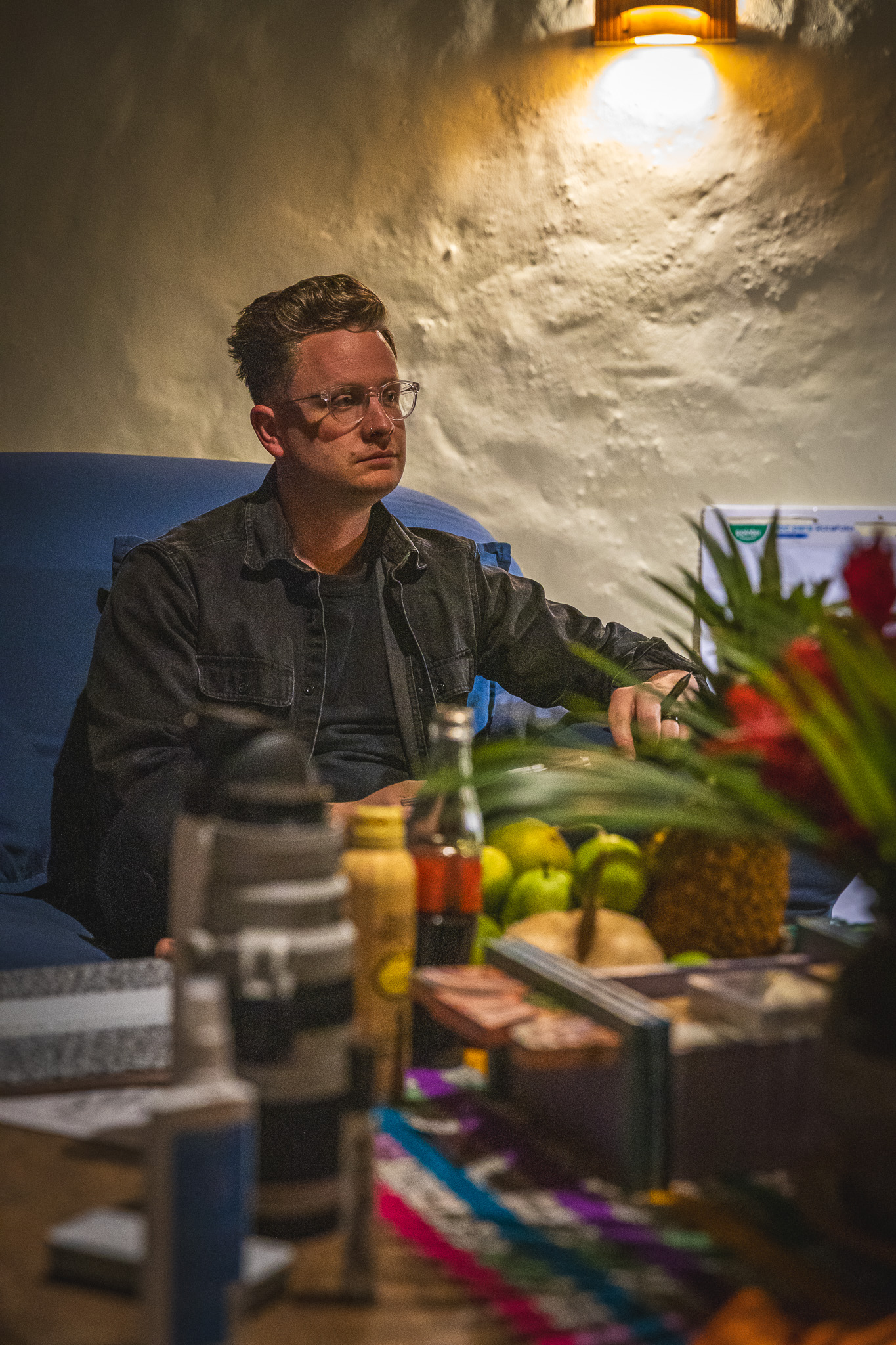
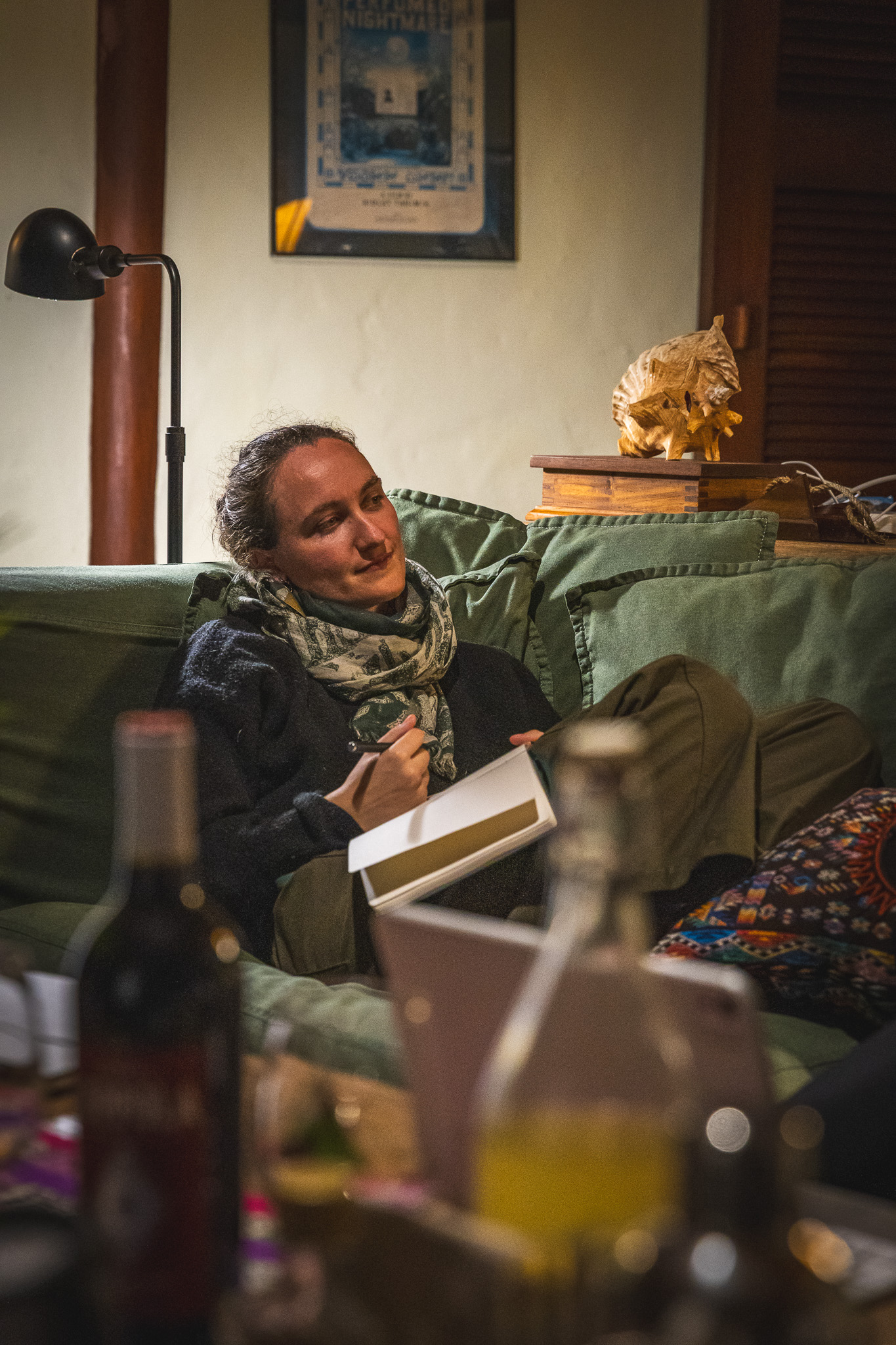
I have no idea what time we finished, but I know that the moon was up, the stars were out, and we were all starting to fade. We’d been going for at least 13 hours at that point, so it was probably time to call it a day.
I gave them one last prompt for the day: pick some important puzzle to think about right before bed that your subconscious can work on while you’re sleeping. With that, they all went back to their rooms for some well-earned rest.
As I was reflecting on the day while I was dozing off, it struck me just how emergent sessions like these are. I didn’t know where we’d end up with each person, and I certainly didn’t have a deliberate plan to get there. It dawned on me that each person had multiple epiphanies throughout the day and they each needed something different to get there. Gabby needed direction and permission. Benten needed coaching. Joey needed mentorship and producing.
I needed sleep.
The Ridge (Day 4: Wednesday, February 25)
The previous days were very structured, so the remaining days were pretty loose. Out of the hot seats, I encouraged everyone to do what their instincts suggested next. If you need to write, go write. If you need to build something, build it. If you wanna talk something out, come find me and we can workshop or even just rubber duck. You’ve collected a lot of inputs over the last few days; now go express it somehow.
They each did their own thing for a bit. Then they found me and we spent some time workshopping some marketing strategies for each of them.
One of the most important jobs I think a CEO is responsible for is creating a culture that is unique to your company. I love how Seth Godin explains culture: “People like us do things like this.” I think travel is one of the most poignant examples of this: you can directly observe how many definitions there can be for “people like us” and how varied “things like this” can be too. And yet, no matter how many permutations, to them, it’s always “normal.” That’s culture.
So, whenever I travel, I make it a point to experience at least one local thing. How do they dress? How do they talk? Where do they go? What do they do? And probably my favorite question: what do they eat?
We took a field trip to the San Ignacio Market, an open-air market in western Belize’s Cayo District, widely considered one of the most authentically local markets in the country where residents do their weekly shopping for fresh produce, traditional foods, handmade crafts, and household goods. We shopped for souvenirs and had lunch at Cenaida’s: rice and beans, beans and rice—yes, rice and beans is a different dish than beans and rice in Belize—stewed chicken, and more.
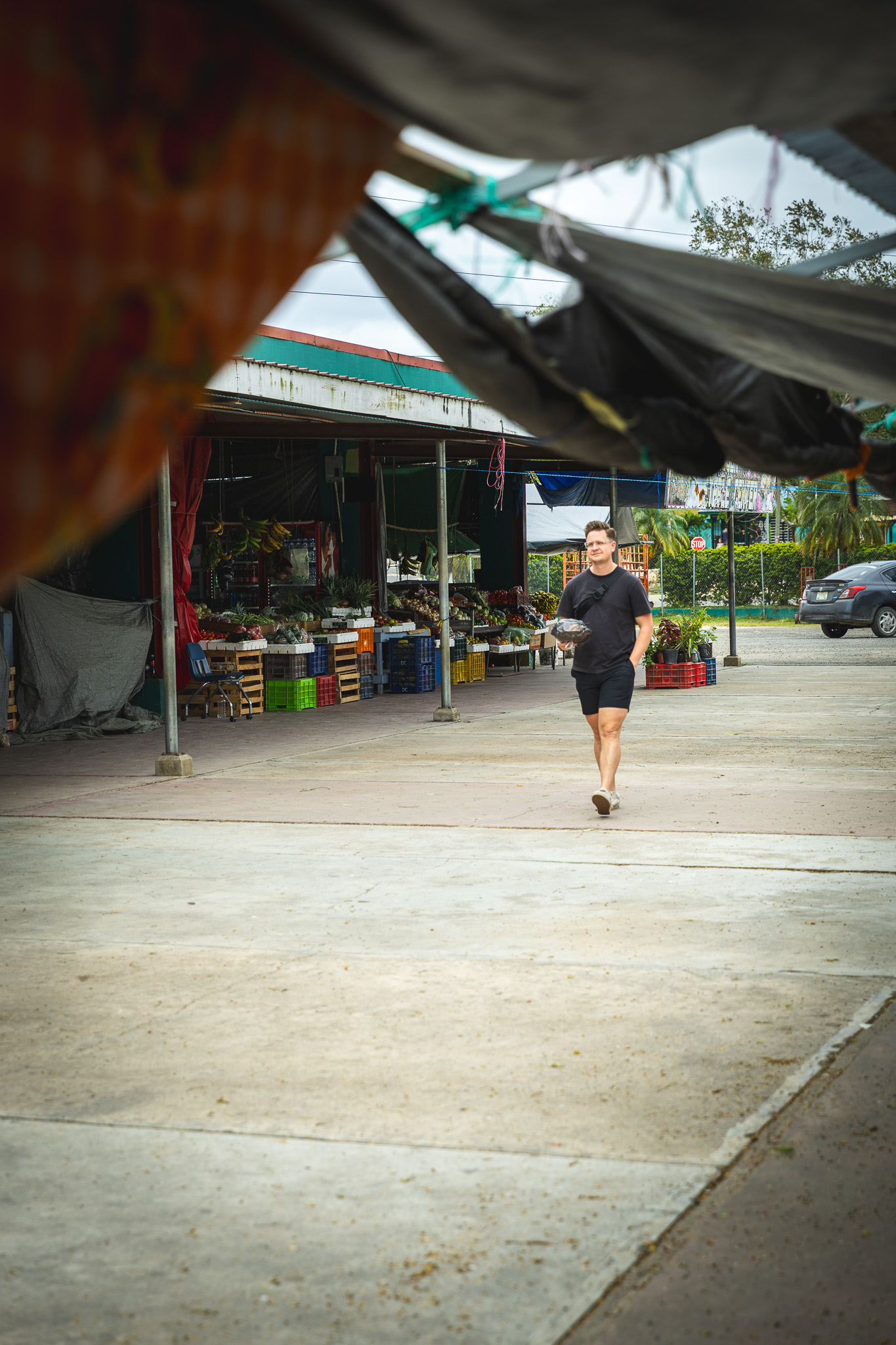
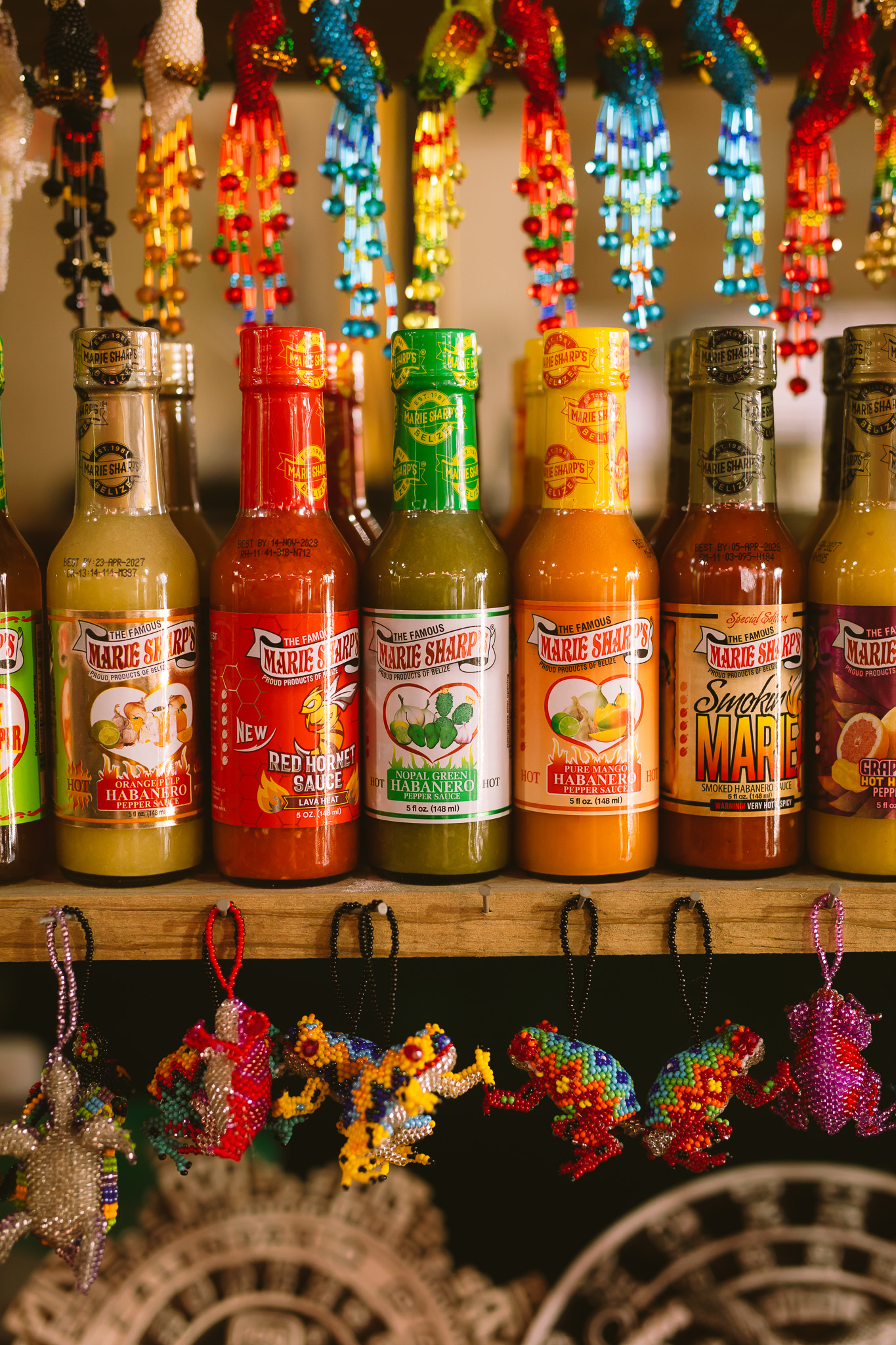
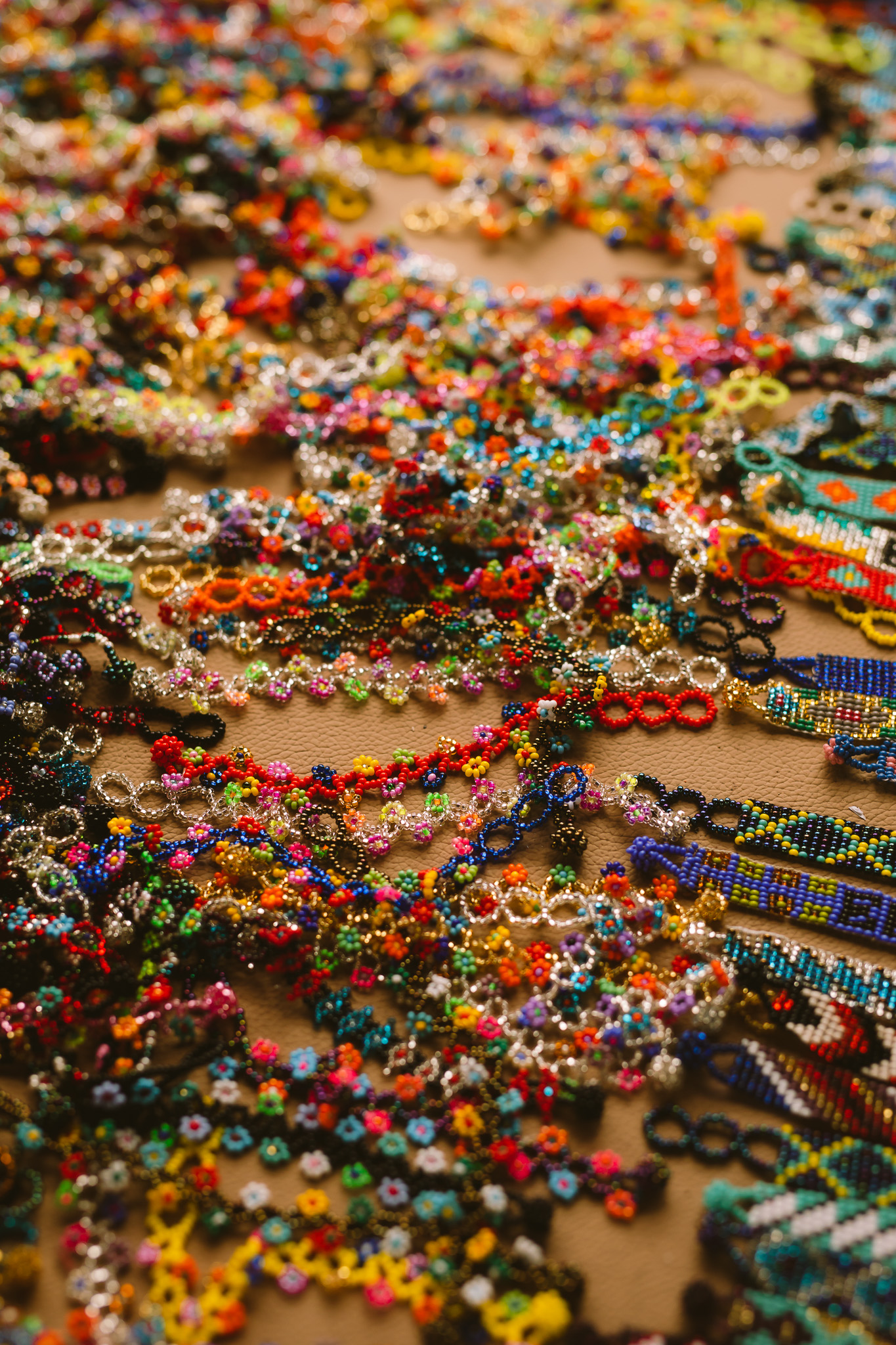
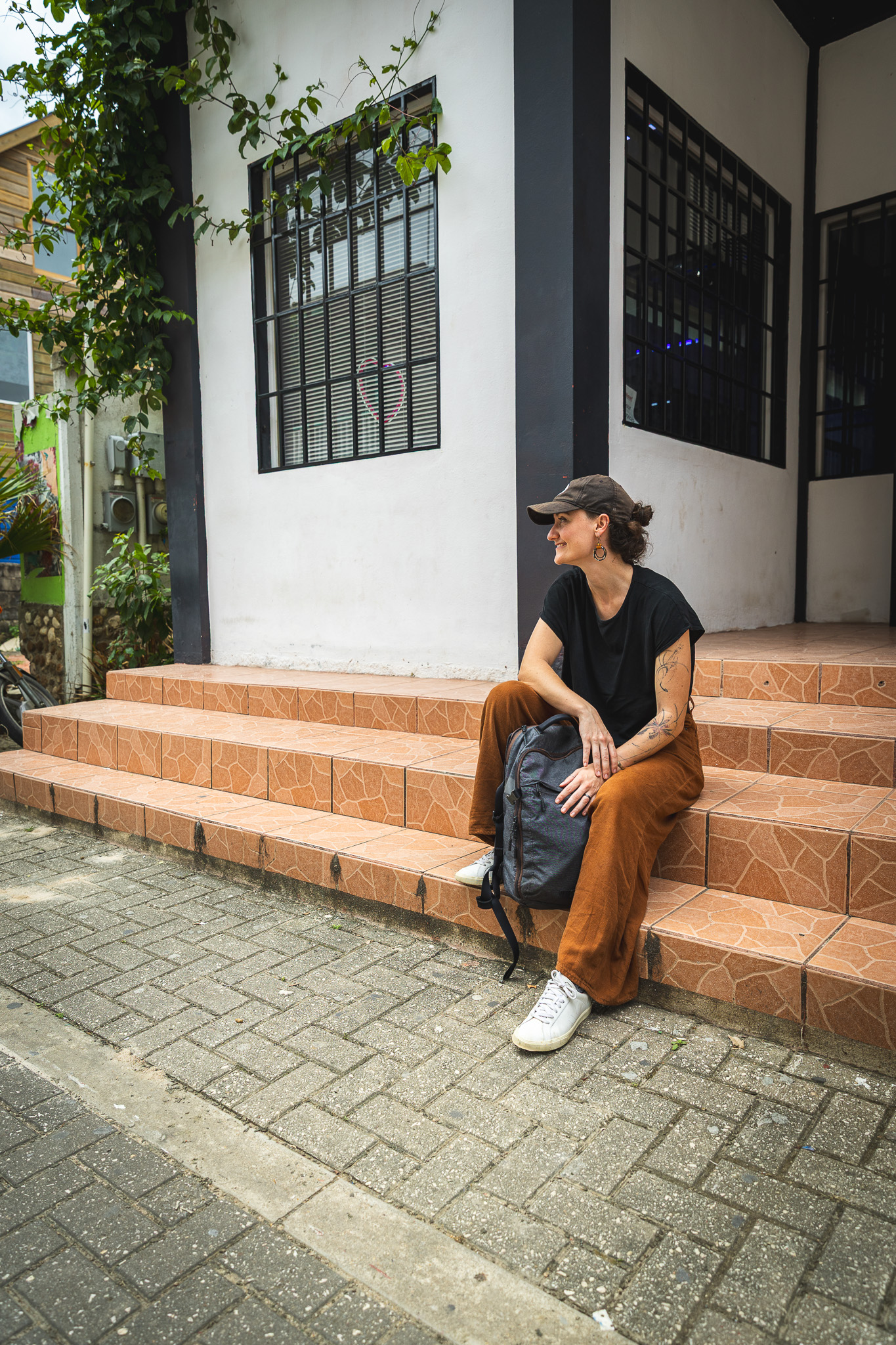
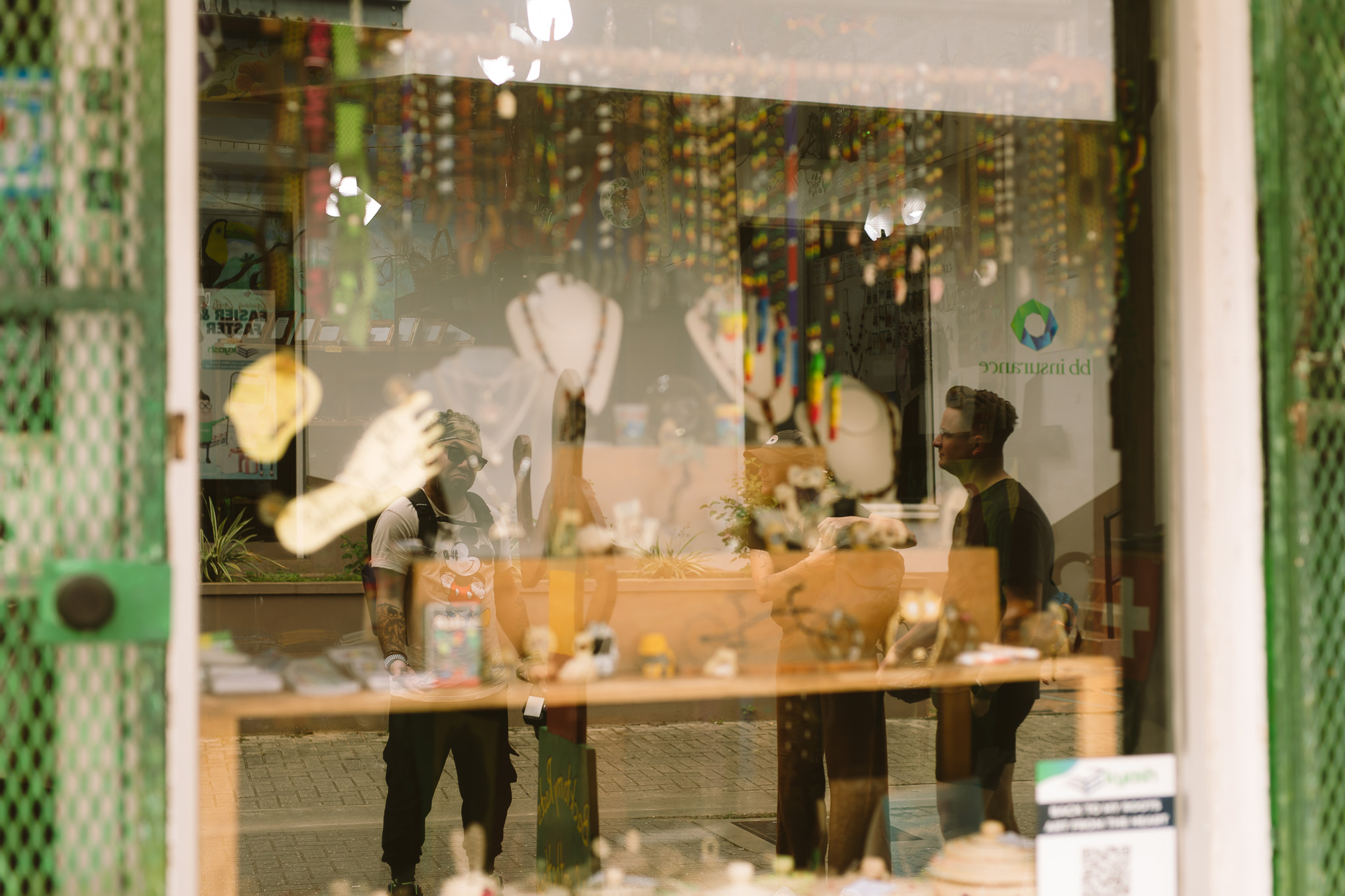
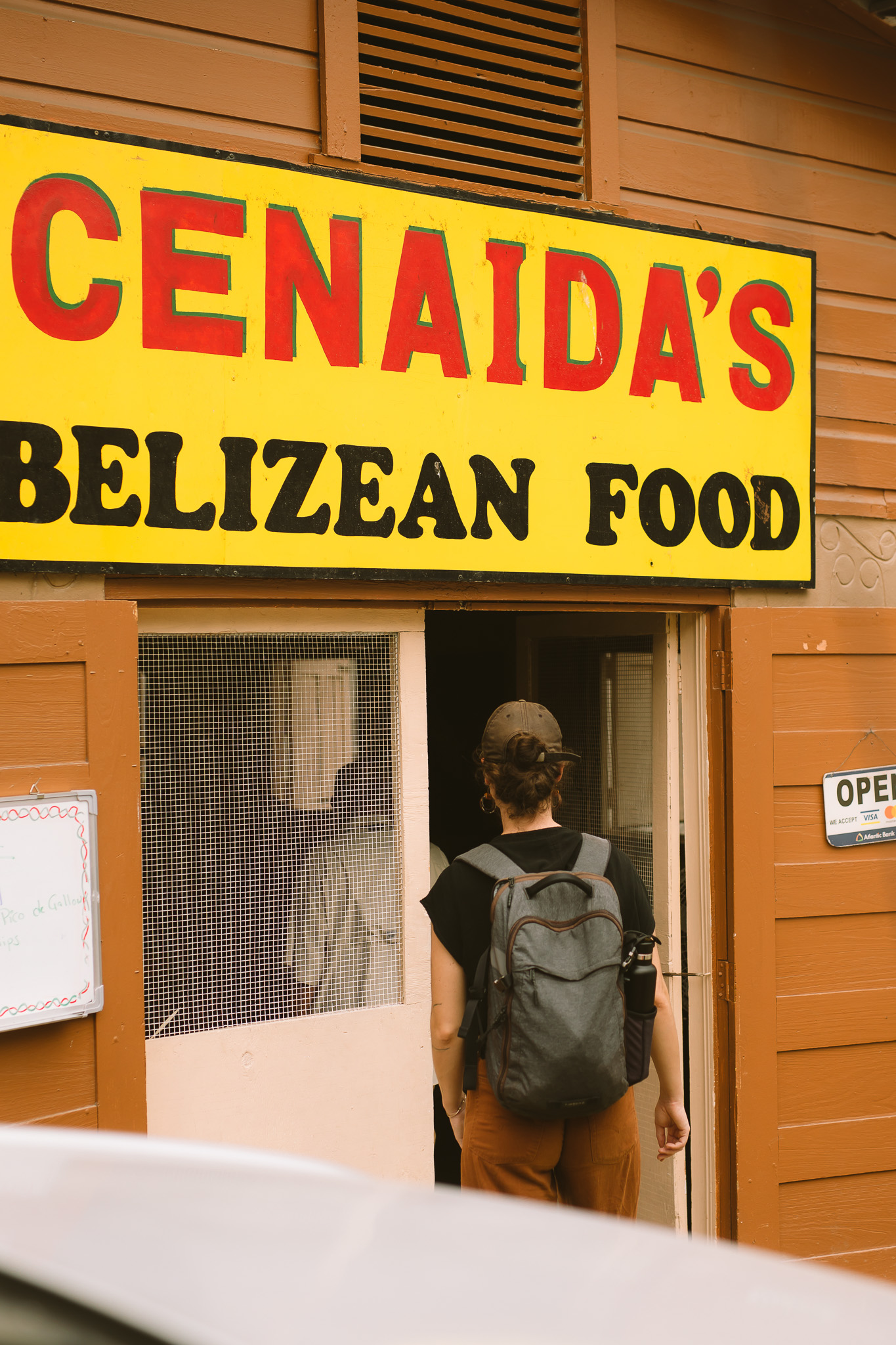
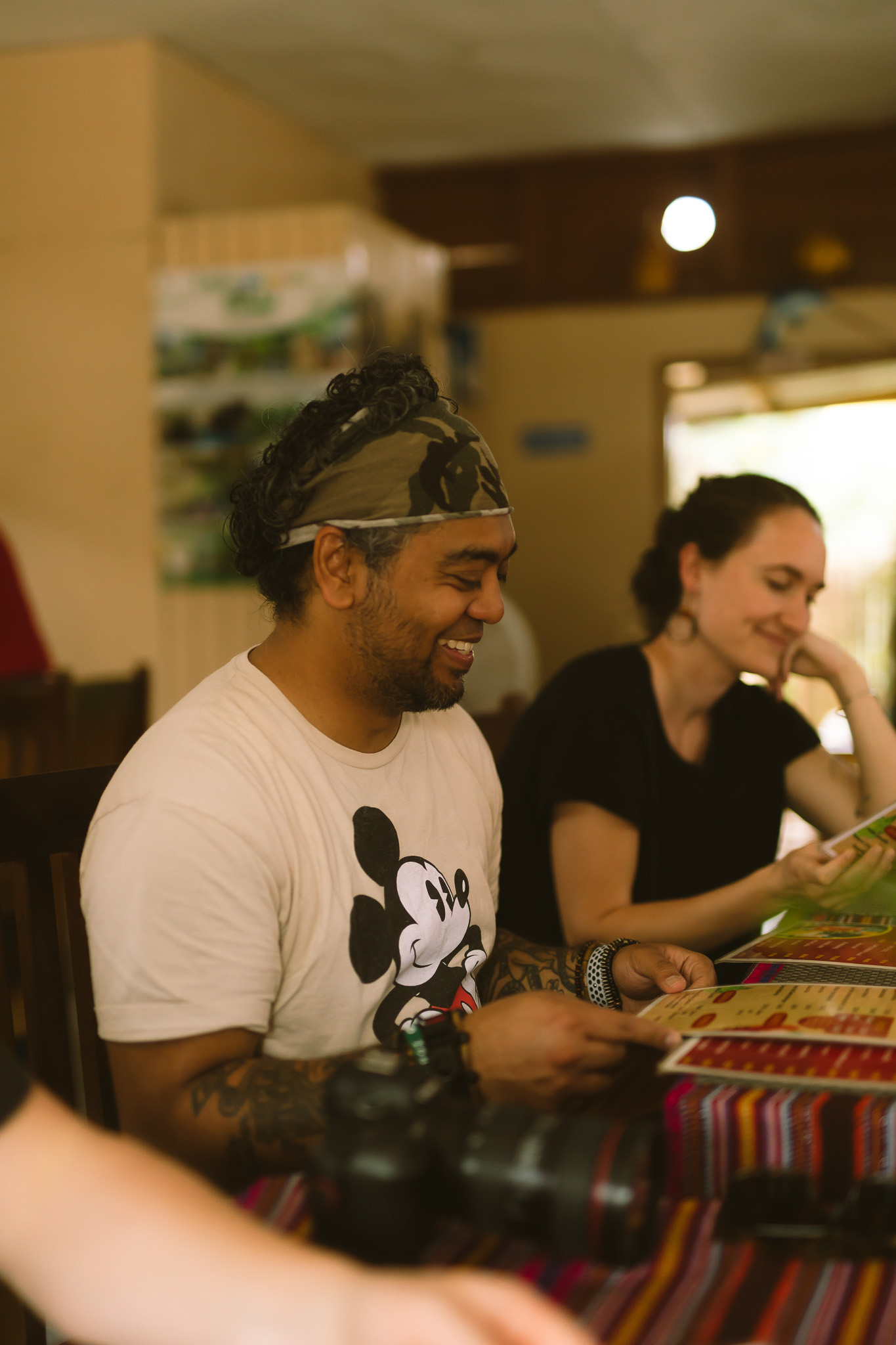
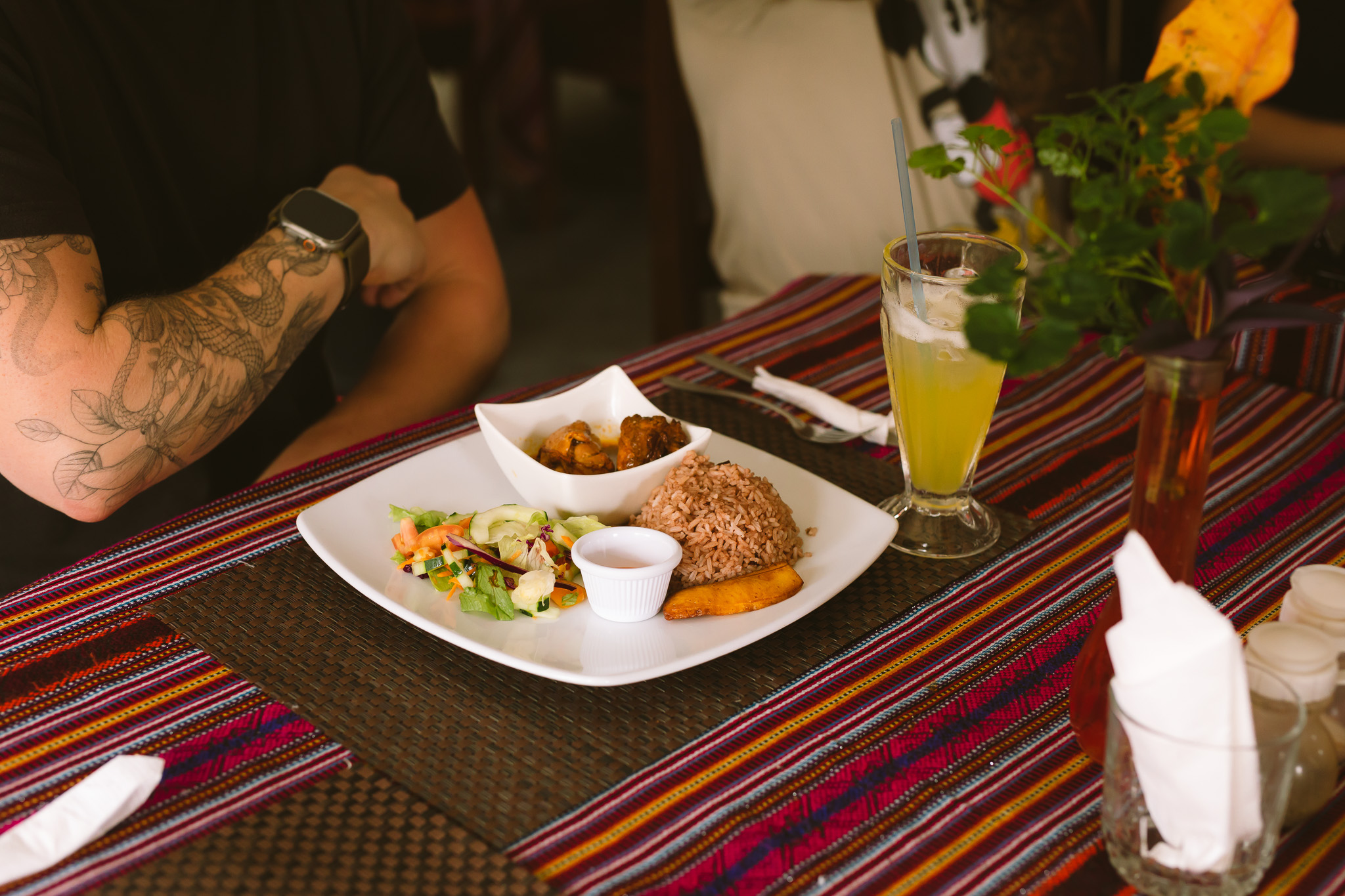
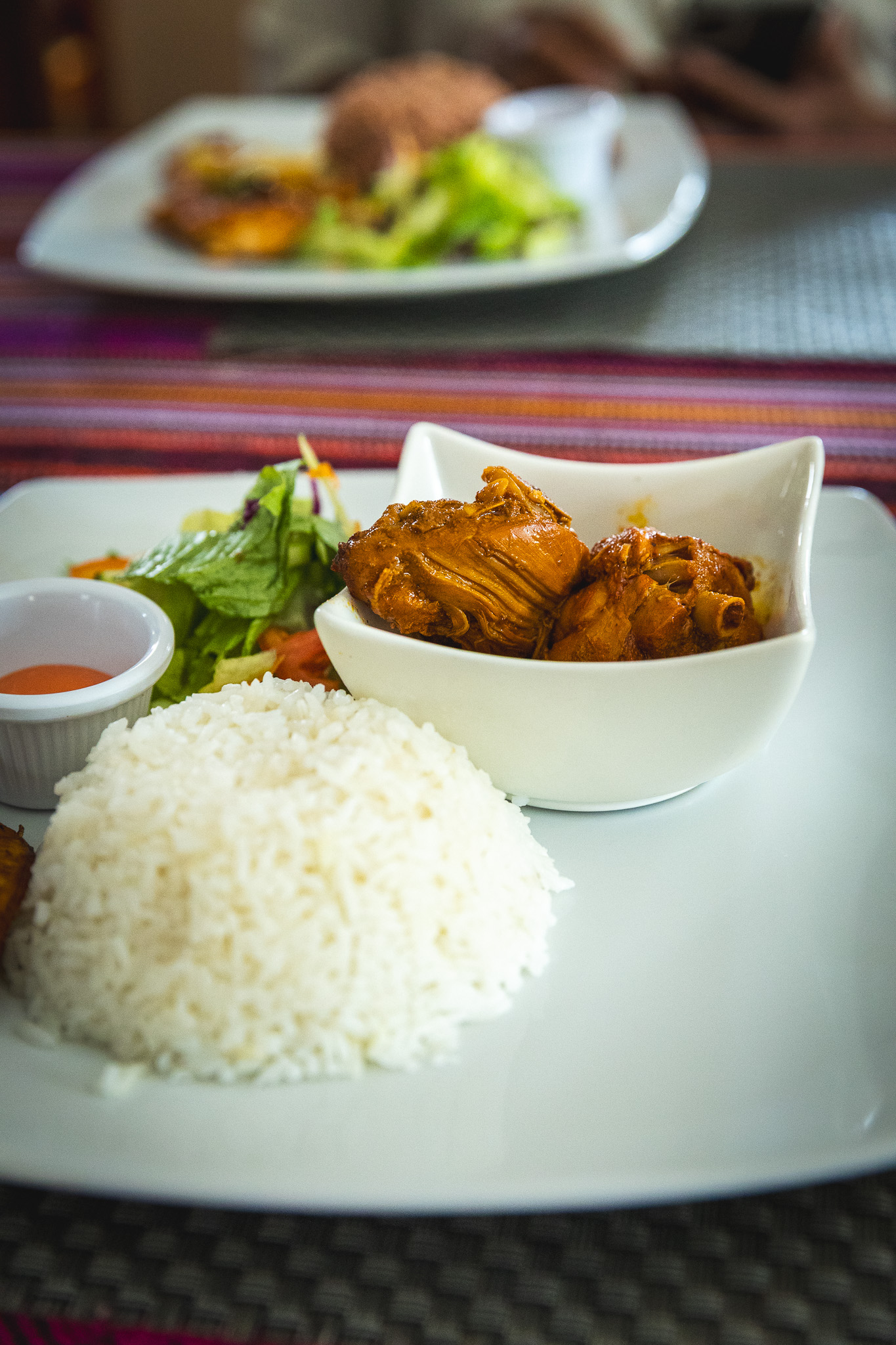
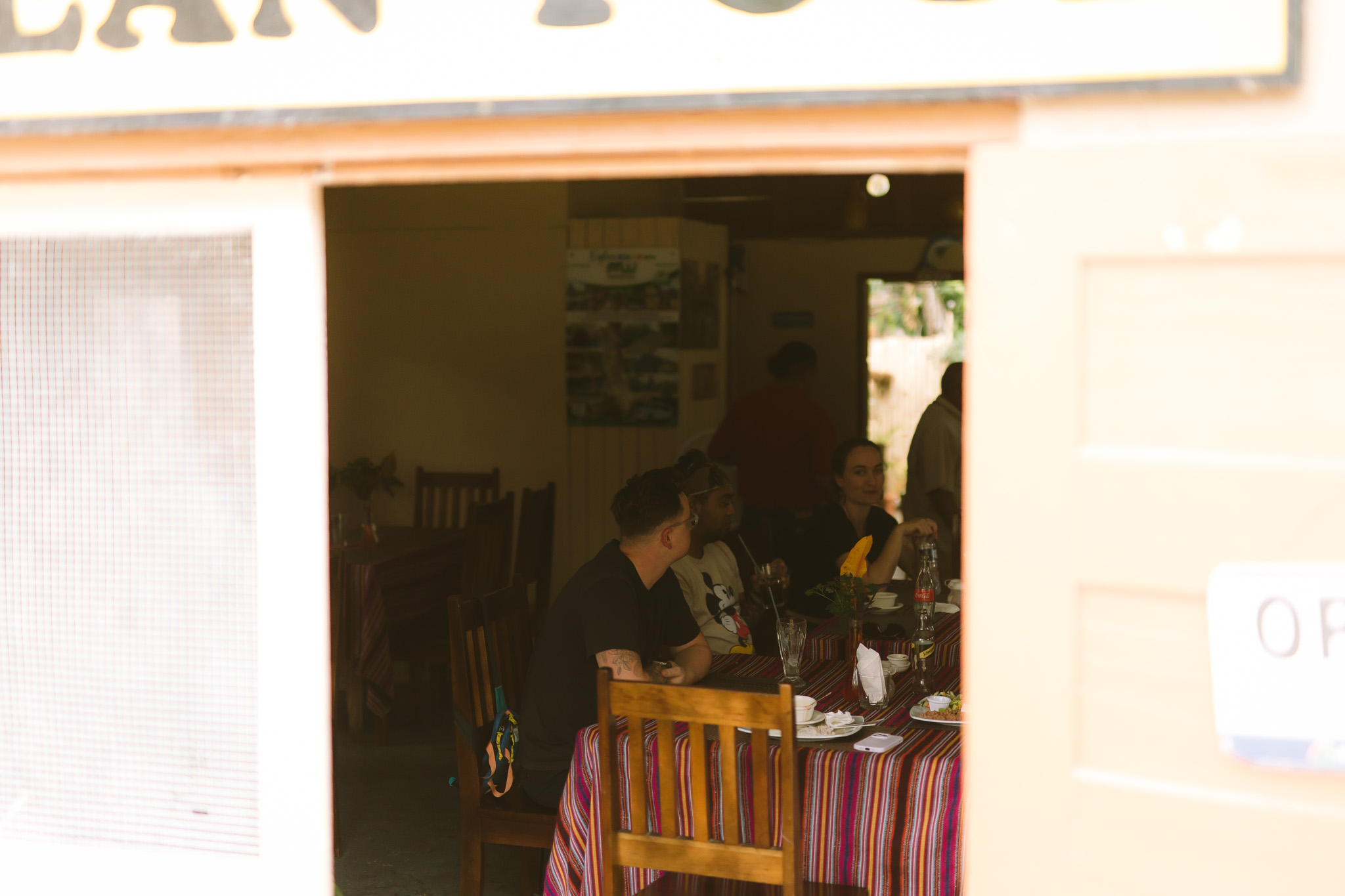
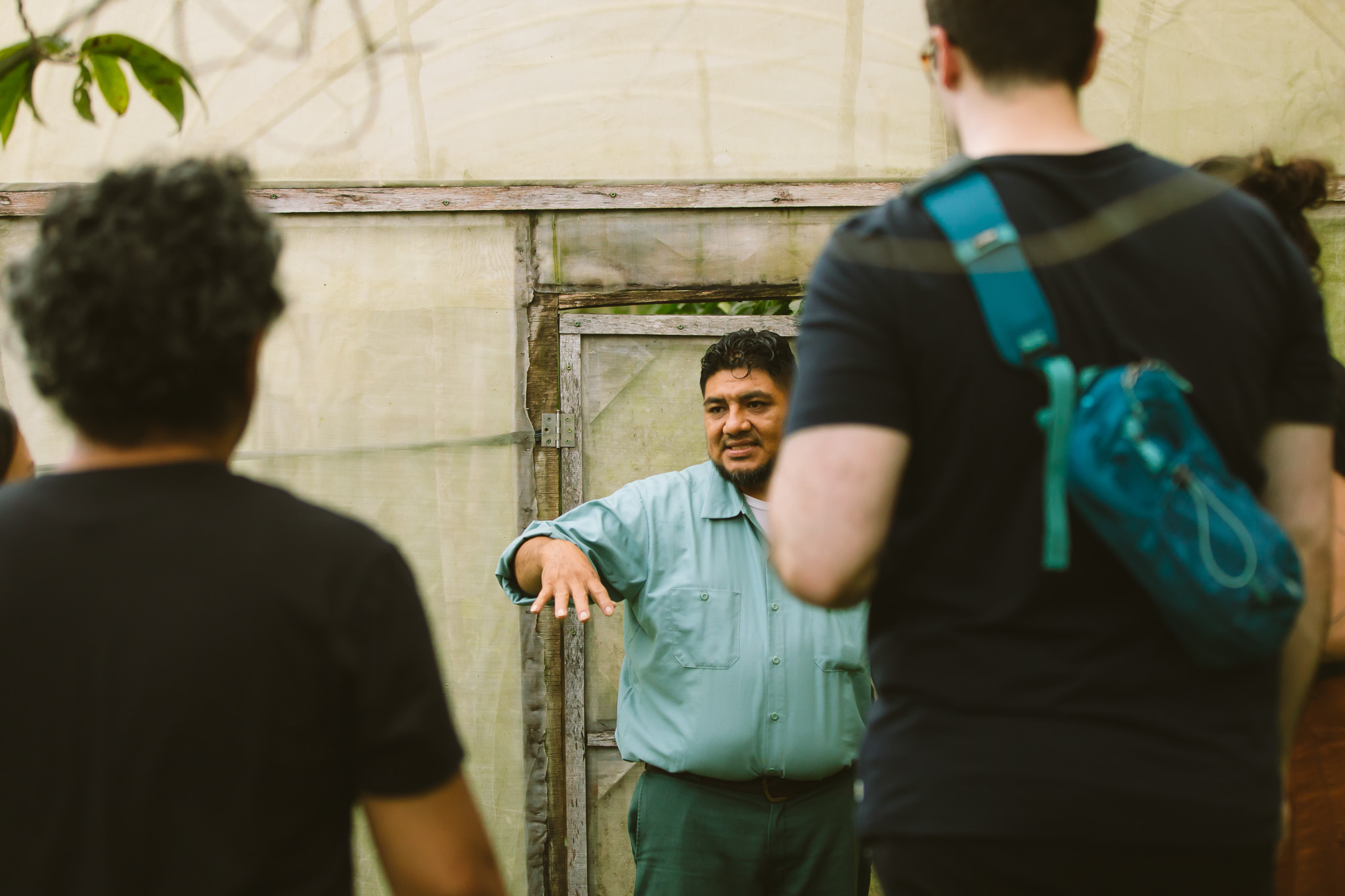
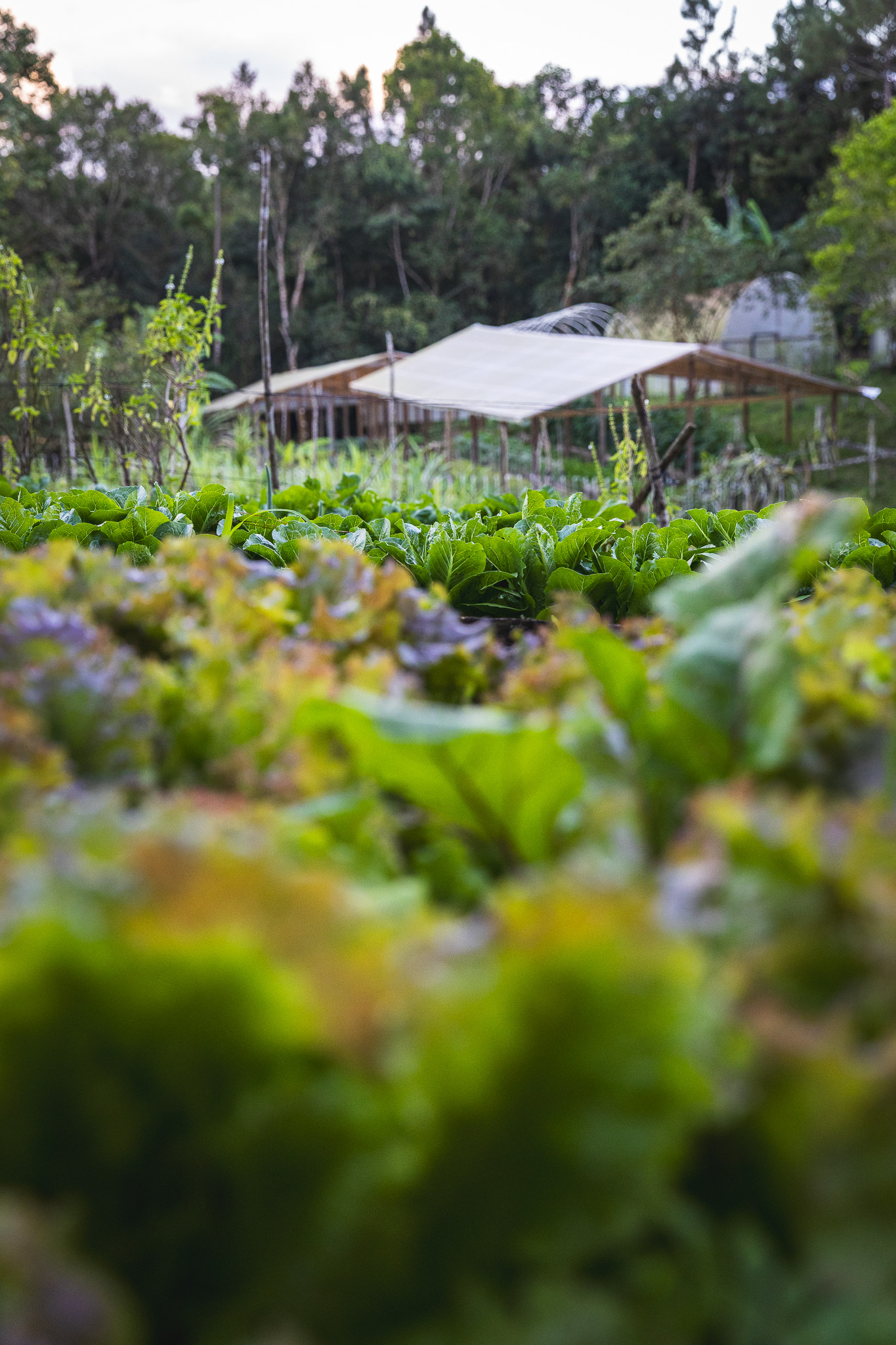
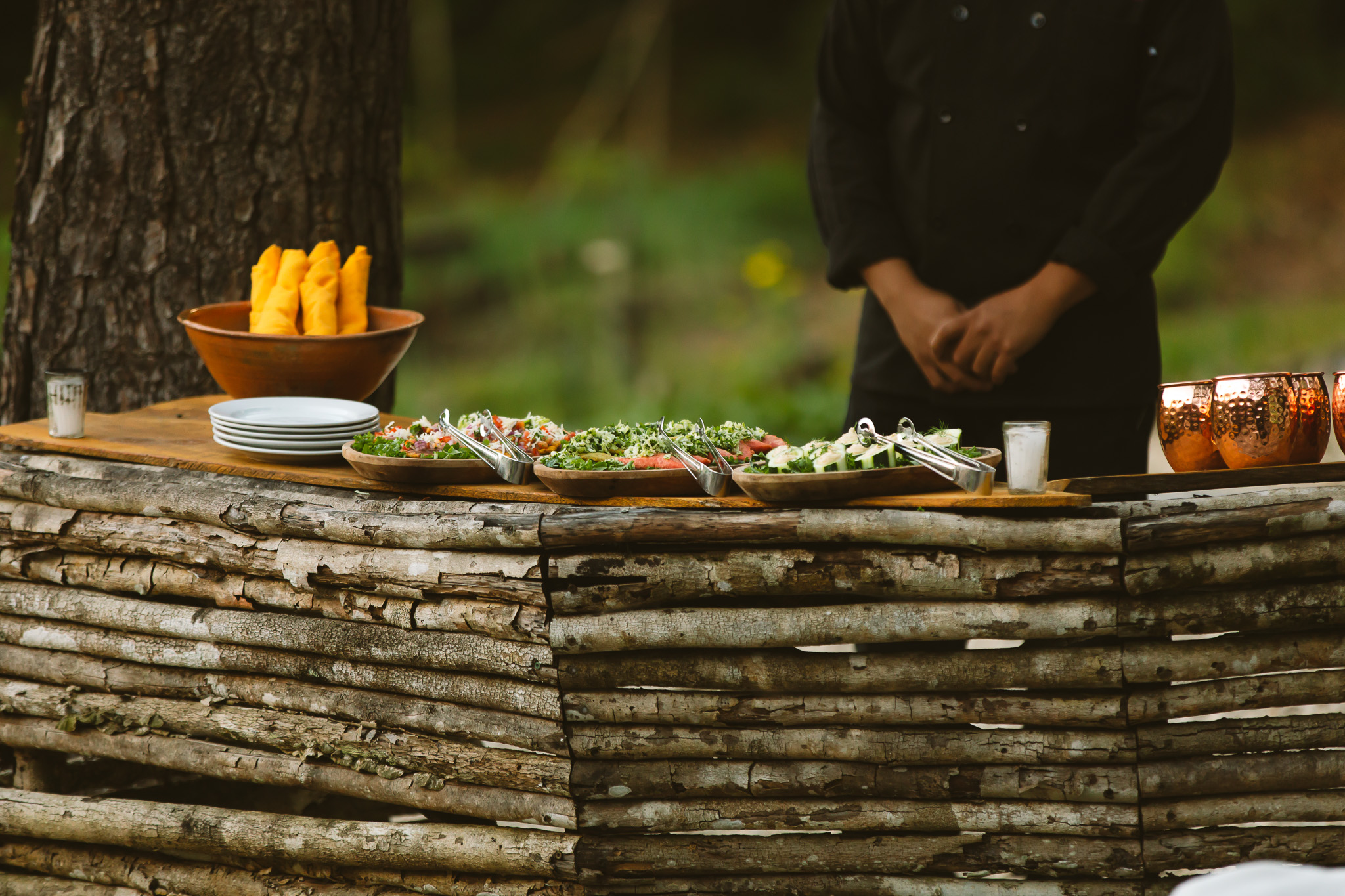
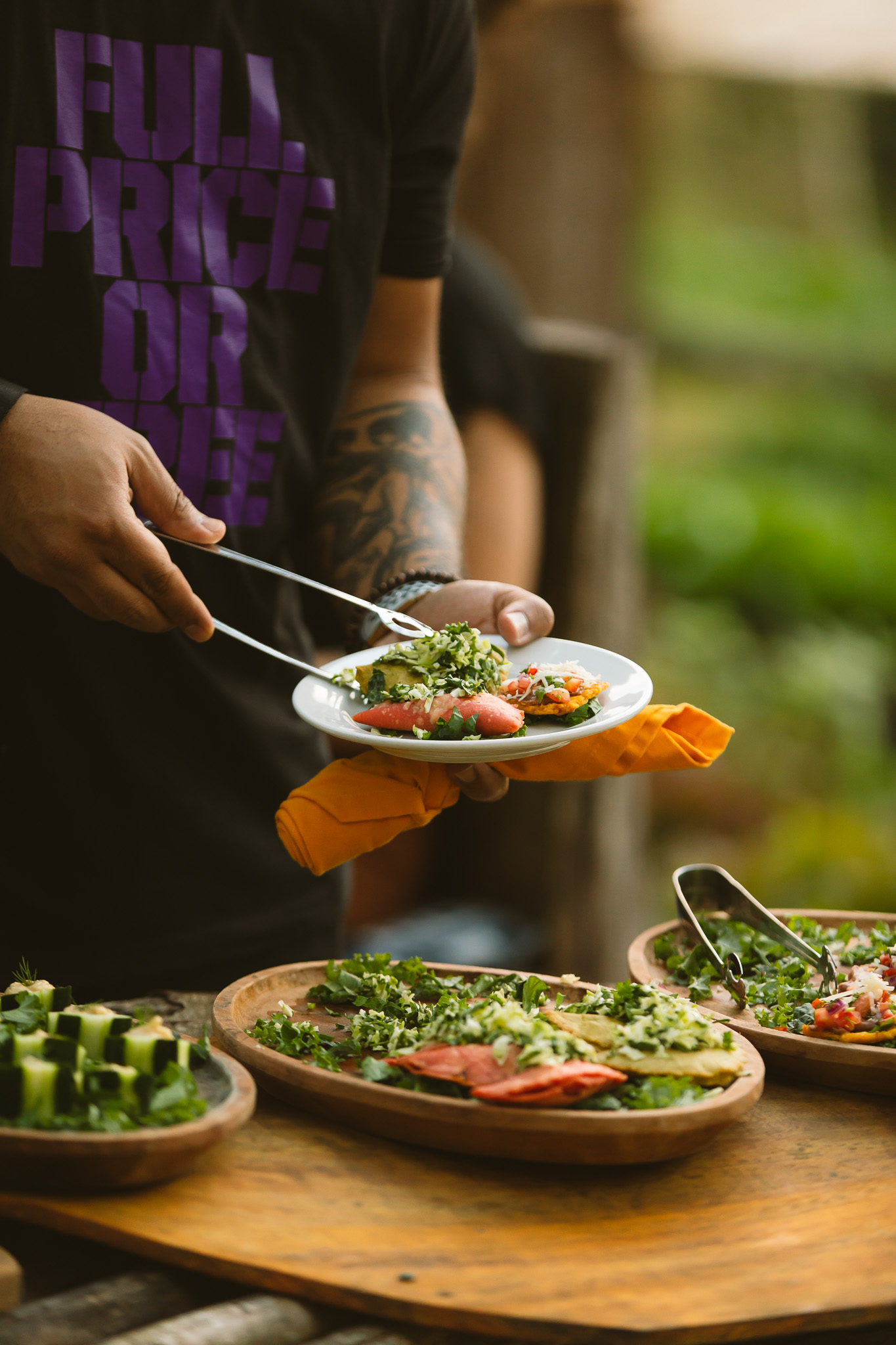
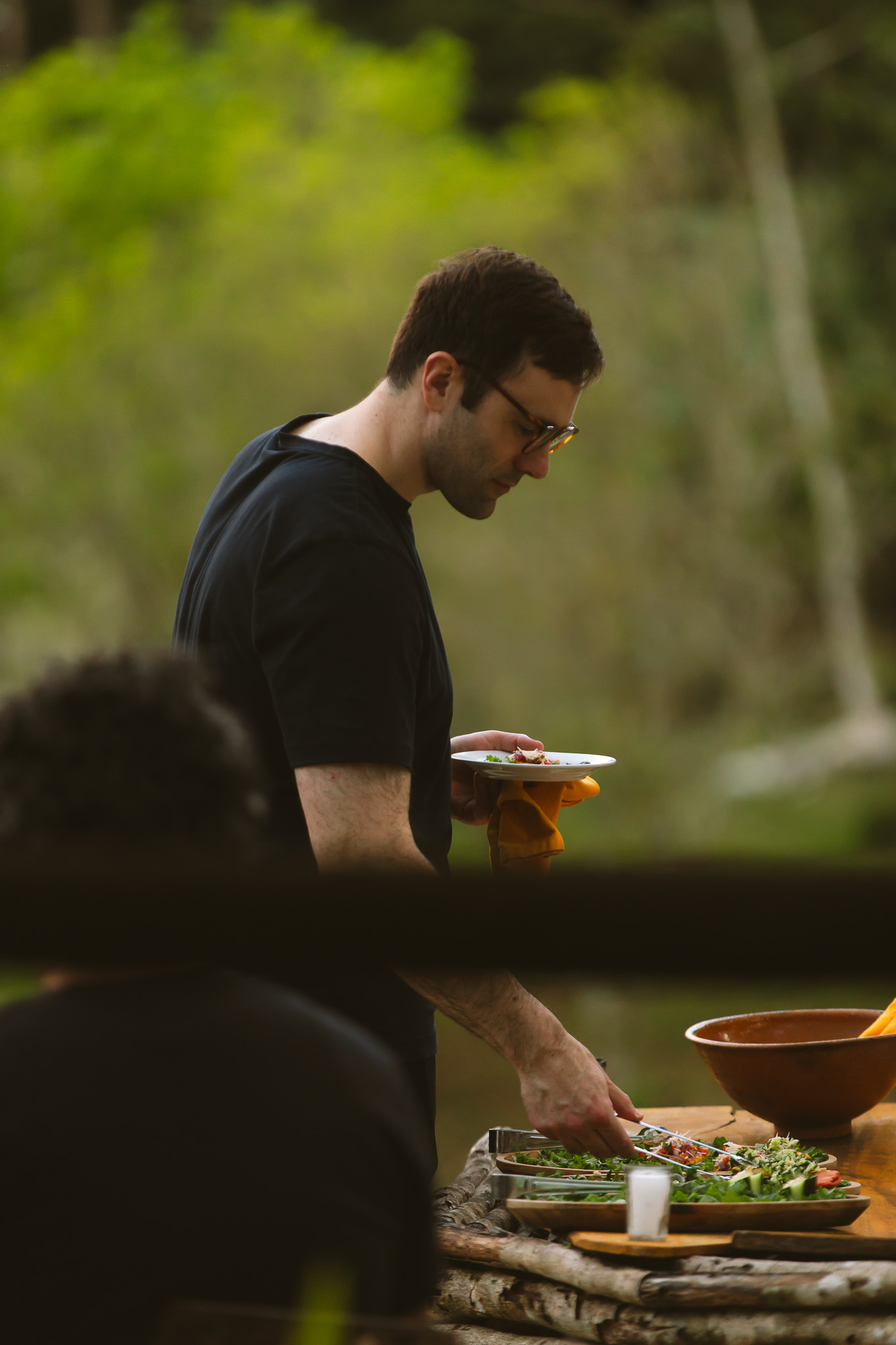
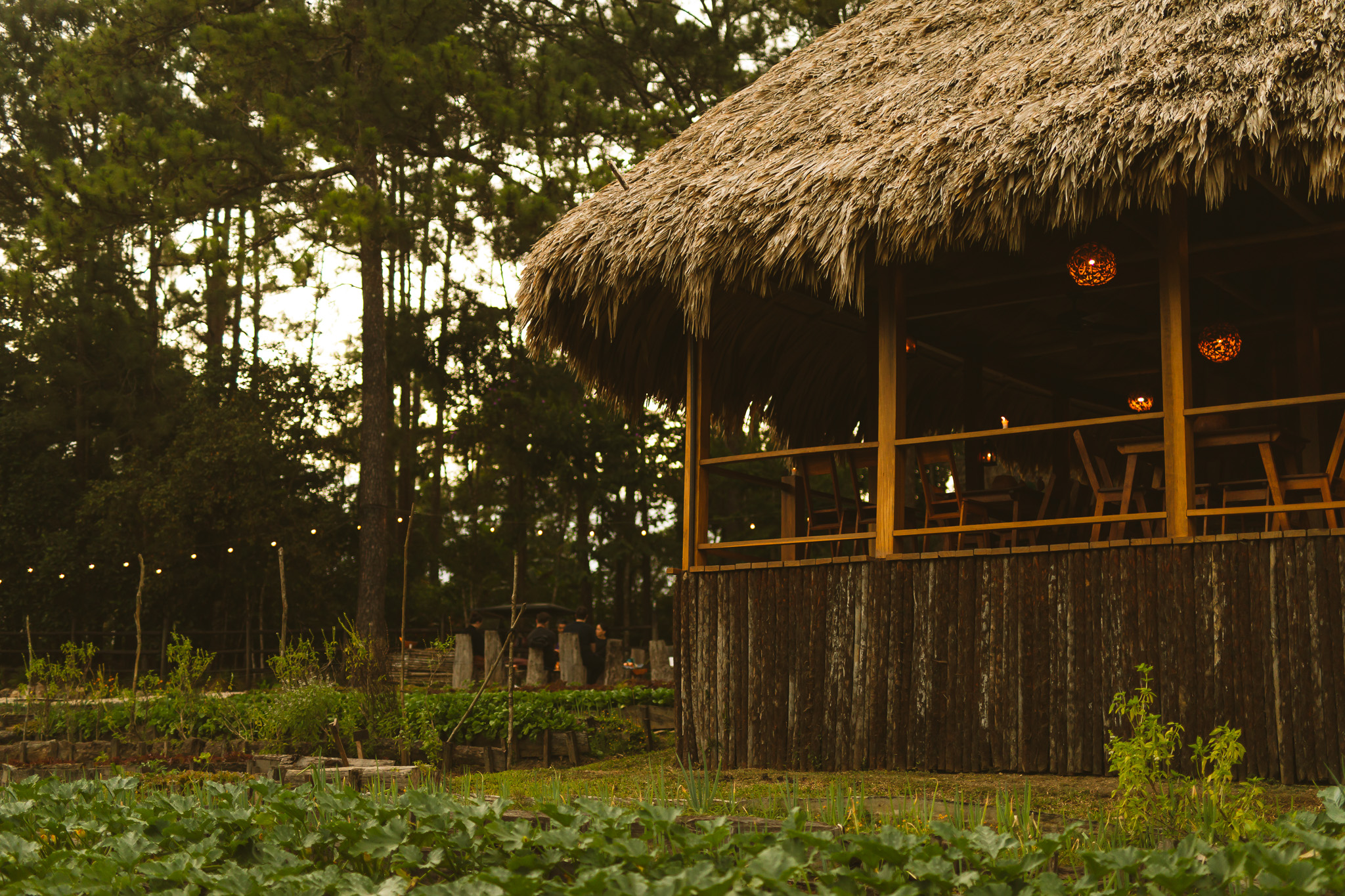
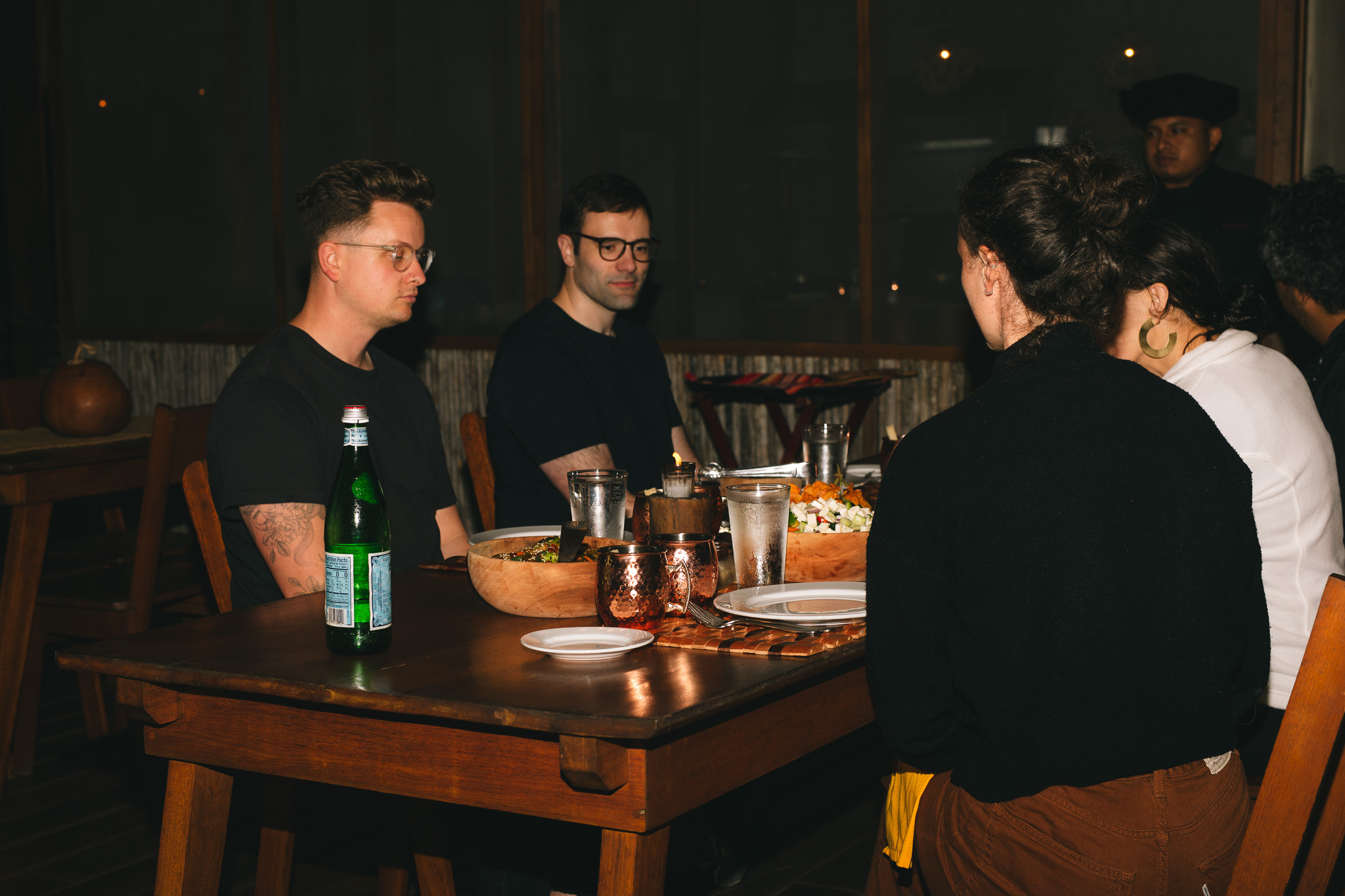
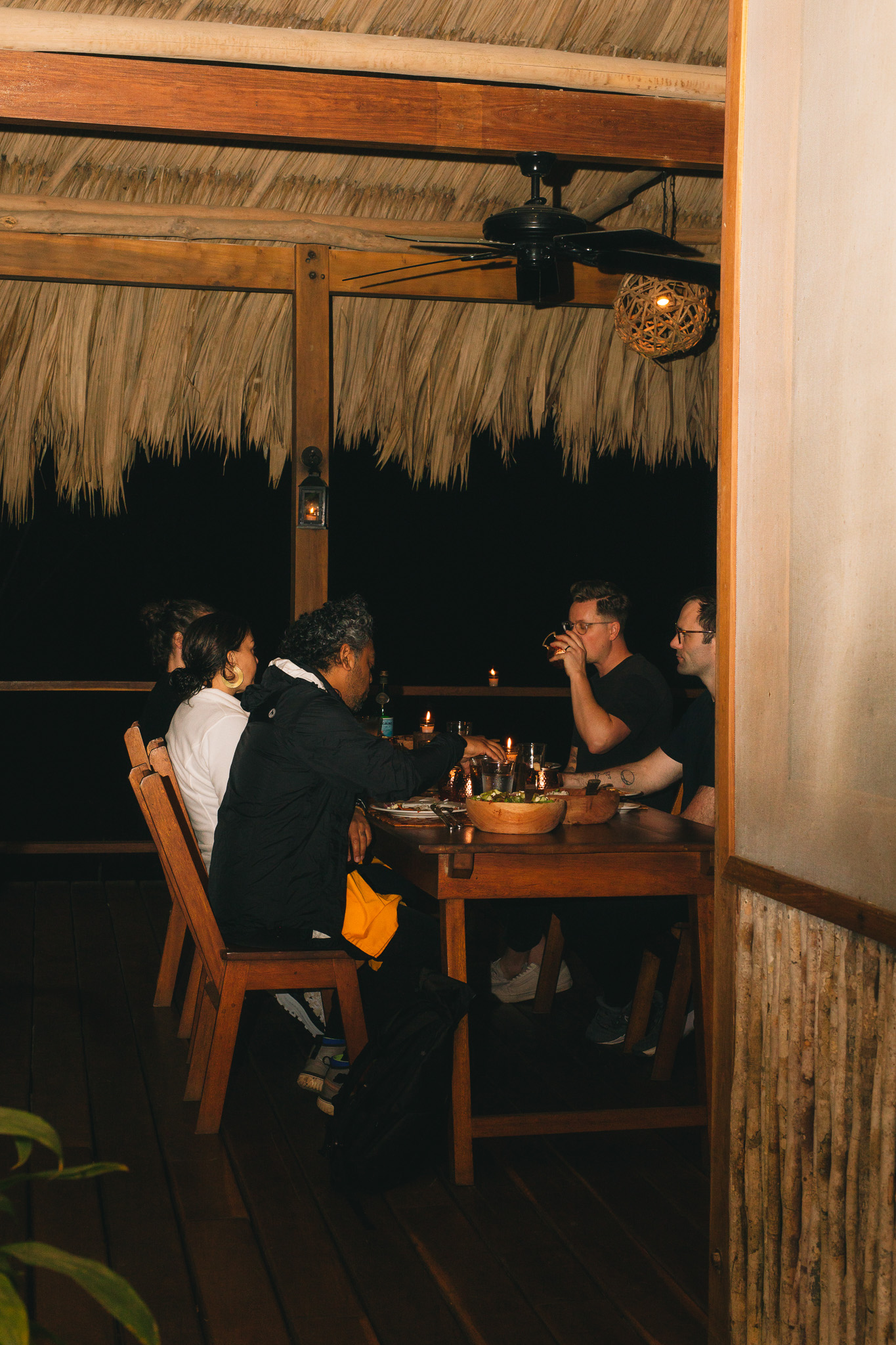
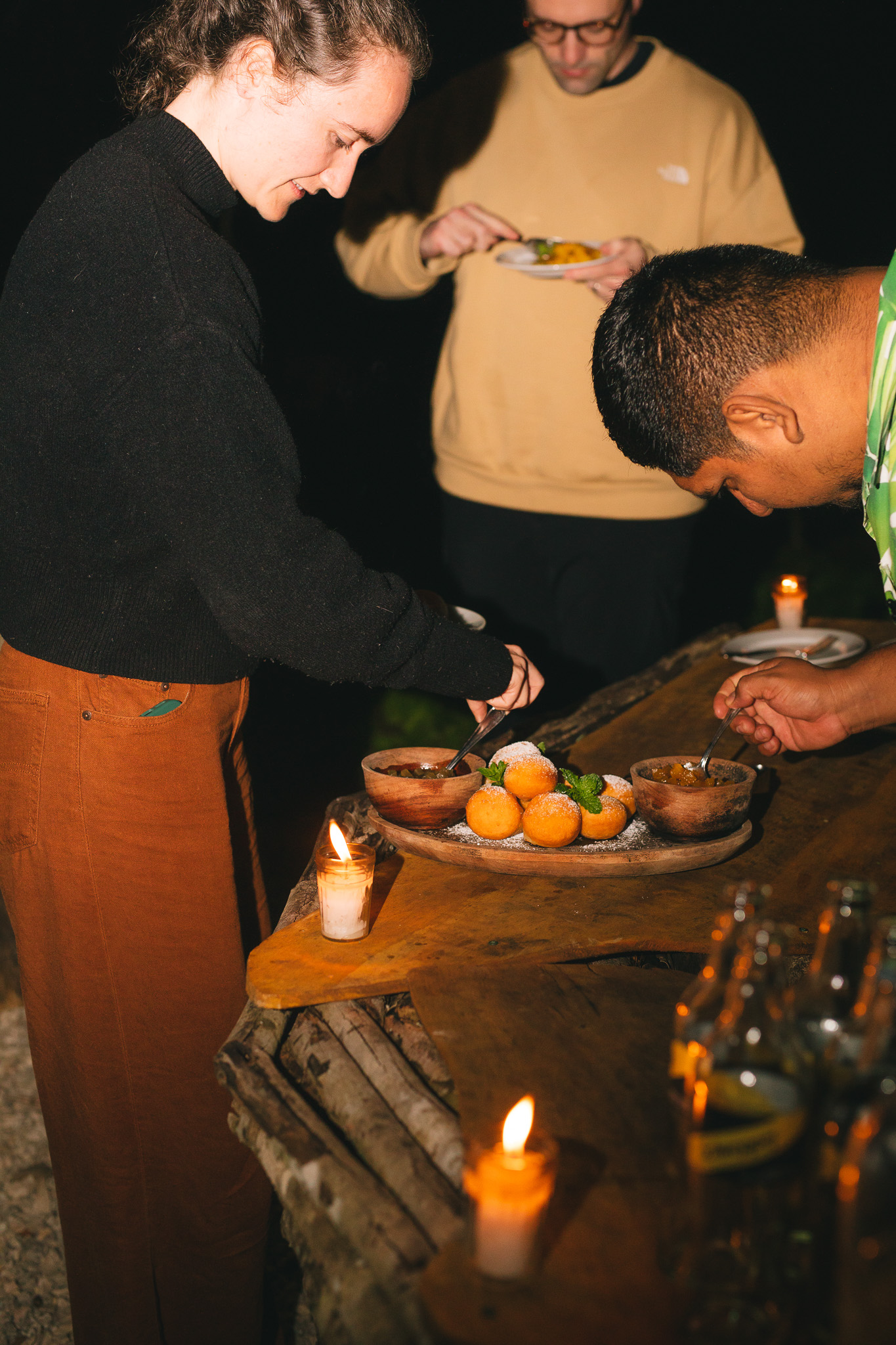
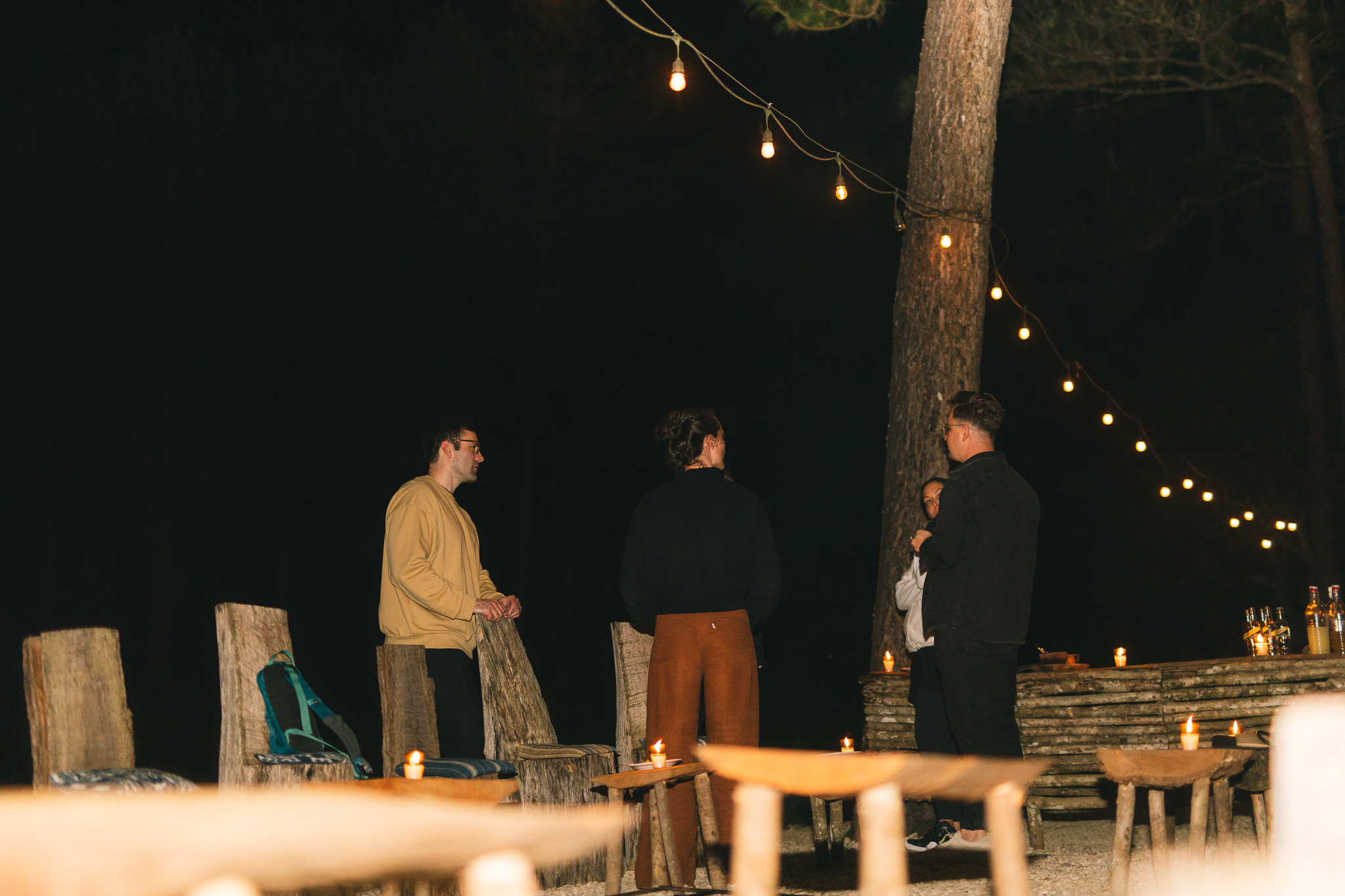
After some individual time and a short stint in the hot pool, we got ready for dinner. Osmani organized a private dinner for us at Blancaneaux’s garden, where they grow all of the vegetables and herbs that they use in their restaurants. The evening started with different flavored mules as we got a tour of the garden from the head gardener. We heard about their advanced composting processes, saw all of the different equipment they’d rigged up to protect the produce from the animals and elements, and played some guessing games and taste tests to identify less typical varieties like soursop, annato, and so much more. It was inspiring to hear from someone at the top of their craft.
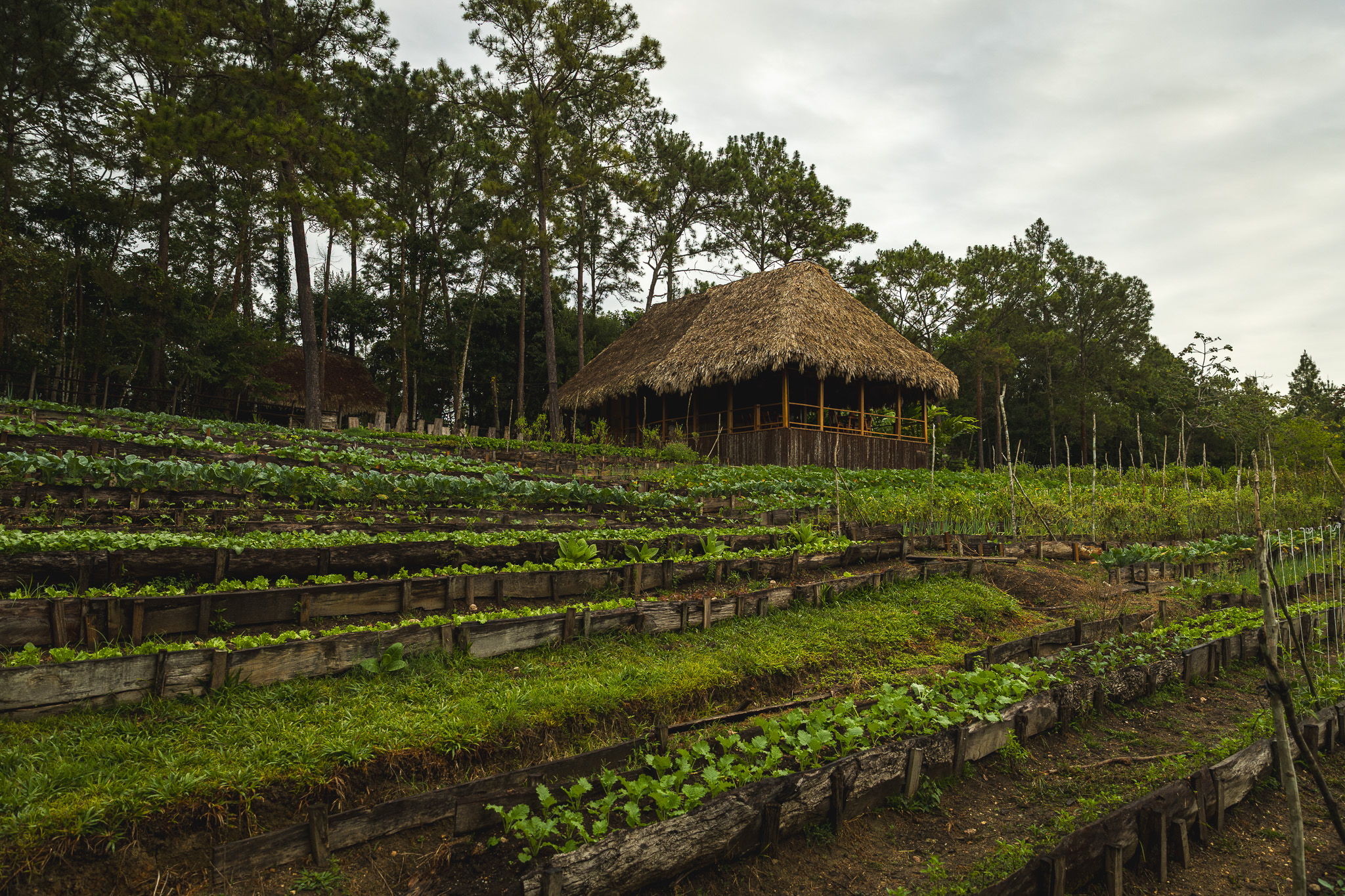
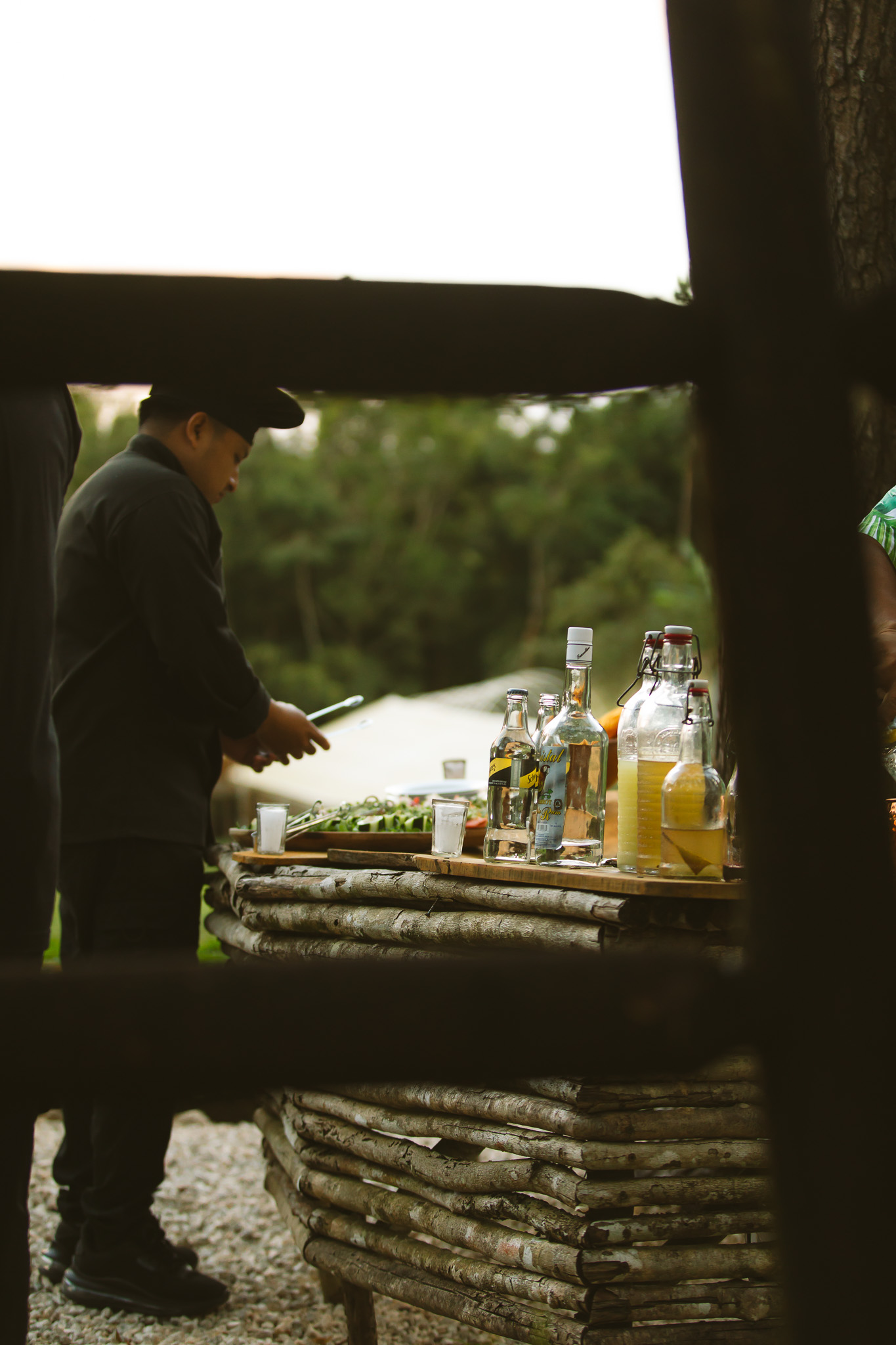
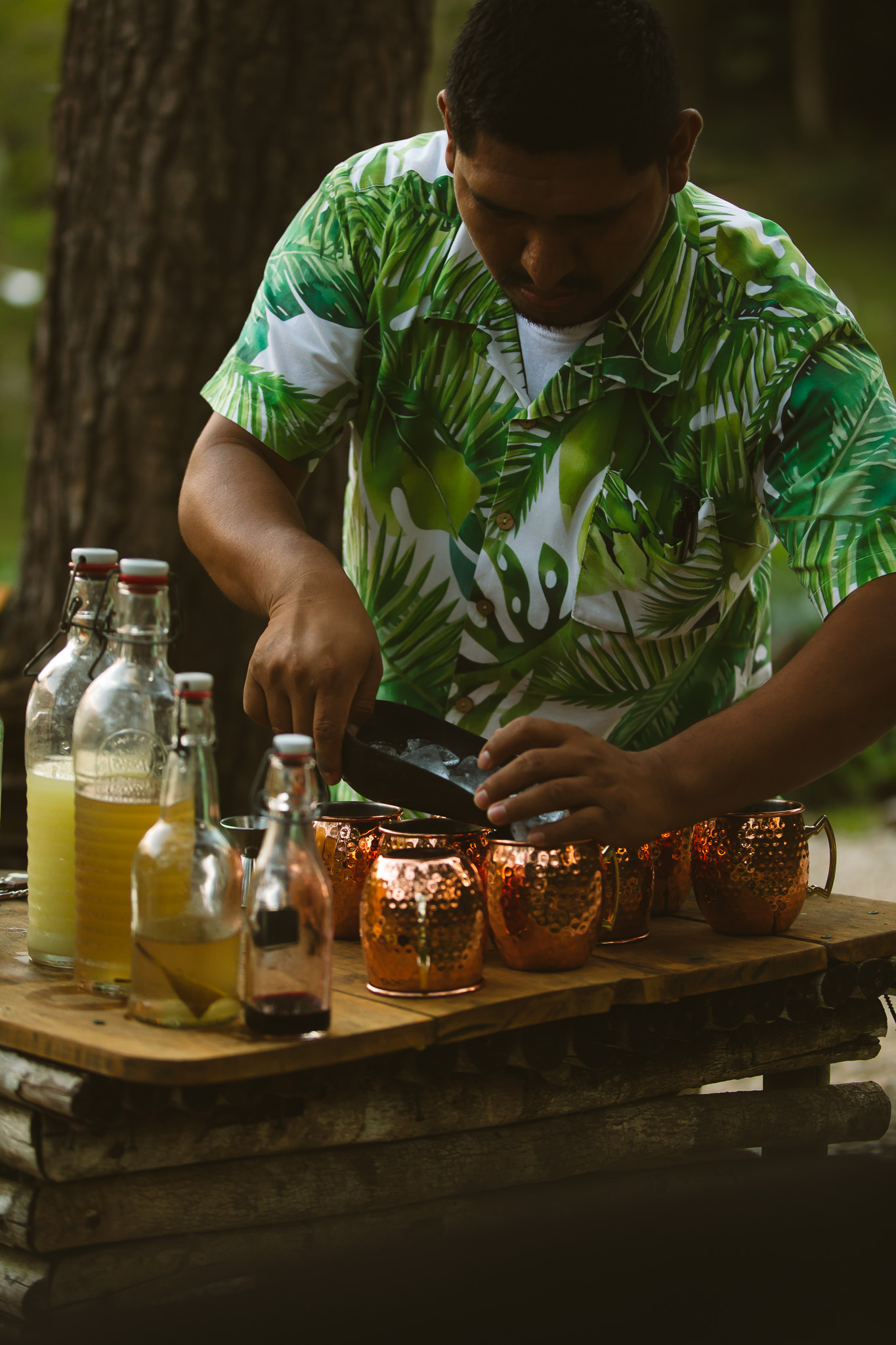
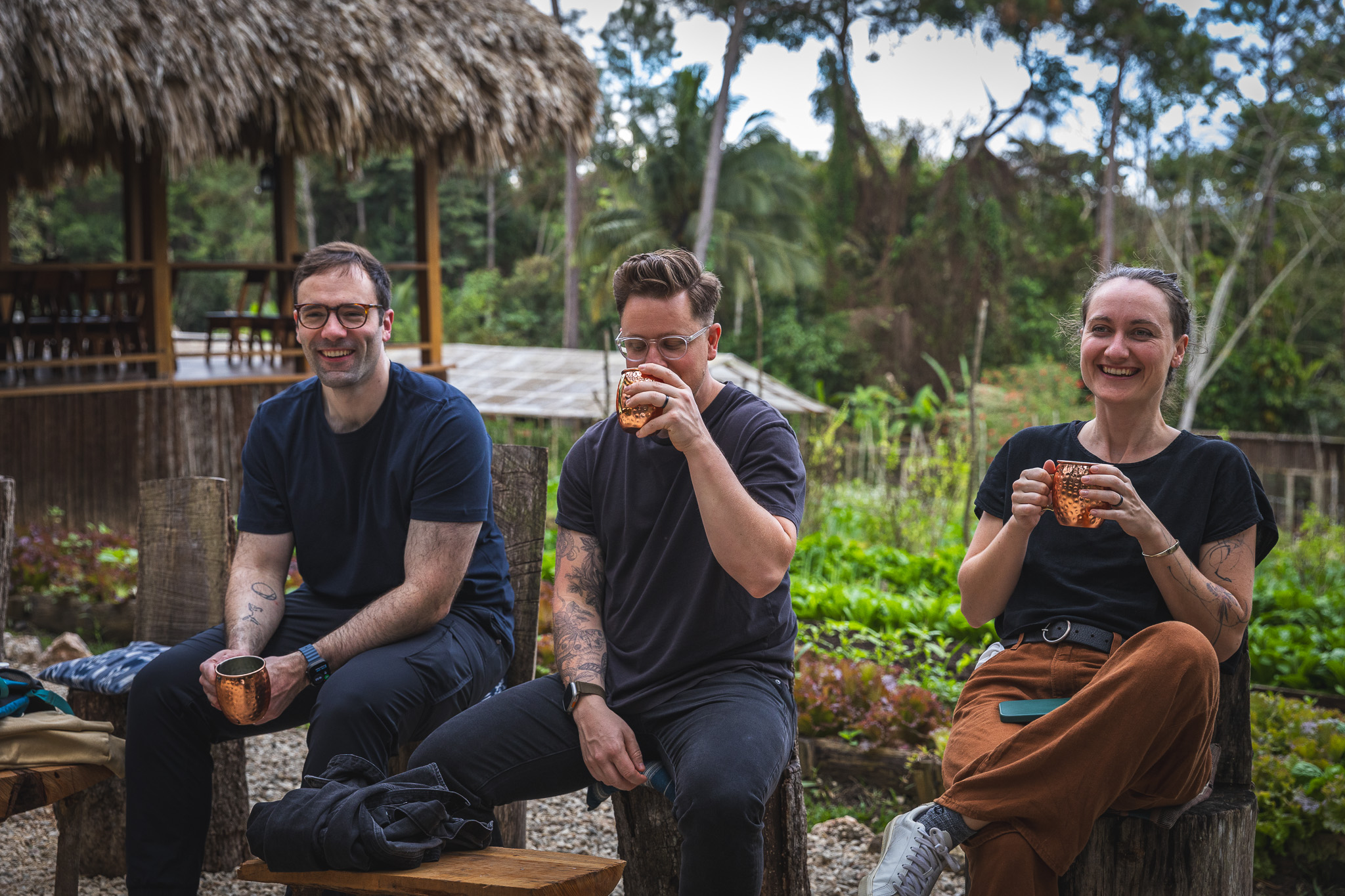
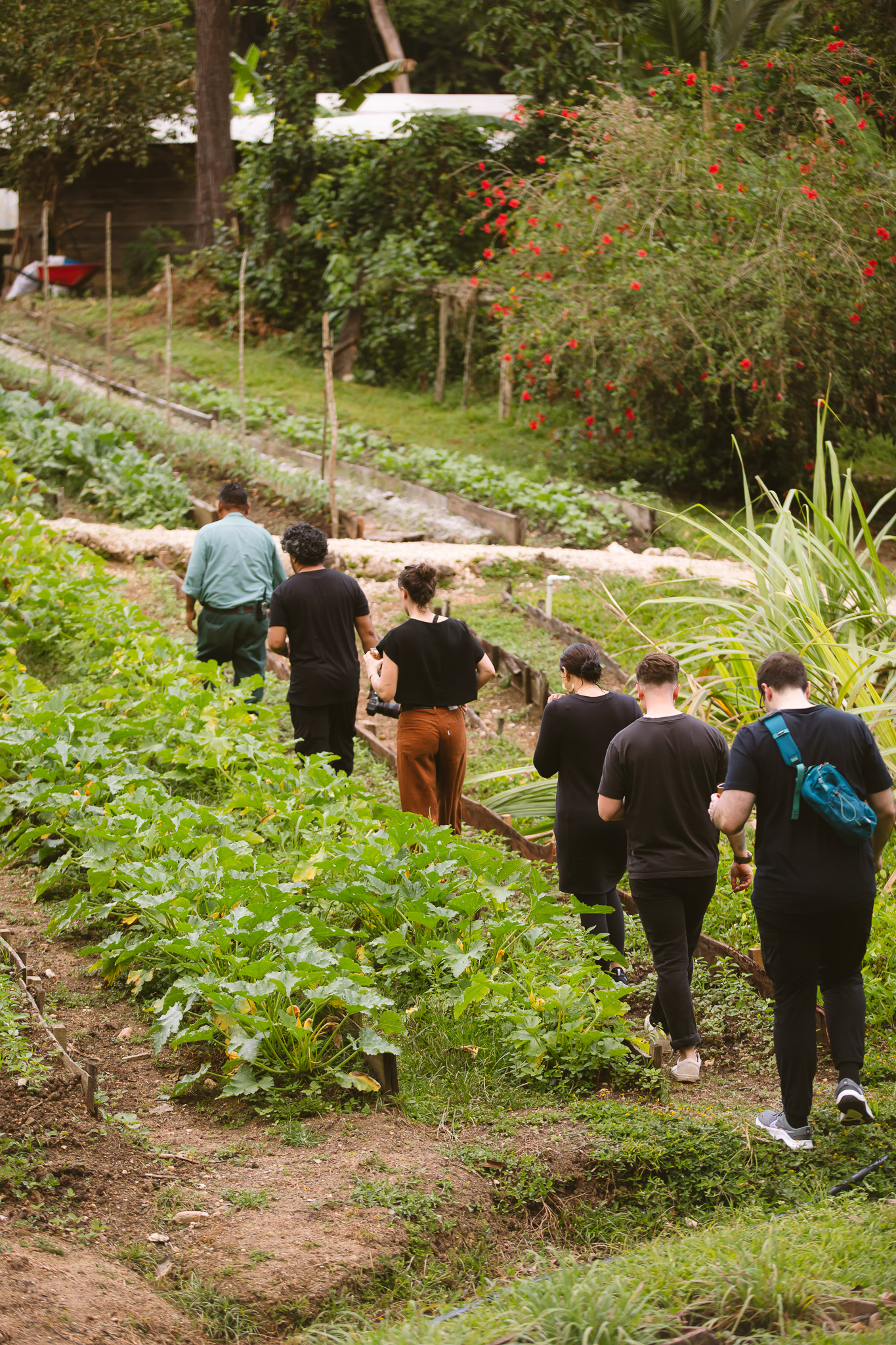
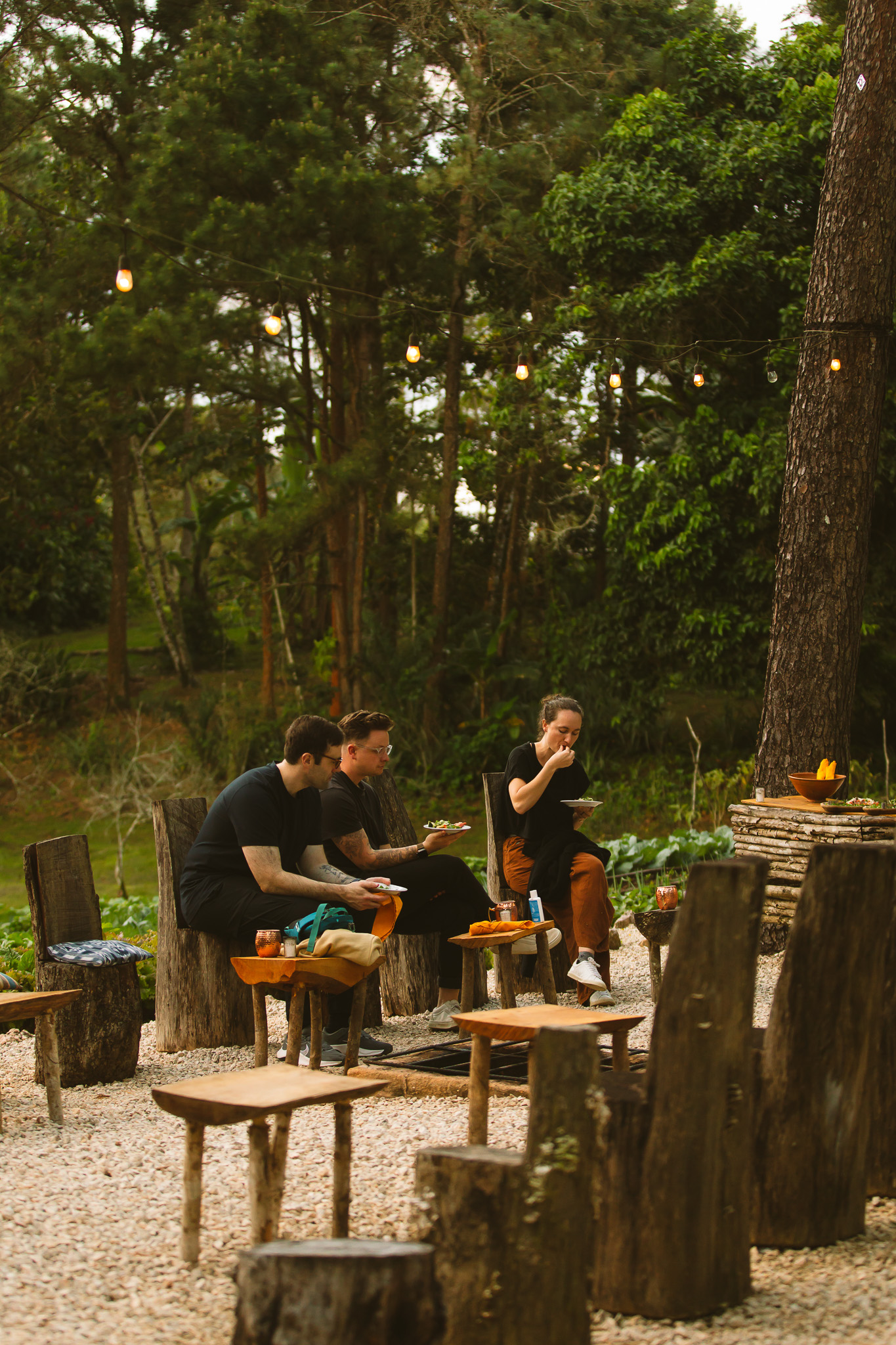
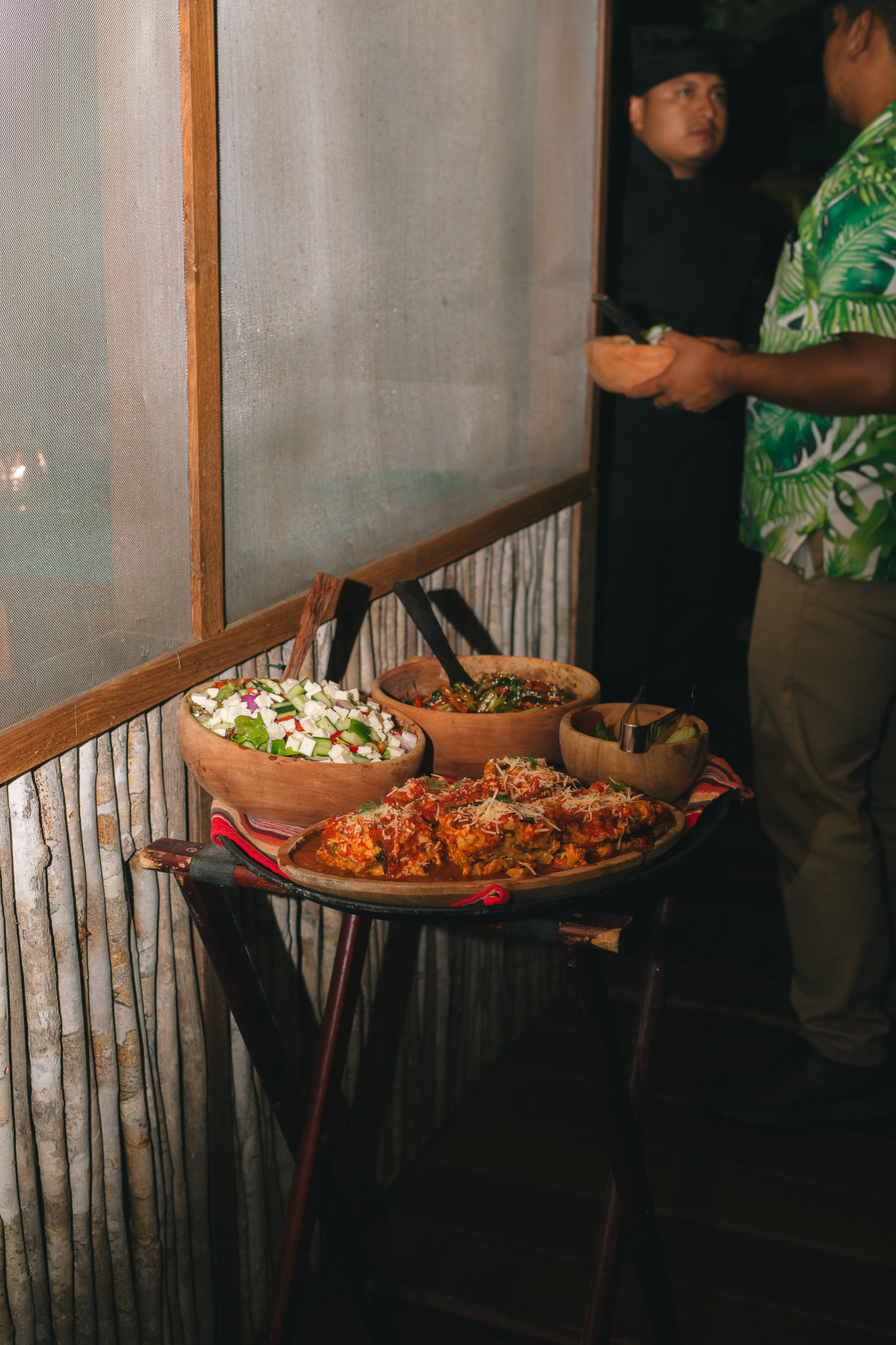
We sat for appetizers on tree stump chairs by a fire pit, then moved inside for the main dinner. The chefs outdid themselves. Our conversation was quieter and broader than the nights before. Real work was settling and everyone could feel it.
The Summit (Day 5: Thursday, February 26)
Everyone was bummed to miss the sunrise bird walk a few days earlier, so I offered to do it myself. I’m not nearly as good as Mark is at spotting birds, but we could certainly walk around and try. We borrowed a few pairs of binoculars from the front desk and set off around the property to see what we could see. Over the next hour, we spotted a lot of different looking birds! The amazing Merlin app helped us identify what birds we were hearing and seeing.
This being my third time going now, I was getting decent at a few bird calls myself. I nailed the Pygmy Owl call well enough that the Merlin app identified my call as that bird. Alas, despite calling for it, we couldn’t find it anywhere.
I was shooting photos of some hummingbirds and woodpeckers in a tree when Mark walked up.
“Doing your own bird walk today?” he inquired.
“Yep!” I said. “We’re giving it a shot!”
“Nice,” he said. “I see you found the owl!”
Wait, what? I looked to see where he was pointing.
Sure enough, exactly 1 foot to the left of where I was shooting, my Pygmy Owl friend was hanging out! I don’t think I would have spotted it myself had Mark not walked up. My bucket list shot!
The last full day of the retreat was hot. It was 85ºF, a perfect day to do what was supposed to be our first day of The Summit: the hike to the waterfall.
I hate hiking, but I’ll do it for a good payoff. I was dripping sweat along the way, though everyone else seemed to be doing fine. Jumping into the cold river sounded refreshing.
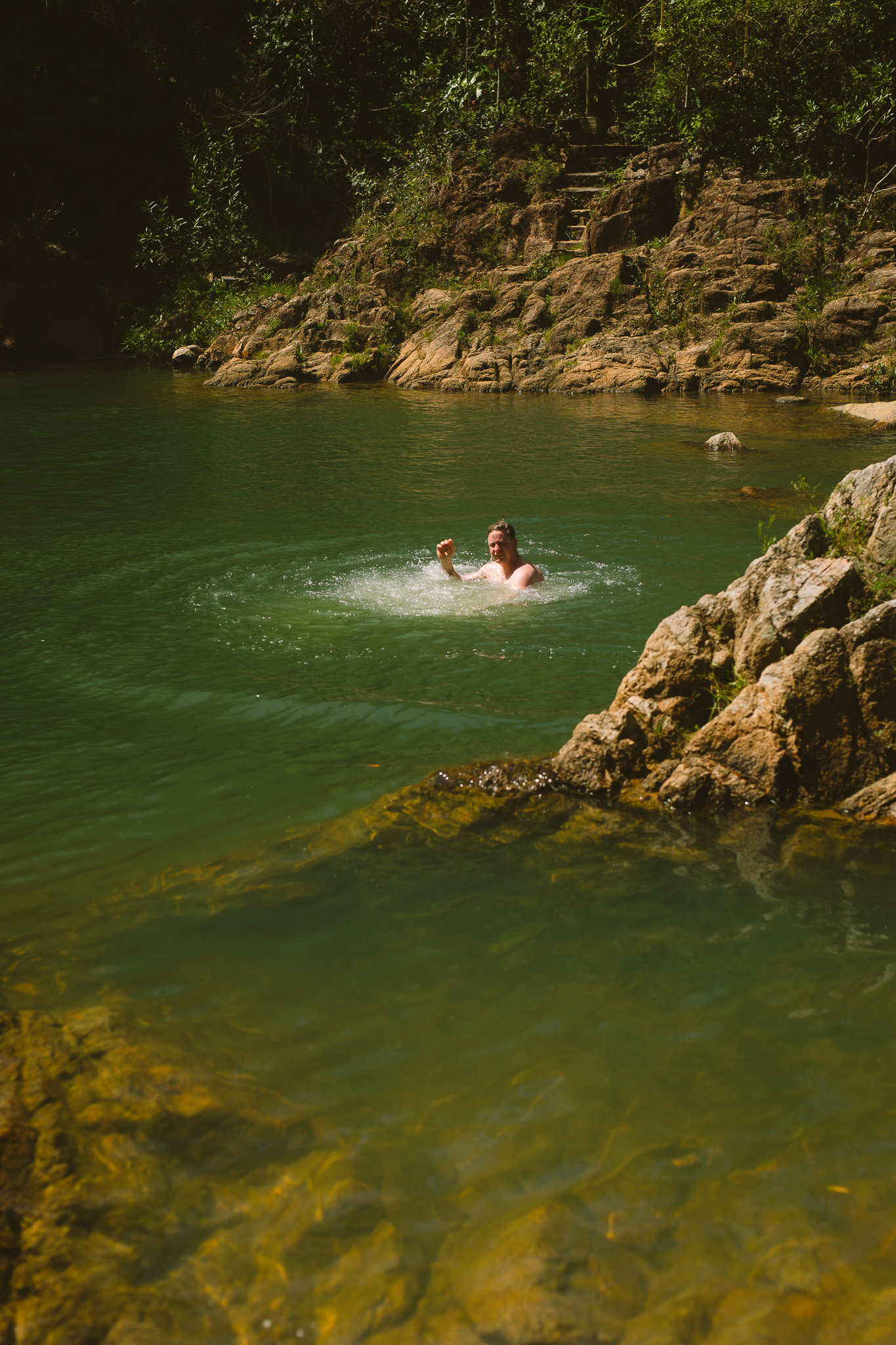
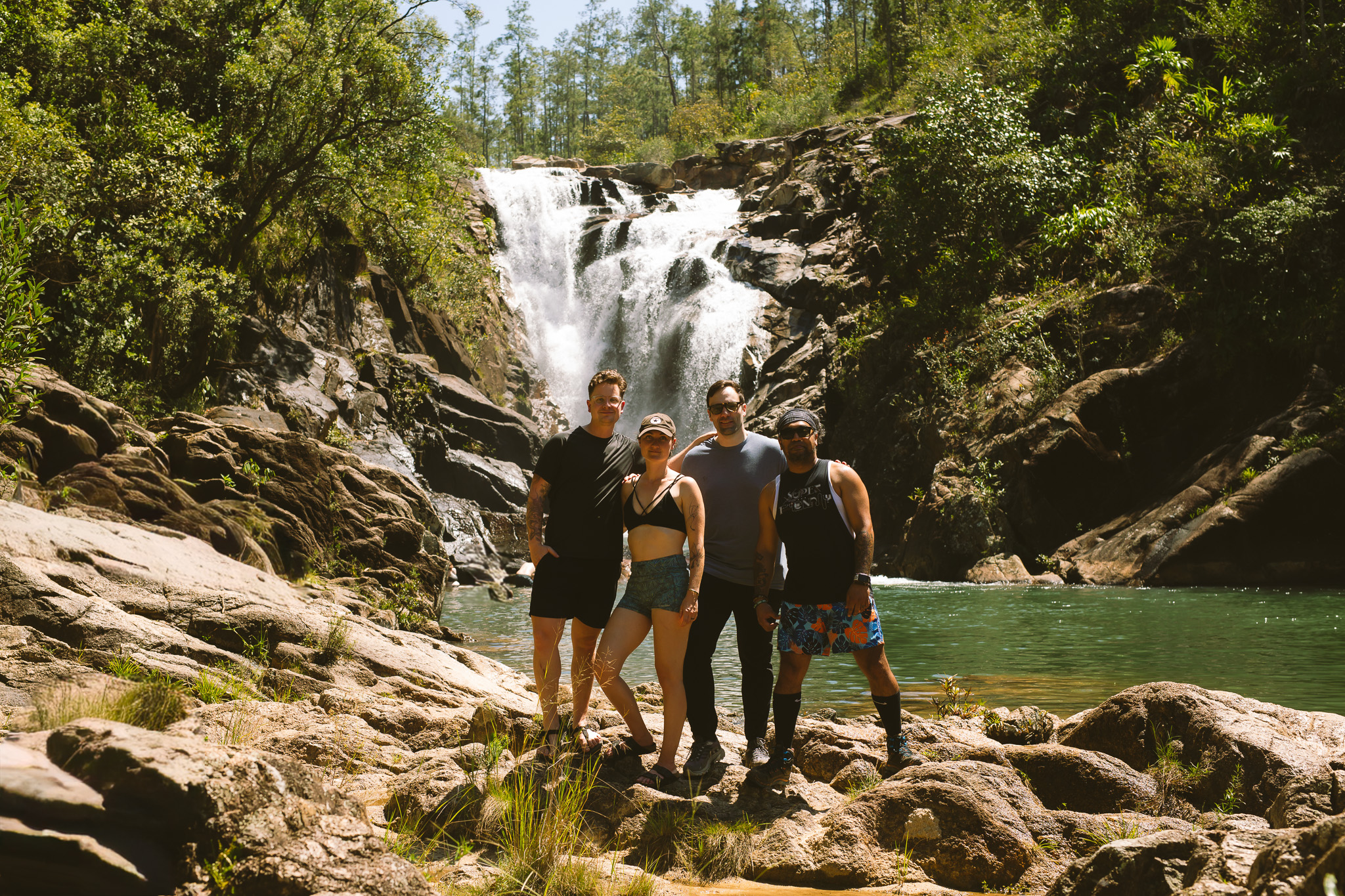
We descended the 177 steps and emerged from the clearing to find a majestic 150-ft. waterfall waiting for us. Some of us found some shade on the rocks while others stripped down to bathing suits for a swim.
A black dog kept bringing sticks to us to play fetch. I’m not much of an animal person, so I threw the stick away so the dog would play with someone else. Big mistake. I realized just after that I was in the game now. We played for about 10 minutes until my dog friend chewed the stick down to shrapnel.
I’m not a strong swimmer, so jumping into a river is still a bit nerve-wracking for me, no matter how inviting it looked on a hot day. I worked up the courage for a few minutes and jumped in. The water was colder than I expected, so I gasped underwater and swallowed a bunch of it. Whoops.
After we had all cooled down a bit, I gathered everyone to do the final structured exercise of the retreat: writing out the story of your agency. I shared a format I used at SuperFriendly to do account planning, mixed with Pixar’s Story Spine. Everyone took out their pens and notebooks to get it all down.
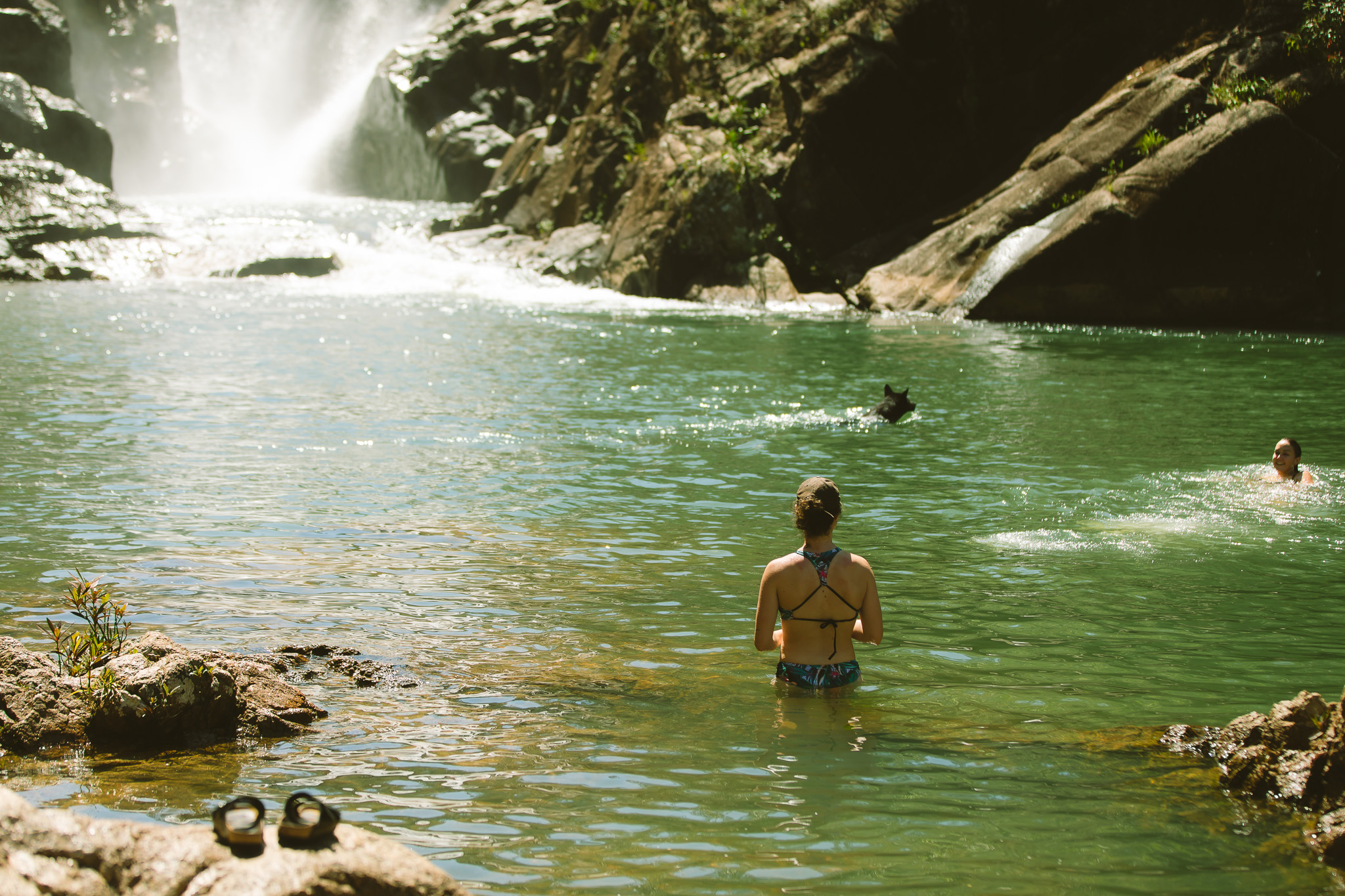
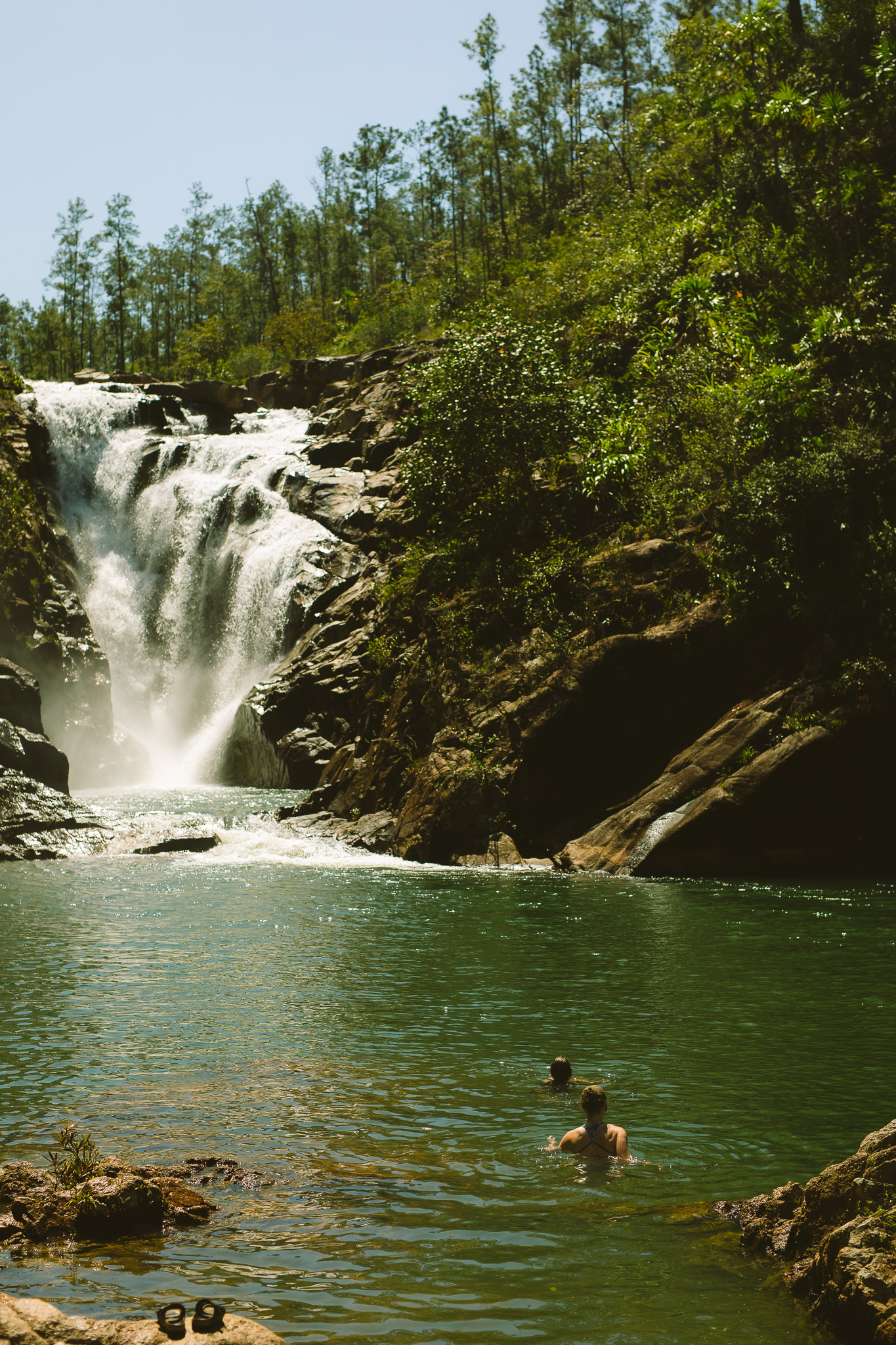
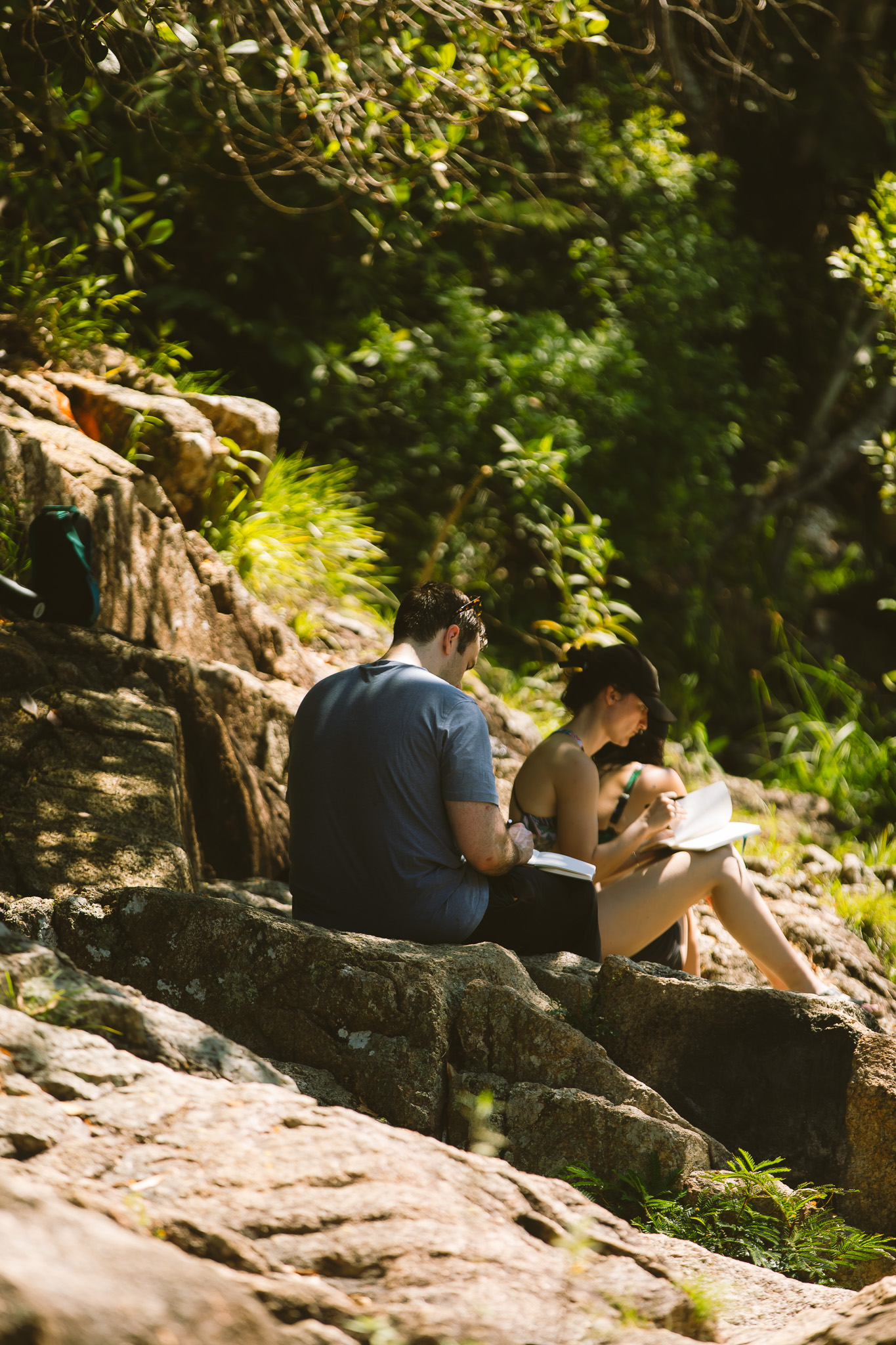
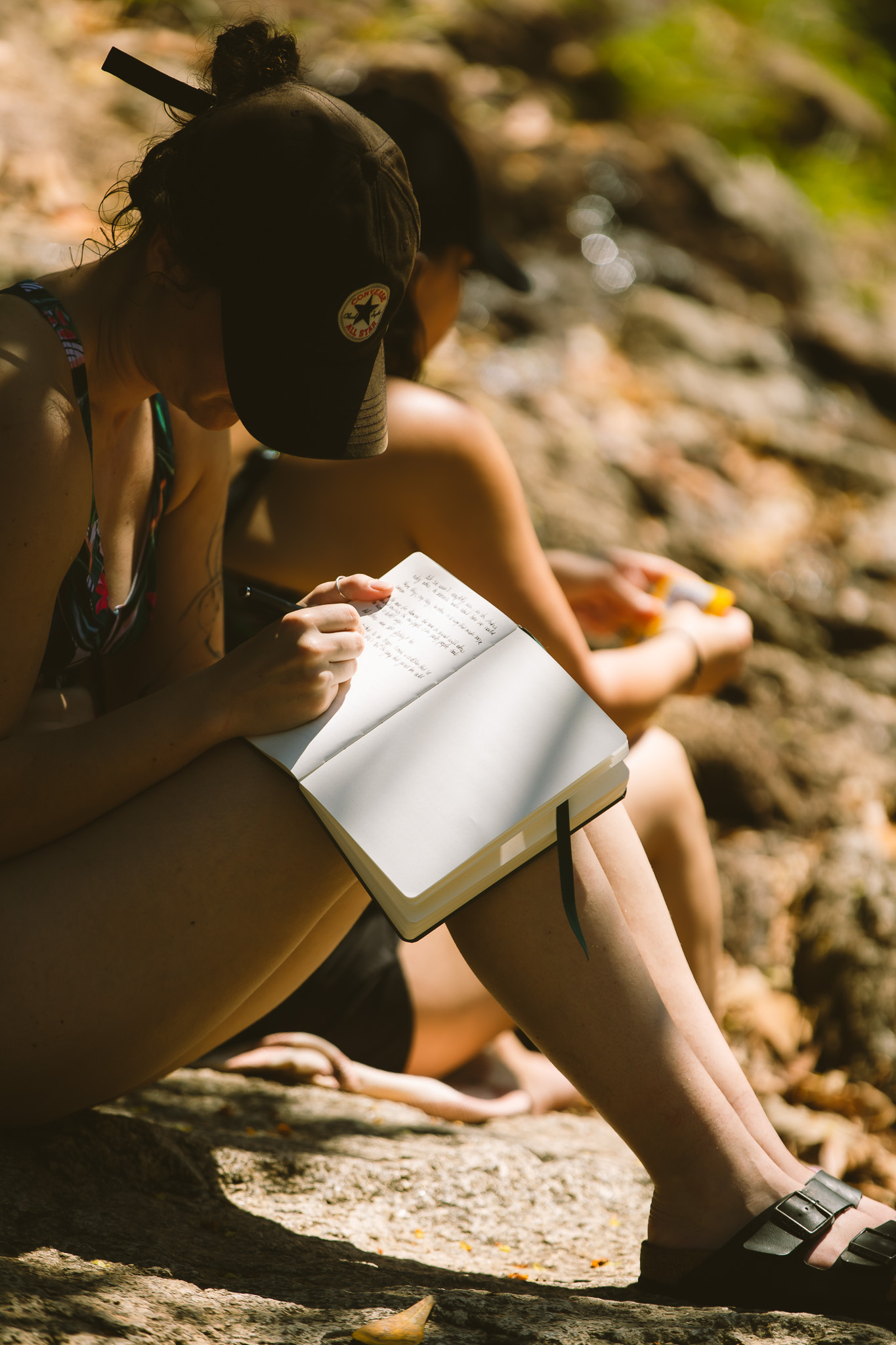
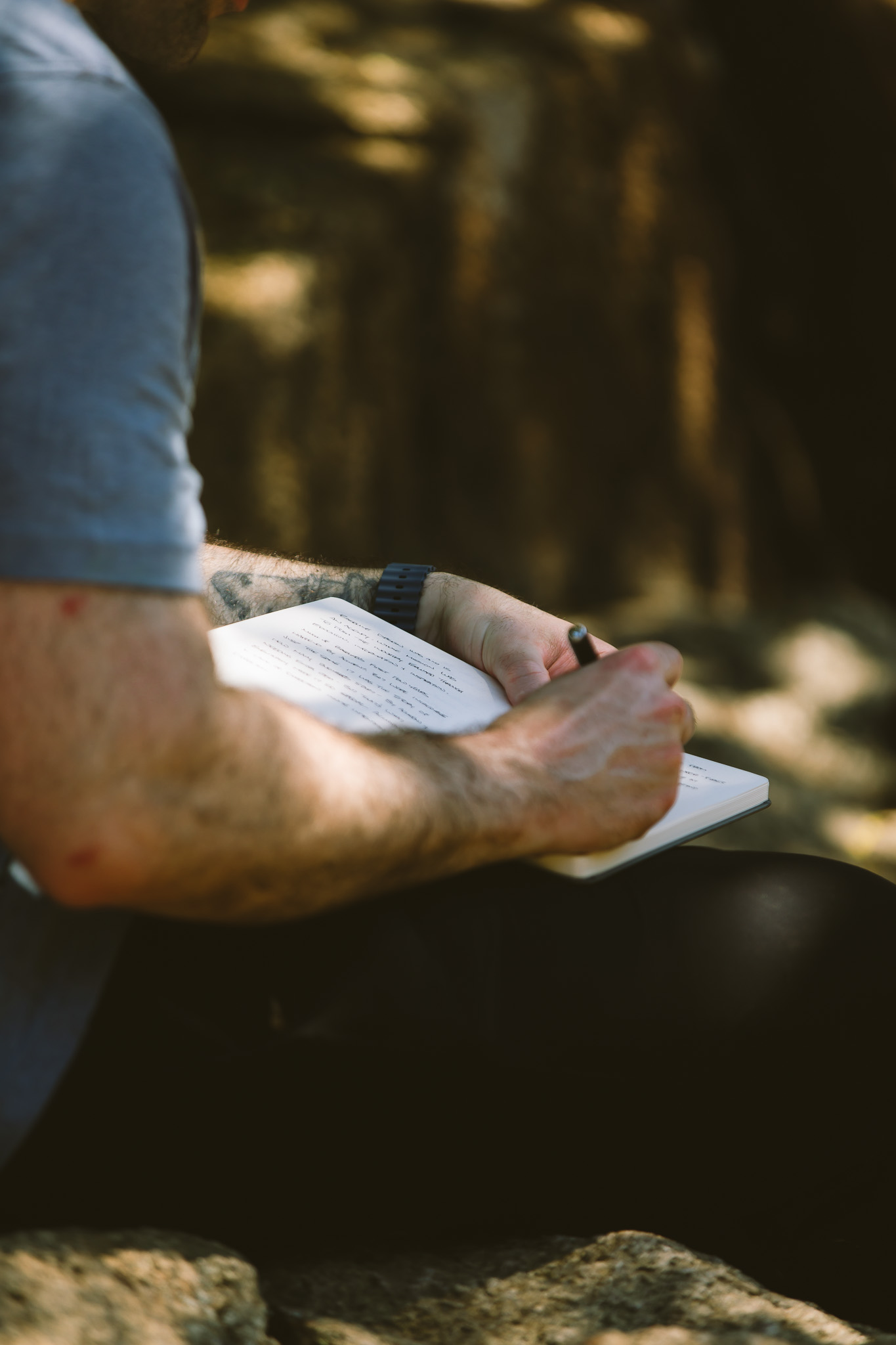
While they wrote, the next luxury slowly materialized. Osmani and his team appeared from the clearing and started to set up a table with food and drinks for us. That’s right: we were having a catered lunch at the waterfall! They made plates for each of us with crackers and various meats and cheeses. We gobbled it up and washed it down with the five bottles of sparkling San Pellegrino they carried down 177 stairs for us to keep us hydrated.
Then the kicker. Osmani said, “Ready for your main courses now?”
We thought the cheese plates were lunch! And we would have all been content with that. But no: Osmani pulled out full size plates, the majority of which were The Joey. We were stuffed, but there was more: dessert! An assortment of fresh fruit with mint was the perfect way to end this treat of a meal.
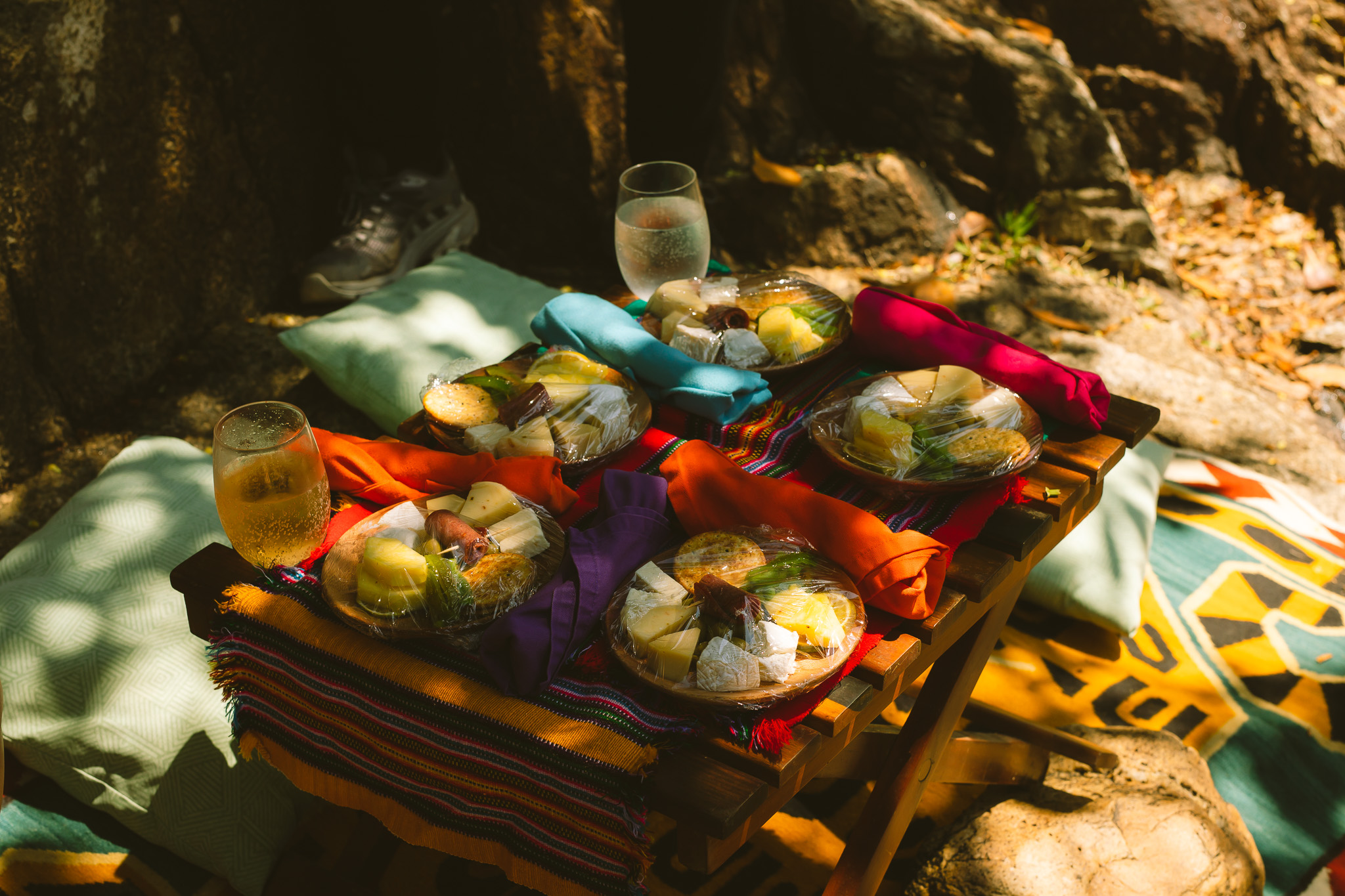
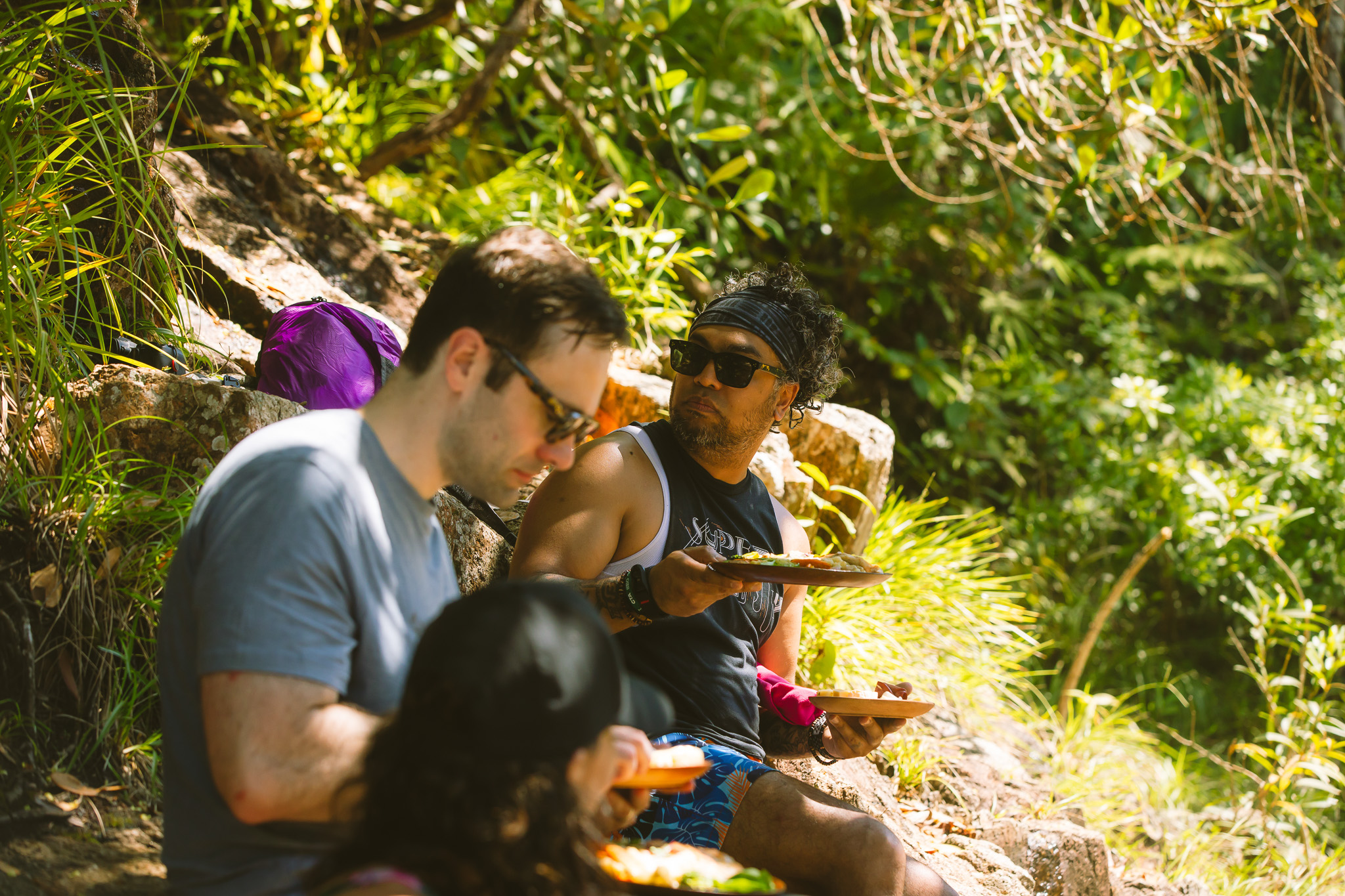
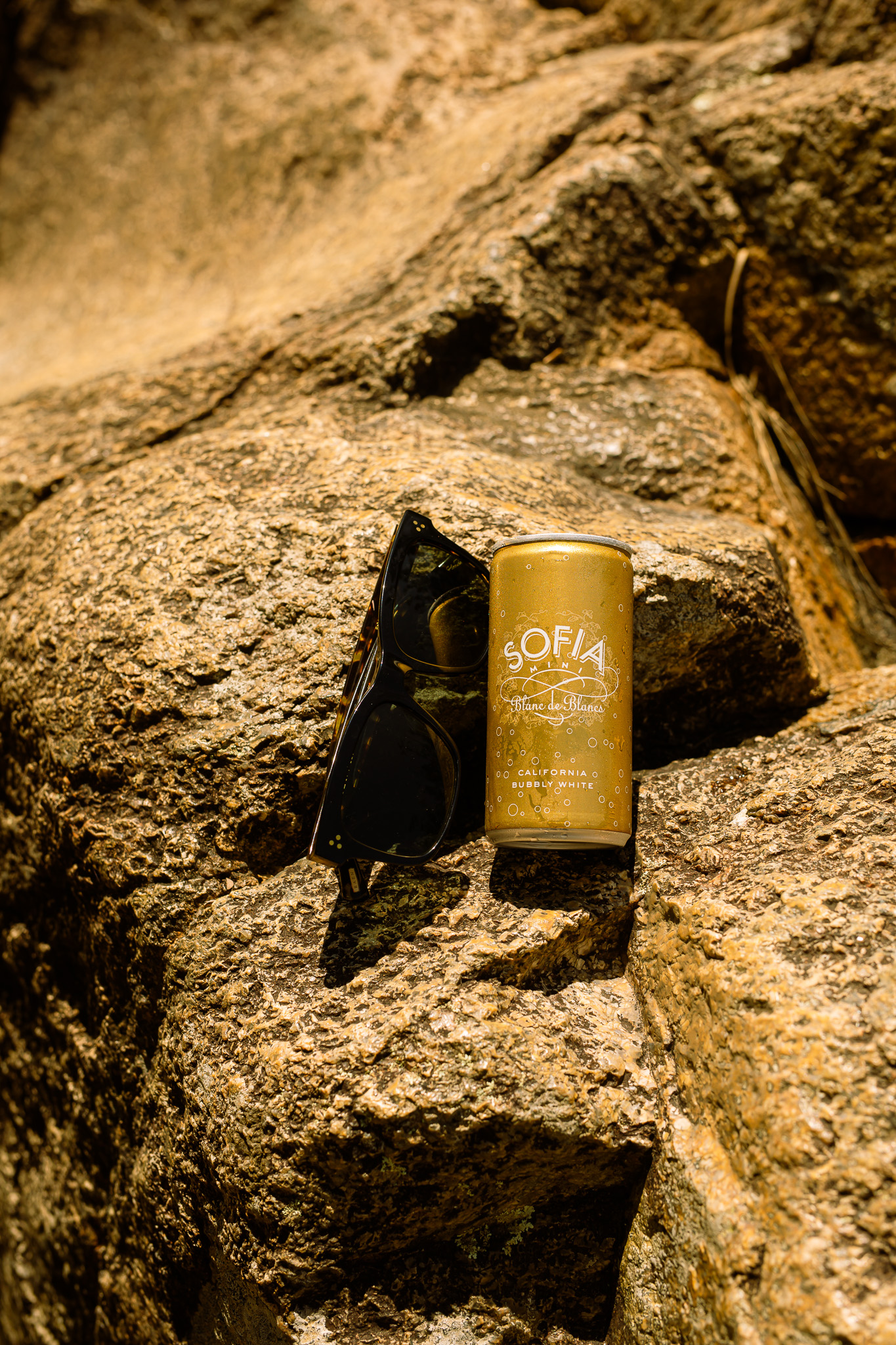
Sufficiently fed and energized from writing, we packed up and got ready to begin the trek back to the lodge. We trudged back up the 177 stairs, helping Osmani and team and sharing some of the load they brought for us. Just at the top of the stairs, we took a different trail path than we took to get there. At the end of the clearing, our chariots awaited: horse and carriage rides back to our rooms!
Upon returning, Joey opted to shower and do some work on his own. The rest of us decided to jump back in the river just next to the villa. It was pretty cold, so we soon moved to the villa plunge pool. We casually talked around a few topics we hadn’t gotten to yet, mostly around leadership. Joey rejoined, and we discussed hiring and firing, delegation, team management and career ladders, employee retention, and full-time vs. contractor considerations, ops systems. We moved into sales and marketing: advanced pricing strategies, qualifying metrics, content marketing approaches, content strategy pillars, and more.
Gabby and Benten wanted some downtime before dinner and to do some work on their own. Joey and I did some more workshopping at our villa’s long table around evolving his agency’s offers to be more reflective of the higher value they could deliver. Gabby came back halfway through that conversation and joined in.
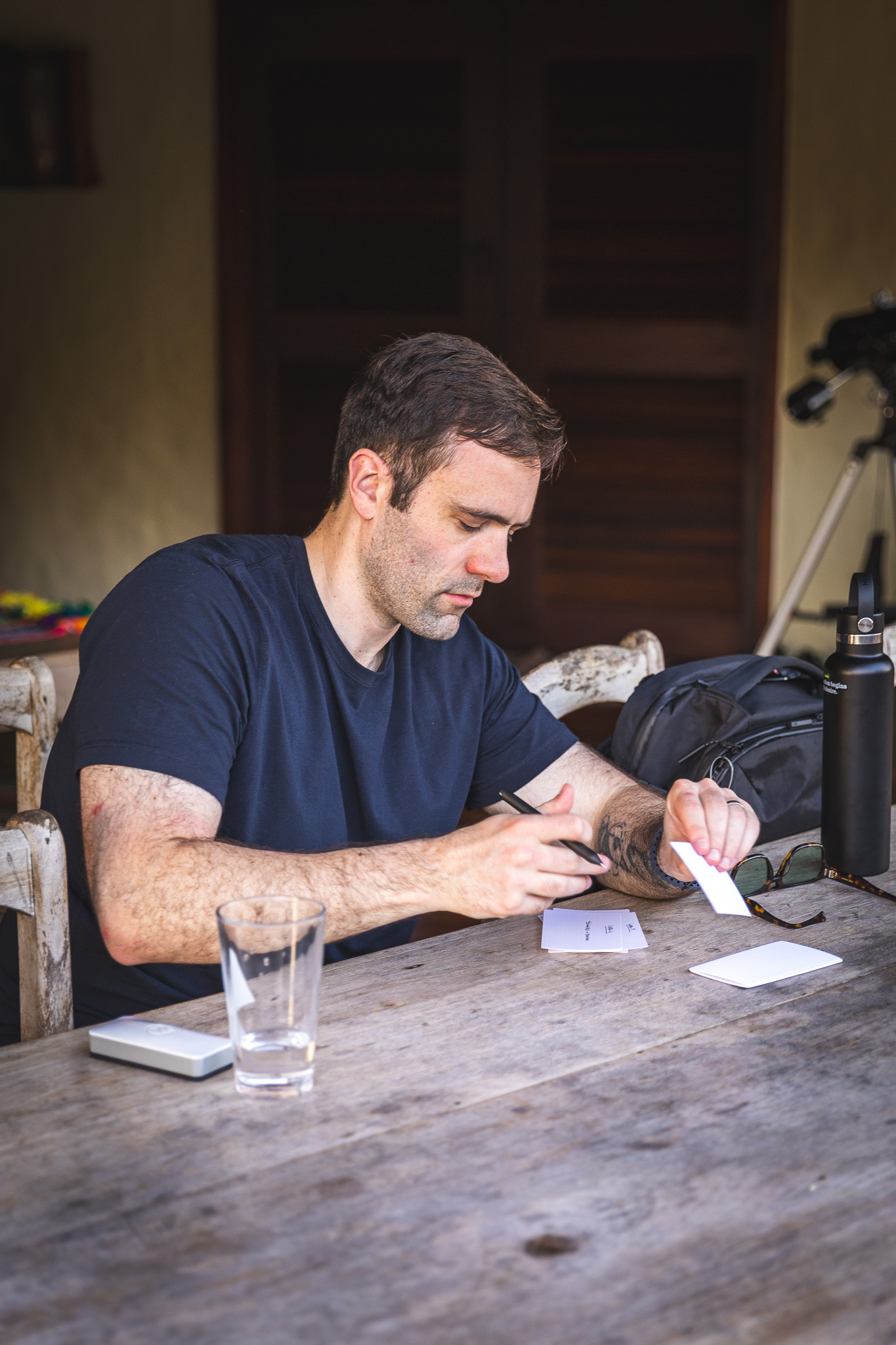
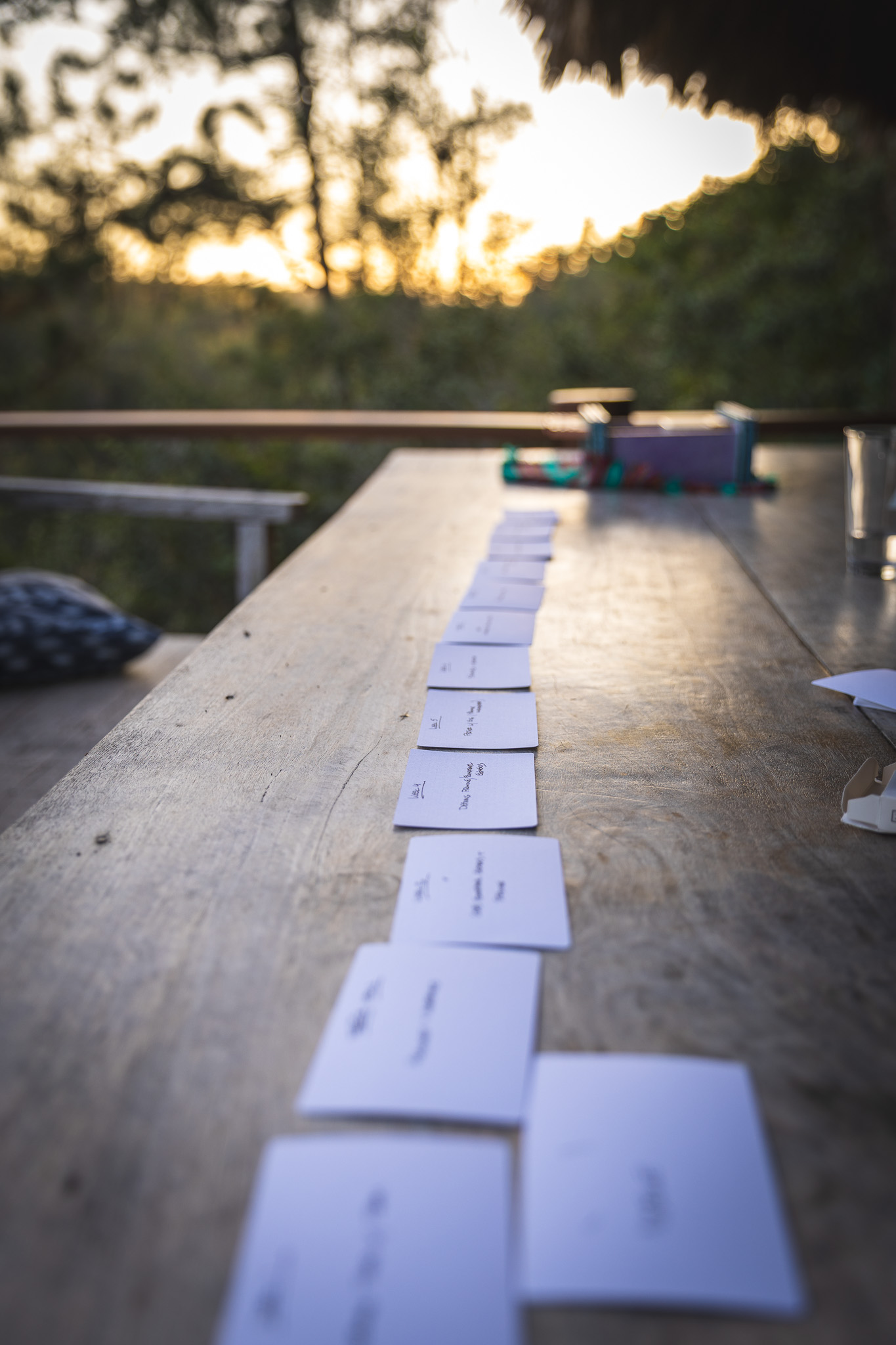
As it started to get dark, we started to prepare for our final dinner of The Summit. Osmani and two chefs started to set up a grill right at our villa balcony. They put out an amazing spread of three different salads, grilled vegetables, chicken, steak, and lobster, each with their own accompanying sauces.
To finish it all off, the chefs made not one but two cakes (one gluten-free) to celebrate our time there!
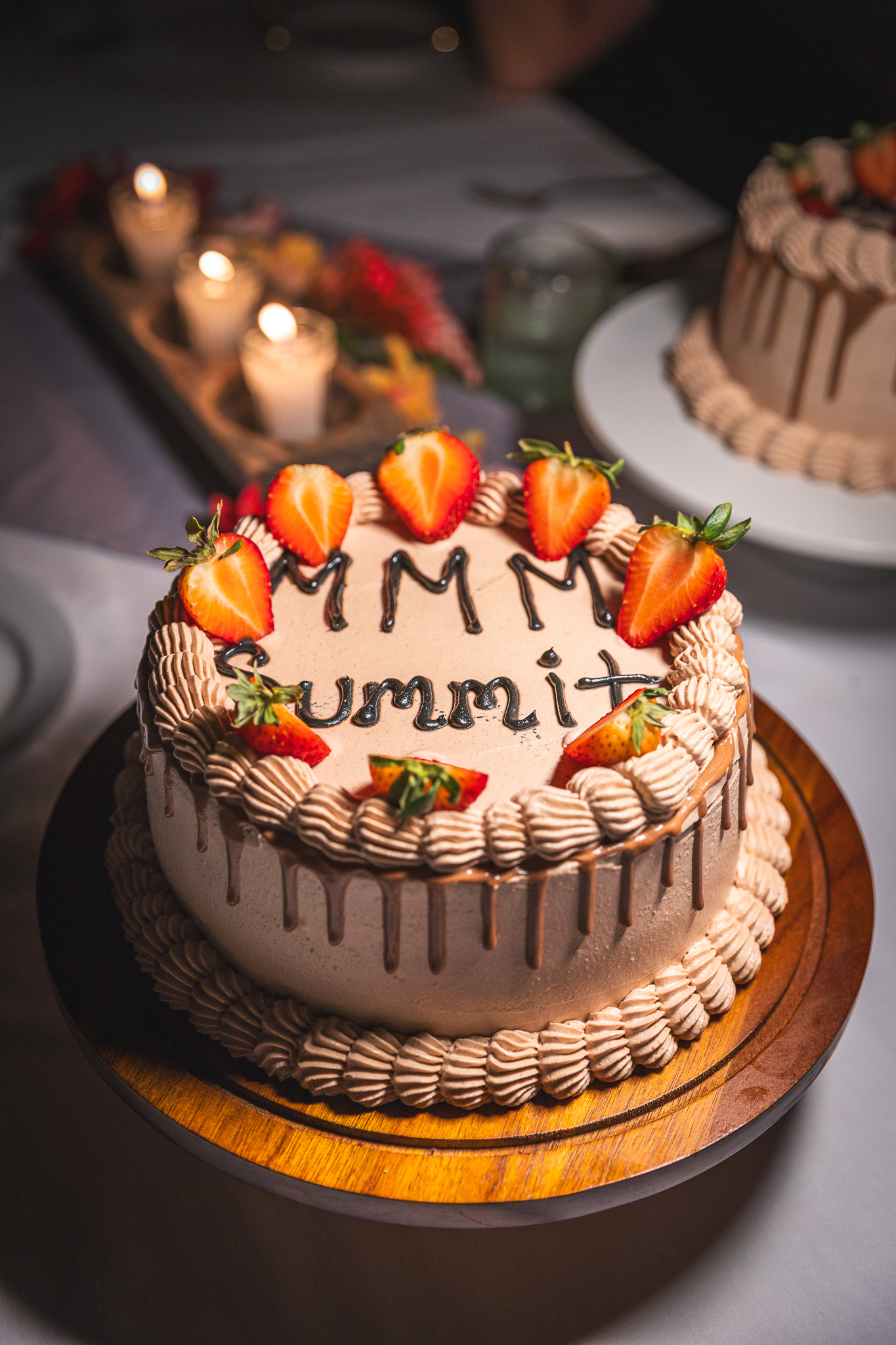
It was time for our last ritual to close it down: for each person to read aloud the vision of their agency that they had written, rewritten, and evolved over the last few days. Someone suggested an improvisation over dinner: not only would they write and read the vision for their agency, but each person would write and read a vision for the other attendees. After all, spending this much time together workshopping, they clearly had enough context—and objectivity—to share some valuable perspectives on each others’ trajectories. I loved the idea!
As they all read their stories for themselves and for each other, it was hard for me to not get choked up. It was very apparent how much thought, love, care, and hope was poured into this by everyone.
To close it all out, I gave each of them a small Belizean trinket I picked up at the San Ignacio Market, a symbol and a reminder that “people like them do things like this,” that they’re a special cohort, and they can always lean on each other—and me—to help bring these ridiculous notions to life.
I went to bed with a full heart that night, and I hope they did too.
The Descent (Day 6: Friday, February 27)
Gabby’s flight left early the next morning, so I didn’t see her before she had to head to the airport.
Benten, Joey, Em, and I all had breakfast and headed to the airport together. We packed our stuff into the van, thanked Osmani profusely for making the week so special, and drove off.
At the airport, Benten hopped immediately into the long security line as his flight left soon. Joey, Em, and I were on the same flight, so we grabbed a few snacks and waited together. At the connecting airport when we landed, we shared a final Tex-Mex meal—a far cry from the delicious, clean food we’d been eating all week—before flying back to our respective cities.
The Aftermath
I’d hoped the retreat would be a catalyst. I’d hoped they’d leave energized and clear-headed. What I didn’t expect was the speed.
Within 48 hours of landing, all three had posted detailed CEO-level weekly plans in our Belize Slack channel. Joey already had meetings scheduled to hire a few new folks for his team. Gabby cold-emailed a contact to set up the first of some new strategic partnerships.
Within a week, Benten had conducted vision planning sessions with his entire team. Joey launched a new product. Gabby ramped up content marketing.
Within two weeks, Benten stopped doing all design work and handed it off to his team completely. Joey was evangelizing the new vision for Baseline wherever and whenever he could.
Within a month, a dream client showed up in Joey’s inbox. Gabby was presenting to her clients’ VPs from seeds she’d planted. Benten was deep in research with high-profile interviews for his new initiative.
Within five weeks, Joey had his best week ever at Baseline, both financially and in terms of his own energy. All three had hired or started planning to hire executive assistants. All three dialed up marketing to a level that inspired me to dial up mine. And—my favorite part—the three of them started doing biweekly calls together on their own, a peer cohort that nobody asked them to form.
I can’t take credit for any of that. They did the work. But I can tell you what I gave them.
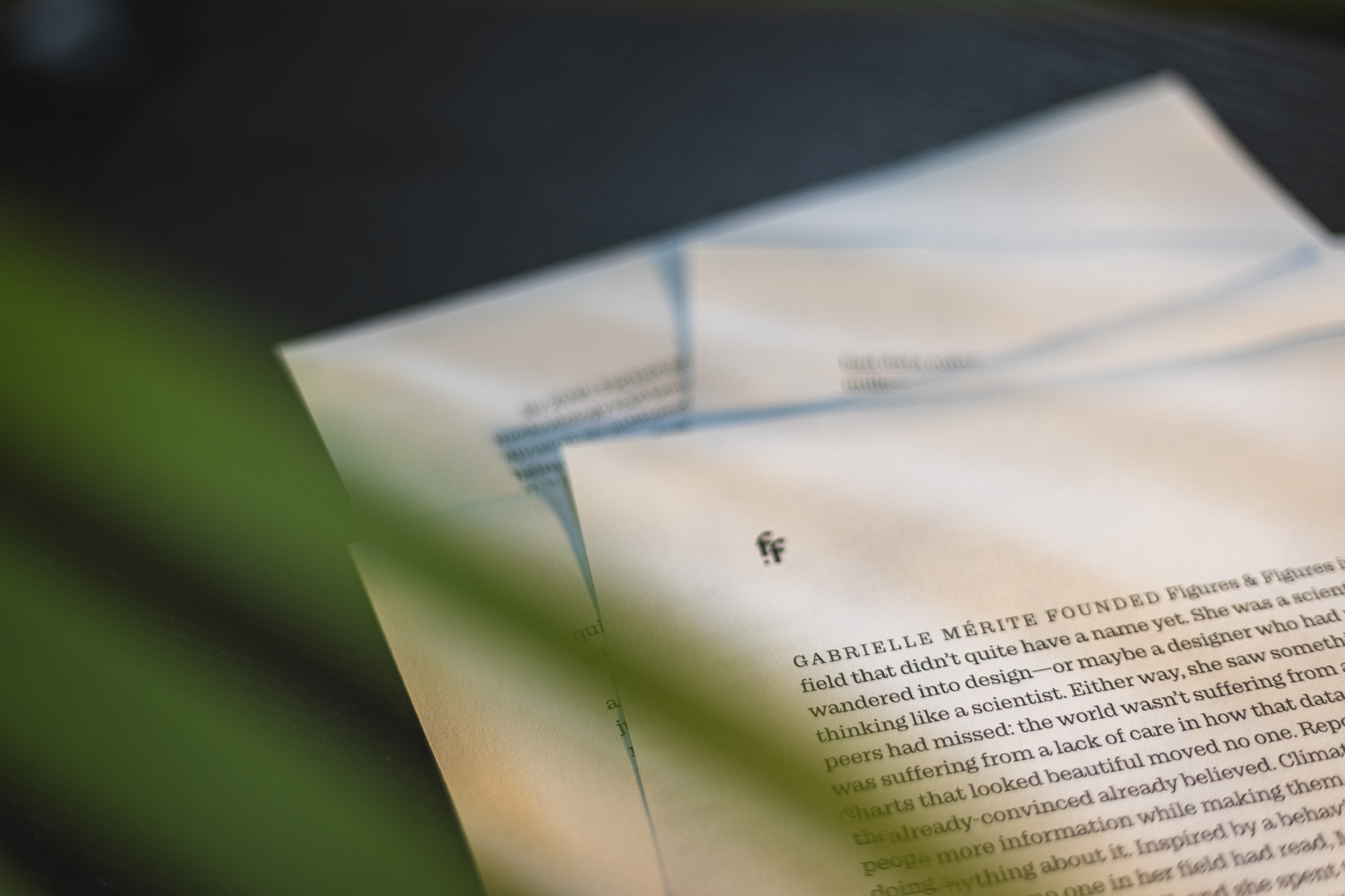
After they left, I spent a week writing my own version of a vision story for each of them, personalized narratives projecting 20–50 years into the future for their businesses. My note to them: “I’m sure I got a lot of the details wrong. Please use this as a draft you can edit. My intention was to give you a starting point that you can sharpen.”
Their reactions:
Joey: “Printing this out and reading/updating it weekly.”
Benten: “This is insanely beautiful. This is going on my wall.”
Gabby replied with two words and a heart emoji about a detail I included in her story. Maybe she’ll share that someday.
Coppola built Blancaneaux because he needed a place to write what was already in his head. I brought three agency owners there for the same reason. Their visions were already inside them. Gabby didn’t need me to invent her mission. Benten didn’t need me to tell him what mattered. Joey didn’t need me to hand him a strategy. They needed a place with no screens, no distractions, no exit, and a process designed to surface what they’d been carrying around but couldn’t see clearly from behind their desks.
I just picked the location for next year’s Summit.
Read Next
The Agency Pricing Playbook
Join 66,800+ subscribers to the weekly Dan Mall Teaches newsletter. I promise to keep my communication light and valuable!